Եթե ունեք ավտոմատ լոգարանների կարման մեքենա, ապա դա կօգնի ձեզ ավելի լավ գումար վաստակել տեքստիլ եւ մեկ անգամ օգտագործվող ապրանքների արդյունաբերության մեջ ՝ արտադրության արդյունավետությունը մեծացնելով եւ նոր գաղափարներ մշակելով: Նեղանների արտադրությունը տեքստիլ արտադրողների հիմնական ուշադրության կենտրոնում է, քանի որ նեղանները կարեւոր դեր են խաղում առօրյա կյանքում, հյուրընկալության եւ սննդի մեջ:
Պատմականորեն, թաց թաց թաց թաց թաց թաց թաց թաց թաց թաց թաց թաց թաց թաց թաց թաց թաց թաց թաց թաց թաց թաց թաց թաց թաց թաց թաց թաց թաց թաց թաց թաց թաց թաց թաց թաց թ
Ինքնաշխատ սեղանի սրբիչների կարման մեքենայի օգտագործումը ձեզ ավելի շահավետ դարձնելու մեկ եղանակն է արտադրության արդյունավետության բարձրացումն է: Ամբողջությամբ ինքնաշխատ մեքենաները նախագծված են մի շարք գործառույթներ կատարելու համար՝ նվազագույն մարդկային միջամտությամբ, ի տարբերություն կիսաինքնաշխատ կամ ձեռքով կառավարվող մեքենաների, որոնք կարող են կատարել նույն գործառույթները: Ինքնաշխատ մեքենաները կարող են կատարել առաջադրանքները մի քանի վայրկյանում, ներառյալ սրբիչների կտրումը, ծալումը և կարումը: Սա ակնհայտ է դառնում, երբ հաշվի են առնվում հետևյալ փաստերը. մեկ օպերատորը կարող է կառավարել ինքնաշխատ մեքենան և ամենօրյա արտադրել հազարավոր սրբիչներ, մինչդեռ ձեռքով կառավարվող մեքենաներով աշխատող աշխատակիցների թիմը ամենօրյա արտադրում է զգալիորեն ավելի քիչ սրբիչներ:
Սա նշանակում է, որ դուք կարող եք մեծացնել արտադրական հզորությունը՝ առանց աշխատավարձի ծախսերի մեծացման: Արտադրական հզորության մեծացումը նշանակում է ավելի բարձր ներուժային եկամուտներ այն ձեռնարկությունների համար, որոնք մեծ քանակությամբ սեղանի սրբիչներ են արտադրում հյուրանոցների, ռեստորանների, միջոցառումների կազմակերպիչների և սննդի մատակարարների համար: Բացի այդ, սեղանի սրբիչների կարման օգտագործելով ավտոմատացված սեղանի սրբիչների կարման մեքենաներ, սեղանի սրբիչների արտադրողները նվազեցնում են այն ռիսկը, որ սեղանի սրբիչները չեն համապատասխանում իրենց սահմանված պահանջներին՝ մարդկային սխալների պատճառով, ինչը հանգեցնում է նյութերի վատնման և շահույթի կորստի: Ավտոմատացված սեղանի սրբիչների կարման մեքենայով ստեղծված յուրաքանչյուր սեղանի սրբիչ համապատասխանում է միասնական որակի ստանդարտներին, այդպիսով ապահովելով սեղանի սրբիչների արտադրության հիասքանչ համատեղելիություն, ինչպես նաև նյութերի վատնման նվազագույնացում և ելքի մաքսիմալացում:
Շատ դեպքերում արտադրական միջավայրերում աշխատավարձը սովորաբար ամենամեծ ծախսերից մեկն է: Հետևաբար, եթե ձեր ձեռնարկությունը ներդրում է կատարում ավտոմատ սեղանի սրբիչների կարման մեքենայում, կարող եք սպասել, որ ձեր աշխատավարձի պահանջները կնվազեն գնահատելի չափով, քանի որ կկարողանաք նվազեցնել սրբիչների արտադրության համար անհրաժեշտ ձեռքով աշխատողների թիվը: Ընդհանուր առմամբ, սովորական ձեռքով սրբիչների հավաքման գծում կարող են աշխատել երկու կամ մի քանի աշխատակից, ովքեր կատարում են մեկնաբանված աշխատանքներ, որոնք շատ ժամանակ են պահանջում և ֆիզիկապես ծանր են: Սա ձեր ձեռնարկության վրա լրացուցիչ ծախսեր է դնում աշխատավարձի վճարման համար և նաև ստեղծում է հնարավորություն, որ եթե ձեր ձեռքով աշխատողներից որևէ մեկը հիվանդանա, լքի աշխատանքը կամ աշխատանքում անբավարարված լինի (այսինքն՝ աշխատակիցների շրջանառություն), ապա ձեր կողմից կառաջանան լրացուցիչ ծախսեր հոգնածության պատճառով առաջացած սխալների համար:
Ավտոմատ մեքենայի օգնությամբ մեկ օպերատորը կարող է հսկել արտադրական գործընթացը և ապահովել հաստատուն որակ, ինչը թույլ է տալիս նվազեցնել անհրաժեշտ աշխատակիցների թիվը՝ հետևաբար նվազեցնելով աշխատավարձի ծախսերը, ինչպես նաև առնչվող ծախսերը, օրինակ՝ սոցիալական ապահովագրությունը և ապահովագրավճարները: Շատ դեպքերում ձեռնարկությունները կարողացել են վերականգնել ավտոմատ մեքենայի սկզբնական ներդրումը միայն մի քանի ամսվա ընթացքում՝ շնորհիվ արտադրական աշխատավարձի խնայողությունների: Բացի աշխատավարձի ծախսերի նվազեցման համար ստացված տնտեսական շահույթից, արտադրական հրապարակում աշխատող աշխատակիցների թվի նվազեցումը նաև նվազեցնում է աշխատակիցների վերապատրաստման, վերահսկման և կառավարման հետ կապված ընդհանուր ծախսերը, ինչը վերջնականապես ավելացնում է ձեր շահույթը:
Ձեր բիզնեսի շահավետությունը մաքսիմալացնելու մեկ այլ եղանակն է առաջարկվող ապրանքների դիվերսիֆիկացիան: Ավտոմատ սեղանի սրբիչների կարման մեքենաները սարքավորված են հնարավորություններով, որոնք թույլ են տալիս արտադրել տարբեր չափսերի, գույների, նյութերի և դիզայնների սրբիչներ: Նրա բազմաֆունկցիոնալության շնորհիվ ձեր բիզնեսը կարող է մշակել տարբեր ապրանքներ, որպեսզի գրավի տարբեր տիպի սպառողների կամ շուկաների: Բարձրորակ սրբիչները՝ դեկորատիվ կարերով կամ լոգոտիպներով, հարկավոր են caucasian համաշխարհային հյուրանոցների և բարձրակարգ ռեստորանների կողմից, իսկ կազմակերպված ռեստորանները և արագ սննդի ռեստորանները ցանկանում են պատվիրել մեծ քանակությամբ պարզ, ֆունկցիոնալ սրբիչներ, որոնք ունեն ստանդարտ չափսեր:
Ավտոմատ մեքենայի օգտագործմամբ ընկերությունները կարող են արտադրել երկու տեսակի ապրանքներ՝ առանց յուրաքանչյուր ապրանքի համար առանձին արտադրական գծեր ունենալու: Սա բիզնեսի համար հնարավորություն է ստեղծում ավելի լավ շահույթ ստանալու համար՝ ստեղծելով հատուկ ճակատագրված կամ դիզայներային սրբիչներ, որոնք ավելի թանկ են, քան ցածր որակի մեկանգամյա սրբիչները:
Սեզոնային կամ միջոցառումներին հատուկ սեղանի սրբիչներ՝ օրինակ՝ տոնական սրբիչներ կամ կորպորատիվ միջոցառումների համար բրենդավորված սրբիչներ, նույնպես կարող են արագ և էժան արտադրվել՝ ձեր ձեռնարկությանը տալով ճկունություն՝ շահարկելու շուկայում առաջացող նոր հնարավորությունները, ձեռք բերելու նիշային սպառողներ և ստեղծելու մրցակցային առավելություն՝ բոլոր դա նպաստում է վաճառքների աճին։
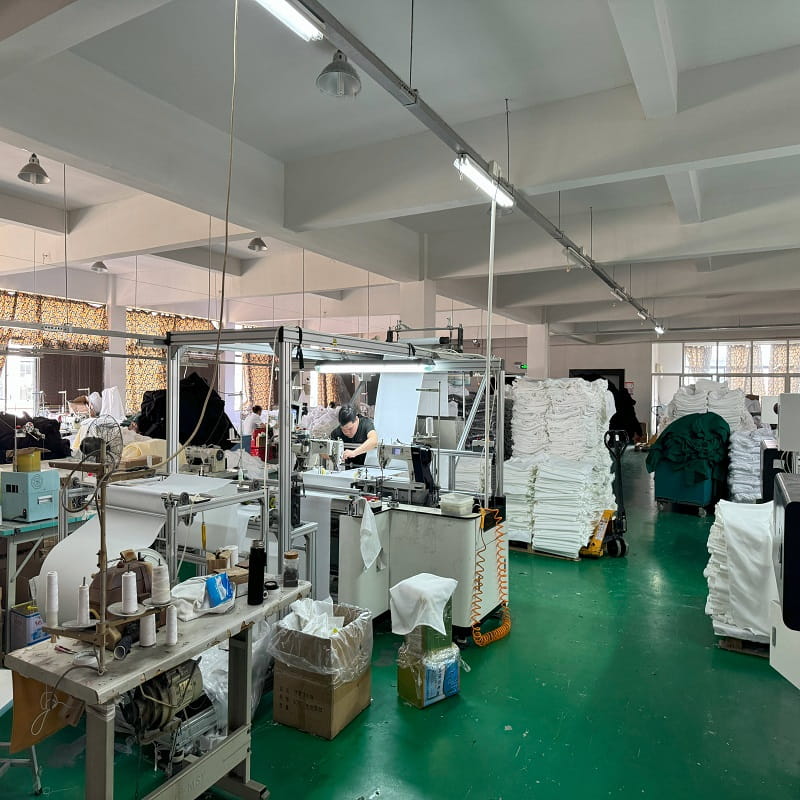
Արտադրական գործընթացում հումքի (այսինքն՝ գործվածքի) թափոնների առաջացումը՝ վատ կտրվածքների, սխալ չափումների և անճիշտ կարի պատճառով, արտադրողի համար ամենաբարձր ծախսերից մեկն է։ Ձեռքով սրբիչներ արտադրող արտադրողները կարող են կտրման և կարման գործընթացում մեծ քանակությամբ գործվածք կորցնել, մինչդեռ ինքնաշխատ սրբիչների կարման մեքենաները օգտագործում են բարդ կտրման և կարման մեխանիզմներ՝ ապահովելու ճշգրիտ կտրվածքներ և կարեր, ինչը հետևաբար օպտիմալացնում է գործվածքի օգտագործումը։
Շատ մեքենաներ ունեն ծրագրավորելի կարգավորումներ ստեղծելու հնարավորություն, որոնք նվազեցնում են հնարավոր մնացորդների (այսինքն՝ մեծ կտորից կտրված և չօգտագործվող մասեր) առաջացման հավանականությունը և օգնում են ապահովել, որ գործվածքի բոլոր մասերը արդյունավետ կերպով օգտագործվեն: Ժամանակի ընթացքում վերը նշված մեթոդներն օգտագործող արտադրողները կխնայեն նշանակալի գումարներ՝ վերացնելով իրենց գործունեությունից թափոնները: Ավելին, համատեղված որակը բարելավում է ապրանքների անսխալ լինելու հավանականությունը, ինչը հանգեցնում է թանկարժեք վերադարձերի, վերամշակման և հաճախորդների վստահության կորստի:
Նյութերի և աշխատավարձի ծախսերը նվազեցնելով՝ ձեռնարկությունները բարելավում են իրենց ծախսերի կառուցվածքը, քանի որ ընդհանուր ծախսերի նվազեցումը թույլ է տալիս մրցունակ գներ սահմանել՝ առանց շահույթի մարջինները նվազեցնելու: Սա անհրաժեշտ է բարձր գներով շուկայում, որտեղ գնի նկատմամբ զգայունությունը բարձր է, իսկ տարբերակումը սովորաբար հիմնված է որակի և հուսալիության վրա:
Սեփականատերերի համար, ովքեր ունեն ավտոմատ լոգարանային լոգաներ, B2B վաճառքի հնարավորությունը առավել շահավետ հնարավորություններից մեկն է: Հյուրանոցները, ռեստորանները, սննդի ծառայությունները եւ միջոցառումների կազմակերպման ընկերությունները հաճախ մեծ քանակությամբ թաց թաց թաց թաց թաց թաց թաց թաց թաց թաց թաց թաց թաց թաց թաց թաց թաց թաց թաց թաց թաց թաց թաց թաց B2B մեծաքանակ պատվերի միջոցով ավտոմատացված արտադրությամբ ընկերությունները կարող են ավելացնել իրենց արտադրական կարողությունների արժեքը՝ կանխատեսելի հուսալիությամբ մեծ պայմանագրեր կատարելու հնարավորություն ապահովելով:
Մեծ ծավալով սրբիչների արտադրության դեպքում պատվերների ժամկետների պահպանումը հաճախ դժվարություններ է առաջացնում ձեռքով կամ կիսաավտոմատ արտադրություն իրականացնող ձեռնարկությունների համար: Ավտոմատ սեղանի սրբիչների կարման մեքենաները կարող են հաստատուն կերպով արտադրել բարձրորակ և մեծ ծավալով սրբիչներ B2B գործընթացի մասին: Կորպորացիաների և հյուրանոցային ցանցերի հետ պայմանագրերի ստացումը նաև կարող է օգնել ապահովել եկամուտների կանխատեսելիությունն ու կայունությունը երկարաժամկետ բիզնես-պլանավորման համար:
Ավելին, ընկերությունները կարող են օգտագործել իրենց սարքավորումների արագությունն ու բազմաֆունկցիոնալությունը՝ բանակցելու մրցակցային գներ խոշոր Բ2Բ պատվերների համար՝ միաժամանակ պահպանելով բավարար շահույթի մարջիններ: Բ2Բ հաճախորդները սովորաբար պահանջում են բացառիկ որակ, հուսալիություն, մեծ ծավալներ և մրցակցային գներ. հետևաբար, սրբիչների արտադրության մեջ ավտոմատացման առավելությունները կարևոր առավելություն են ստեղծում այն ընկերությունների համար, որոնք ուղղակիորեն վաճառում են Բ2Բ հաճախորդներին:
Այսօրվա բարձր մրցակցային շուկայում բրենդի հեղինակությունը հիմնականում կորոշի երկարաժամկետ շահավետությունը: Հաճախորդների մեջ վստահություն ստեղծելու համար համատեղելի որակը առաջնային նշանակություն ունի, հատկապես հյուրանոցային և միջոցառումների կազմակերպման ոլորտներում: Այն ընկերությունները, որոնք օգտագործում են ավտոմատ սրբիչների կարման մեքենաներ, կարող են մշտապես արտադրել բարձրորակ ապրանքներ, ինչը նրանց հնարավորություն է տալիս հաստատվել որպես հուսալի և բարձրորակ արտադրողներ՝ ամրապնդելով իրենց հեղինակությունը:
Ուժեղ բրենդի հեղինակության ստեղծումը կթույլատրի ավտոմատ սեղանի սրբիչների կարման մեքենաներ օգտագործող ձեռնարկություններին բարձրացնել իրենց գները, քանի որ սպառողները սովորաբար ավելի շատ են վճարում համասեռ, մշակումների դիմացկուն և գրավիչ ապրանքների համար: Ավելին՝ ավտոմատ սեղանի սրբիչների կարման մեքենաներ օգտագործող ձեռնարկությունները կարող են ստեղծել լրացուցիչ արժեք՝ առաջարկելով հատուկ փայտագործություն, լոգո և բրենդավորված փաթեթավորման ծառայություններ, ինչը կտարբերակի իրենց մրցակիցներից և կստեղծի լրացուցիչ եկամտի հնարավորություններ:
Այն ընկերությունները, որոնք հաստատել են բարձրորակ ապրանքներ մատակարարելու իրենց համբավը, նաև զգալիորեն նվազեցնում են ստացվող բողոքների, վերադարձերի և փոխարինումների քանակը, նվազեցնելով գործառնական գործընթացների ընդհատումները և վերջնականապես մեծացնելով հաճախորդների բավարարվածությունը ընկերության նկատմամբ: Ընկերության հետ իրենց փորձից բավարարված հաճախորդները շատ ավելի հավանական է, որ այդ ընկերության մասին խորհուրդ տան ուրիշներին, դրական մեկնաբանություններ կամ գնահատականներ թողնեն և կրկին պատվերներ տան այդ ընկերության մոտ՝ այդպիսով զգալիորեն ընդլայնելով եկամտի ներուժը՝ առանց լրացուցիչ մարքեթինգային ծախսերի:
Ավտոմատ սրբեցնող թաշկինակների կարման մեքենայի ներդրումը սրբեցնող թաշկինակների կամ տեքստիլ կազմակերպության մեջ կօգնի հիմնականում վերափոխել այդ ձեռնարկատիրության բոլոր ասպեկտները՝ ստեղծելով հարթ, արդյունավետ և ծախսապարտեզ արտադրական հնարավորություն: Այս մեքենաները կօգնեն կազմակերպություններին մեծ ծավալներով և բարձր որակի սրբեցնող թաշկինակներ արտադրել և վերջնականապես ստեղծել շատ ճանապարհներ սրբեցնող թաշկինակների կամ տեքստիլ արդյունաբերության մեջ գործող ընկերությունների շահույթի մաքսիմալացման համար:
Այն ընկերությունները, որոնք ռազմավարական են իրենց ավտոմատ սրբեցնող թաշկինակների կարման մեքենաների ներդրման մեջ կազմակերպության առօրյա գործողությունների մեջ, լավ դիրք կունենան Բ2Բ բիզնեսի մեծ մասը գրավելու, բարձր շահույթաբեր հաճախորդների հնարավորություններից օգտվելու և ամրապնդելու իրենց ապրանքային նշանի առկայությունը:
Վերջին հաշվով, ձեռնարկությունները կարող են զգալիորեն բարելավել իրենց հաջողության ցուցանիշները՝ հասկանալով, որ իրենց բիզնես-պրոցեսների ավտոմատացումը միայն տեխնոլոգիաների թարմացում չէ, այլ հզոր ռազմավարություն, որն ապահովում է ավելի մեծ արդյունավետություն, փոքր ծախսեր և ավելի մեծ եկամուտներ, ինչը հանգեցնում է երկարաժամկետ շահույթավարման հասնելուն արագ փոփոխվող և մրցակցային շուկայում:

TPET ET-6620 ավտոմատ բարձրավանդակի ծածկոցի մեքենան (ԱՄՆ-ի տիպ) բարձր արդյունավետությամբ և ինտելեկտուալ լուծում է, որը նախագծված է ամերիկյան ոճի բարձրավանդակի ծածկոցների արտադրությունը հեղափոխելու համար՝ համապատասխանելու ժամանակակից տեքստիլ արտադրության պահանջներին։ Արագության համար ստեղծված...

TPET ET-5816/GG երկրորդ սերնդի ավտոմատ թաշկինակի երկարության եզրատակման մեքենան նորագույն լուծում է, որը նախատեսված է վերափոխելու թաշկինակների արտադրության արդյունավետությունն ու որակը: Այն արդյունաբերության ստանդարտ «Ավտոմատ թաշկինակ...»-ի հիմնական ձգման միավորն է:

ET-6628 փաթեթավորման բարձրավուն ծածկոցների մեքենան. TPET ընկերության ավտոմատացված AB-կողմնային փաթեթավորման արտադրության մեջ մի մեծ նվաճում: Ժամանակակից տեքստիլ արտադրության մրցակցային միջավայրում արդյունավետությունը, ճշգրտությունը և բազմաֆունկցիոնալությունը առաջնային են: ET-6628 փաթեթավորման...

Ավտոնոմ մեքենան սարքավորված է առաջադեմ մագնիսային նավիգացիոն տեխնոլոգիայով, որը համոզված է ճշգրիտ ճանապարհի հետևման և կայուն շահագործման մեջ:

Այս ավտոմատացված առաքման մեքենան սարքավորված է մագնիսային նավիգացիոն տեխնոլոգիայով և նախատեսված է արտադրական գծերի հետ անթերի ինտեգրման համար:

 EN
EN