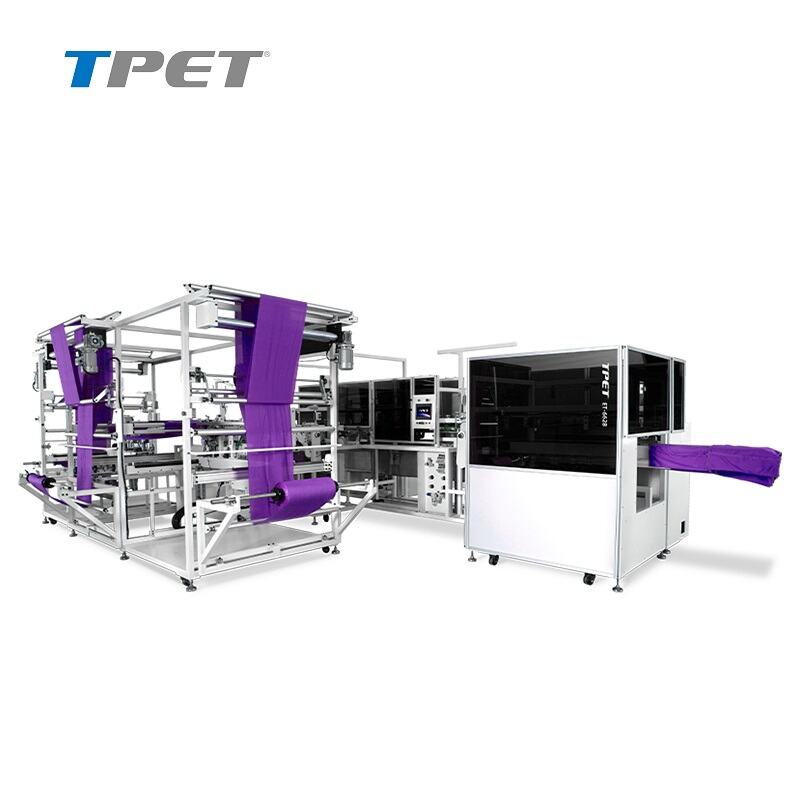
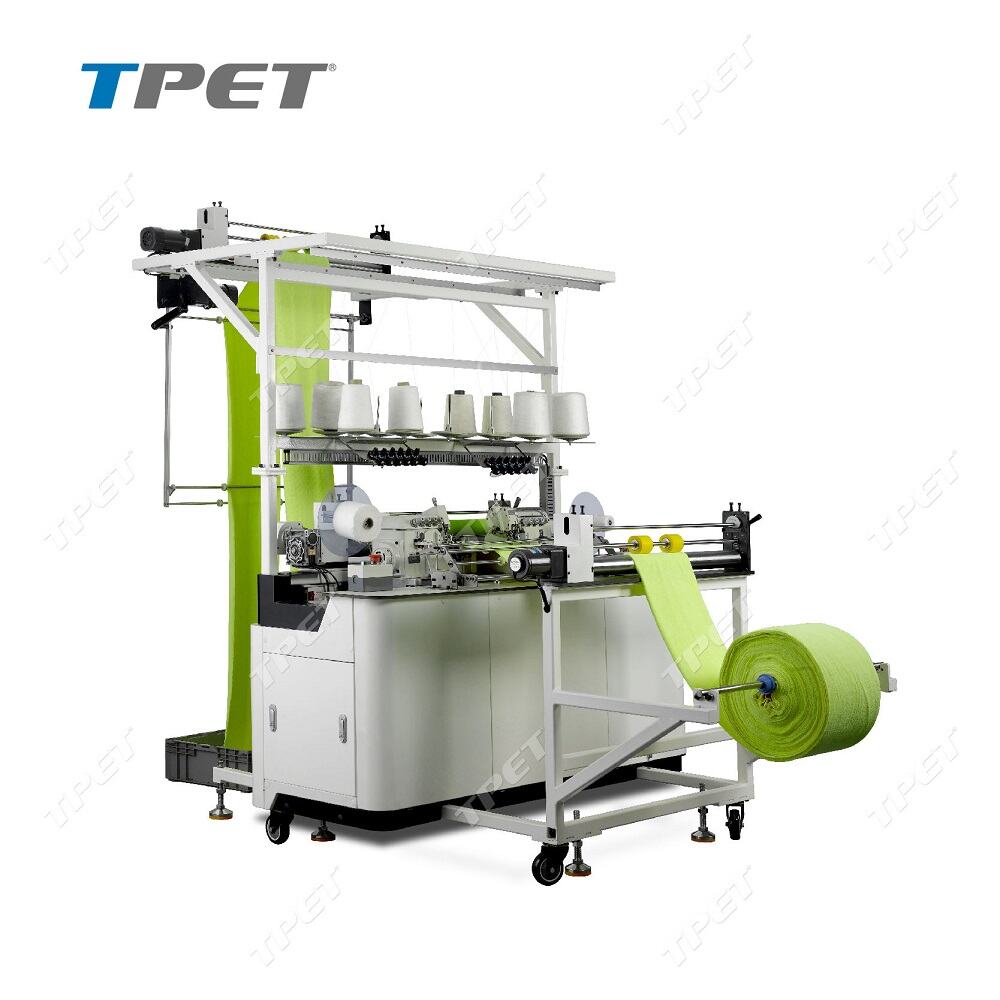
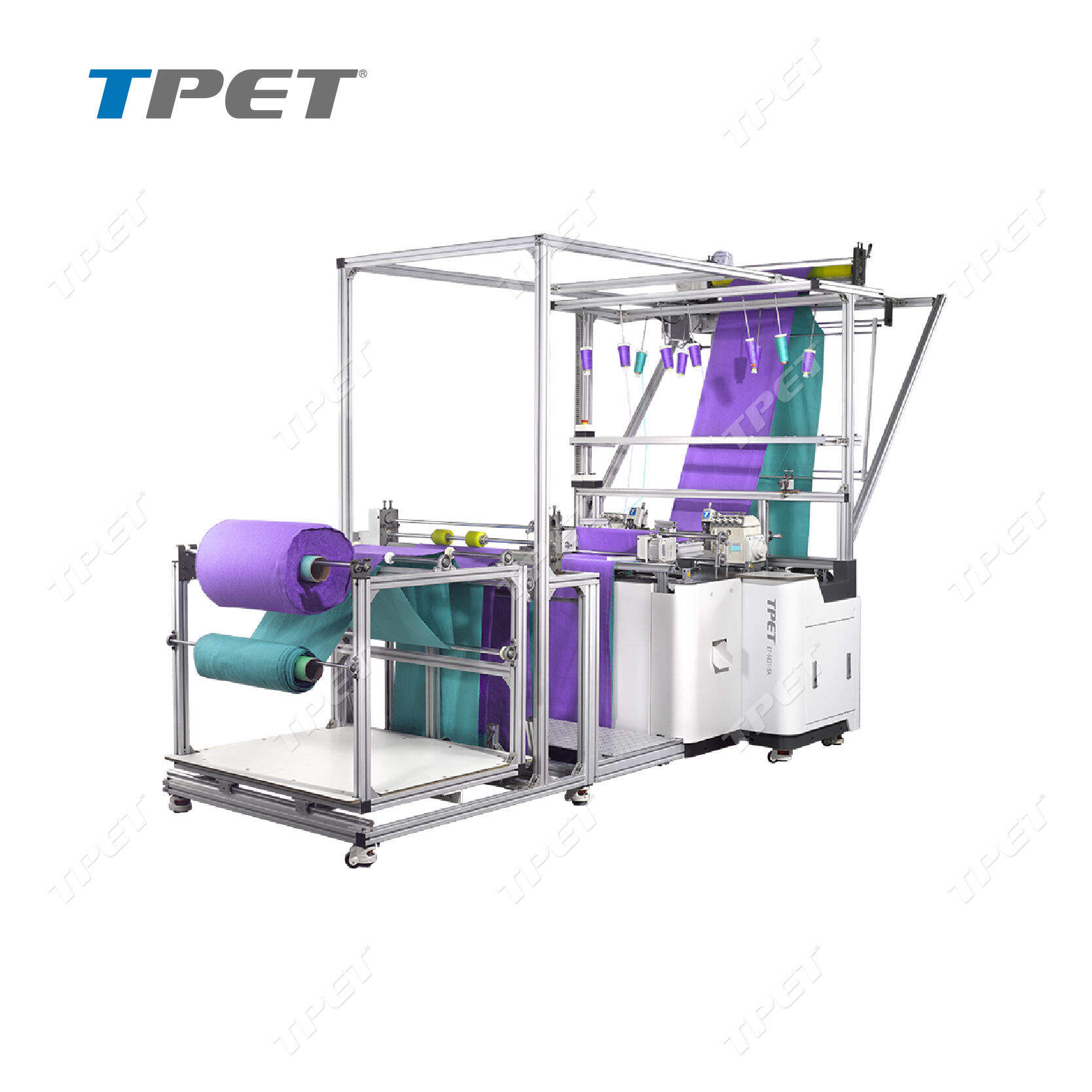
Best Industrial Sewing Machine: 5 Key Features for Factories

Overview of Best Sewing Machine For Industrial Use

Designed specifically for the harsh environment of factory floors, the Industrial Sewing Machine has the ability to consistently produce high-quality stitches using the latest in precision engineering technology. The rigid frame and heavy-duty electric motor allow the machine to run at sustained high speeds while maintaining consistent stitching quality regardless of material thickness and type through the use of a unique advanced thread tension system.
Get A Quote

Advantages of Best Sewing Machine For Industrial Use

Exceptional Durability

Using a strong frame and industrial-grade components, this machine helps keep you going through long shifts, heavy-duty work loads, and hours of continued use.

Fast, Consistent Stitching

Automatic adjustments of tension stability combined with precise threaded paths yield consistent results when sewing at maximum production speed on a machine with high-speed feed and industry-leading stitch regulator that creates uniformly finished stitches.

User-Friendly Controls

Simplicity and ease of use is achieved by the use of LCD control panels, intuitive controls, and ergonomic button layouts that facilitate setup and changeover.

Low Maintenance Design

With an emphasis on reducing downtime, the machine has been built with a self-lubricating mechanism and completely enclosed/packaged bearing assemblies allowing for easy access to all maintenance points.

Best Sewing Machine For Industrial Use

This industrial sewing machine, designed specifically for factory floors, uses a robust construction along with precision engineering for repeatable results on high volume production runs. Its heavy-duty motor and robust frame allow for high sustained speeds. An advanced thread tensioning system provides a consistent stitch quality, particularly on thicker materials. This machine is compatible withIndustrial sewing machines combine robust construction with precision engineering to produce consistent and repeatable results for large production runs. The rigid frame and heavy-duty motor that's used in this industrial sewing machine are designed for constant use at high speeds.

The machine uses an advanced thread tension system to maintain stitch consistency even through thick materials. IndustrialThe sewing machine was designed with heavy use on factory floors in mind and it features both durable construction as well as precision engineering that allows for repeatable results when working in a high-production run of many items. Its frame is extremely sturdy, and the heavy-duty motor allows for continued stitches to be delivered at sustained speeds. The unique thread tensioning system allows for consistent stitches to be produced across an extensive variety of thicknesses of fabric. The sewing machine accepts an enormous amount of various industrial sewing needle sizes and industrial presser foot configurations which allow for seamless transition between materials, e.g. denim, leather, canvas and synthetic blends.

The built-in control panel is capable of monitoring the load on the motor, the timing of the motor, and the overall thread path in order to provide not only lower maintenance costs by reducing repair costs via self-testing methods, but also to reduce unexpected and unnecessary downtime as a result of operator error. Proper lubrication and sealed bearings reduce both the frequency at which oil spills occur as well as the frequency at which operators will need to complete preventative maintenance. 

F&Q About Best Sewing Machine For Industrial Use

What fabrics can this machine handle?

This sewing machine is designed to work with a variety of types of fabric, from thin synthetic fabrics through to very thick dispositional styles such as denims and leathers.
This machine can provide very high speed stitching for production type environment and the adjustable stitch rates are provided by the torque optimized motor of the machine.
The frequency of maintenance for an operation will vary based on how often it is used. However, performing routine checks for maintenance on an operation is extremely easy to do.
A typical model will include a warranty from the manufacturer, covering both parts and workmanship, with an option for an extended warranty.

Get a Free Quote

Our representative will contact you soon.
Email
Name
Company Name
Message
0/1000