Carpet Edge Sewing Machine | Heavy-Duty & Precision

Overview of Carpet Edge Sewing Machine

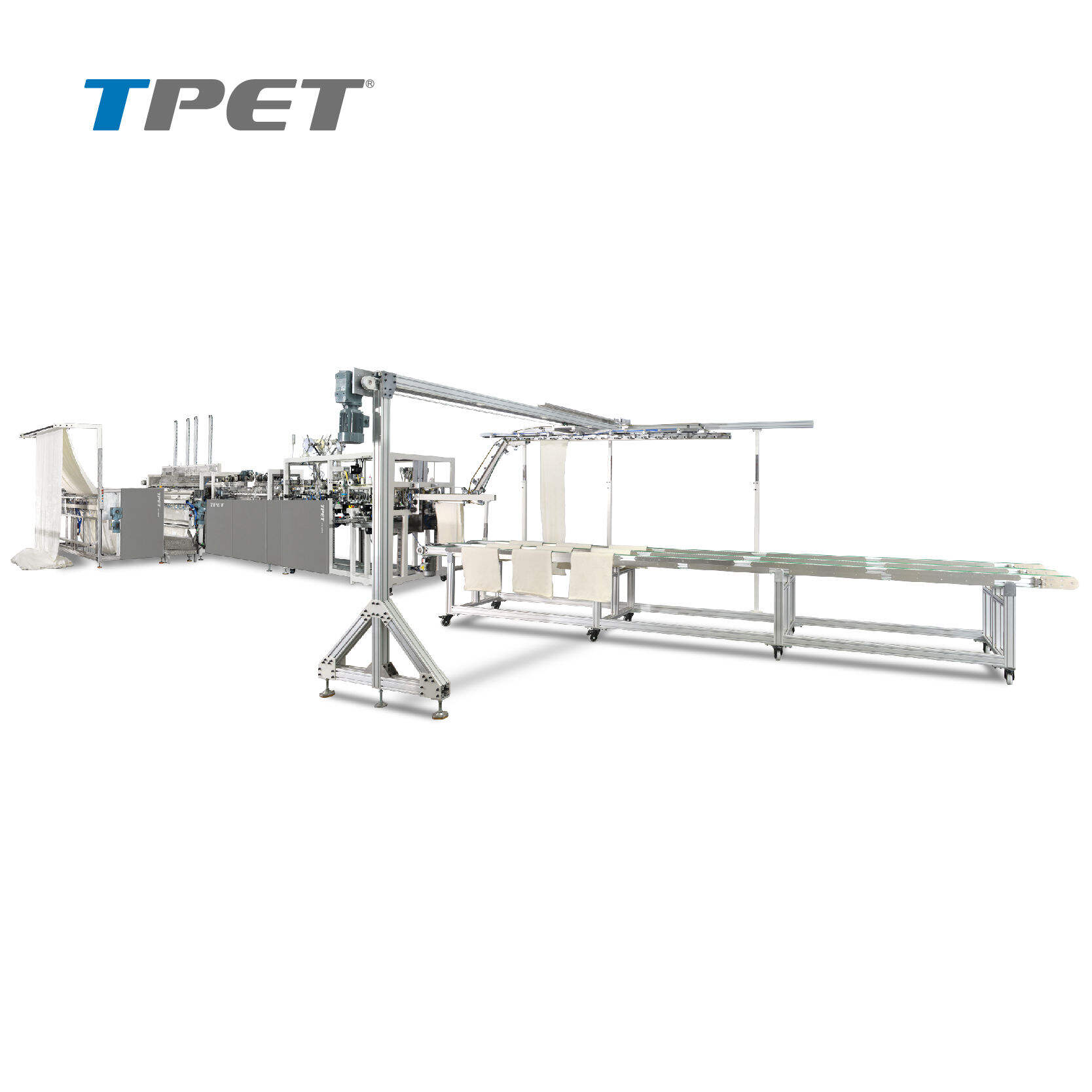
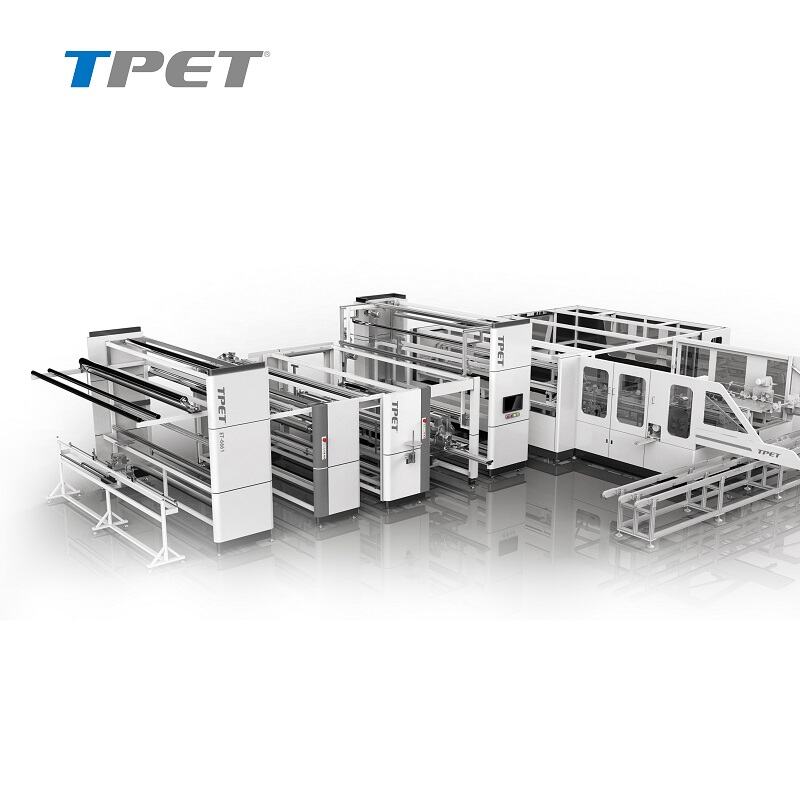
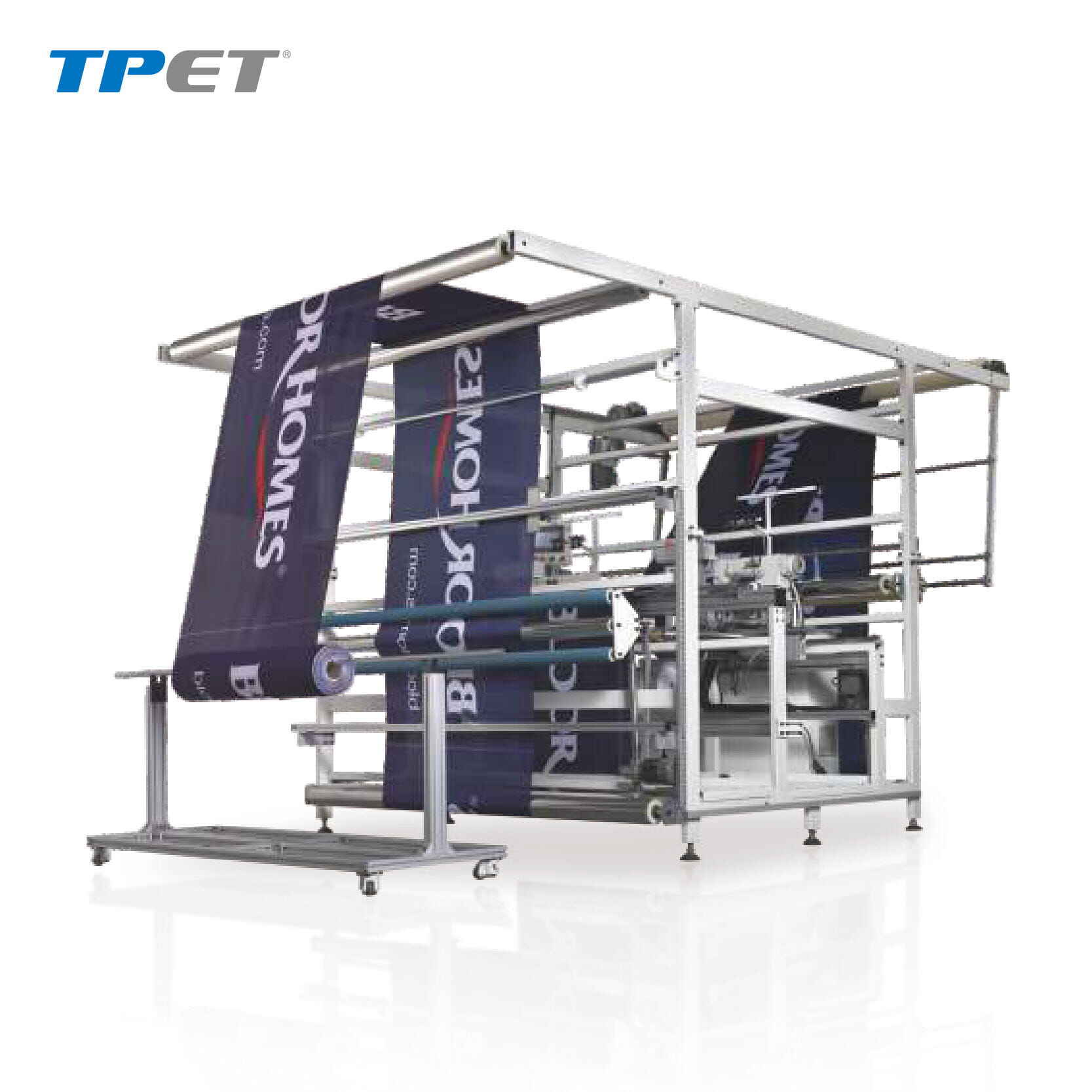
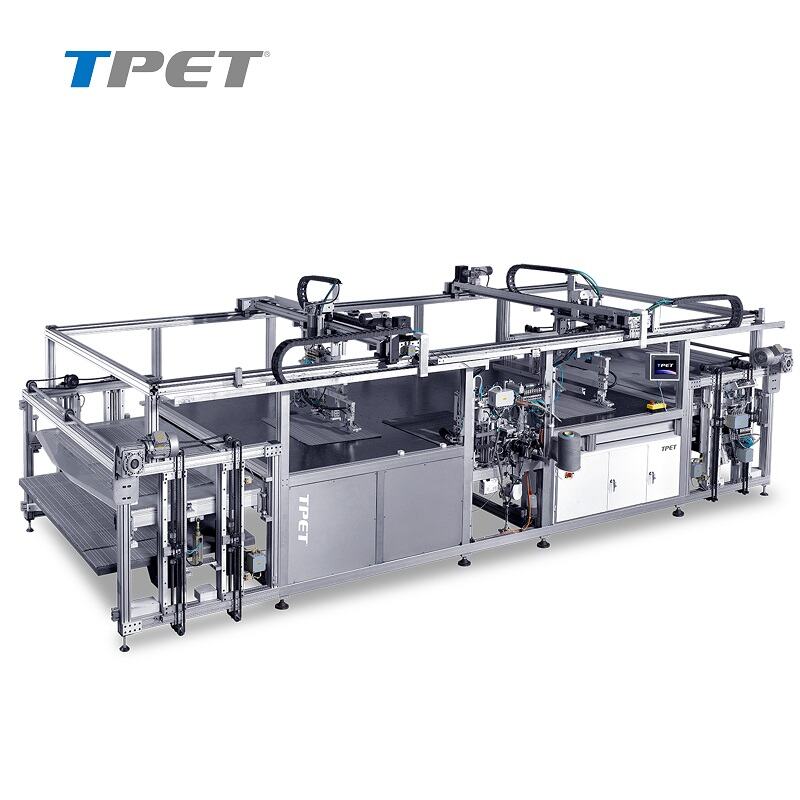
A specialized carpet edge sewing machine is specifically designed to produce high-quality finished cuts on carpets, rugs, and other types of carpeting. The machine is intended for the professional seamstress, but anyone who needs to finish the edges of their rugs or carpets can benefit from this machine. The use of a specially-designed needle, heavy-duty stitches, reinforced seams, and an automatic feed mechanism allows this machine to prevent damage to the fabric and cause it to fray.
Get A Quote

Advantages of Carpet Edge Sewing Machine

High-Precision Edge Finishing

This machine provides perfect edge finishing on all kinds of carpets and produces consistently equal lengths of stitches and stitched seams, even when borders curve.

Heavy-Duty Durability

The machine's rugged design and strong components allow it to work well even in industrial settings. Its industrial-grade motor, heat-resistant body, and sealed bearins make it easier to maintain the machine with less need for repairs.

Versatile Material Compatibility

By using the same machine through entire production process, carpet manufacturers will save substantial amounts of money on machine parts and labor costs.

Efficient Workflow and Safety

Controls that are user-friendly and adaptable to automation, the ability to quickly change thread sizes and an ergonomic shape all contribute to increasing productivity while maintaining safety features.

Carpet Edge Sewing Machine

This sewing machine will help upholstery shops, contractors who install carpets, and work spaces in making a carpet edge. A unique blend of precision engineering and a user-friendly interface allow for ease of use when using this sewing machine. All its stitching components (the needle bar made of hardened steel; an adjustable presser foot and variable speed drive) were designed to create a consistent stitch every time along the borders, hems, or edge bindings of a carpet. By using the correct size of needle with the correct thread type and tension settings, this sewing machine will be able to work with all types of carpet. A built-in LED light illuminates the seam line, eliminating the problem of eye strain due to low-light conditions when working with patterned or dark materials, thereby providing for improved stitching accuracy in such conditions. Segmented feed dogs provide the maximum amount of surface contact (or hold) to reduce the risk of your projects moving or shifting, especially when working on or around slippery surfaces. Curved guides allow for neat corner seams without creating excess bulking in the corners. The sewing machine includes several safety features. A sturdy guard offers maximum protection for your fingers and hands, while the automatic reverse stitch function allows for the repair of broken or misplaced stitches. In case of an emergency, the sewing machine has an emergency stop button that will cease operation at the press of a button. The sewing machine has only a few maintenance requirements: modular feed parts, shims, and a gearbox that extends service life will keep this sewing machine in perfect condition for years. Sewing machines like this one are widespread in the home improvement industry. Whether you will be finishing or binding carpet edges or making the final overlock seam for the entire project, this sewing machine will produce the same level of performance each and every time, and will save you time, money, labor, and, ultimately, improve the visual presentation of your finished carpet.This industrial carpet edging sewing machine is designed for use in upholstery shops, carpet installation operations, and workshop environments. The unique combination of user-friendly controls and the highest quality engineering allow for precision with ease of use. The hardened steel needle bar provides strength and durability while making it easy to adjust for differing types of carpets with the rugged adjustable Presser Foot. The variable speed drive gives a consistent stitch quality when sewing through gripper edges, hemmed or bound edges on all of the various types of carpet. All types of carpet, including low pile commercial carpets, heavy tufted carpets and anything in between, can be sewn with one machine by simply selecting the proper needle size, thread type and the tension setting you desire for your job. An LED lamp builds into the machine providing light directly over the seamline and reduces eye strain that often results from extended periods working with dark carpets or patterned carpets, also increases your accuracy when sewing from dark colours or patterns. The segmented feed dogs keep the lower side of the fabric pushed into position to ensure proper stitching on the upper side, and the unique curved guides allow for easy sewing of neat corners. Safety features include the durable needle guard, auto-reverse stitch and emergency stop. Maintenance is straightforward, with modular design feed components, shim design and gearbox designed for long life service. The SEWING of edging, binding edges or creating overlock seams is done with great consistency and with less labour than other machines. The SEWING machine will help enhance the final presentation of your carpet.


F&Q About Carpet Edge Sewing Machine

What materials can the carpet edge sewing machine handle?

With its multifunction feed system, it is compatible with a variety of needles. It can sew nylon, olefin, polypropylene, blended textiles and low-pile, plush and textured carpets. For optimal performance, you must use the right size needle, type of thread and tension so that edge guides are correct.
The sewing machine is fitted with adjustable guides and an adjustable and flexible presser foot to smoothly sew curves. Use the guide marks and slow down the feed to sew corners securely. Use a shorter stitch length for tighter curves to prevent gaps from forming and edges from pulling apart.
Of course, it is built with a heavy duty frame, sealed bearings, and a fan cooled motor for extended use. Regular lubrication and quick checks of the needle/tension will keep it running smooth. To ensure continued performance during high volume production periods, perform preventive maintenance and replace any worn out parts before they fail on you at any given time and place.
The manufacturer’s maintenance guide should be followed according to the specific type of equipment used. The daily maintenance routine typically includes removing any lint build up, checking the condition of the needle and ensuring that the thread is on the correct path. In addition to this daily service, the following activities should occur weekly: lubricating all moving components, inspecting power transmission devices and testing any safety features included with the machine. Annual maintenance of the sewing machine should incorporate testing for gearbox seal leakage, bearing wear and bearing alignment issues.Refer to the manufacturer’s recommended maintenance guidelines. Daily routine includes monotoring lint buildup by cleaning out the needle, inspecting threads for obstructions, and ensuring thread placement according to the manufacturer’s specifications. Weekly functions include lubricating moving parts, checking for wear and functionality of the belts, and testing safety mechanisms to ensure properIt is essential to adhere to the maintenance schedule provided by the machine's manufacturer, which specifies various levels of inspection and maintenance for the equipment. Daily maintenance includes removal of lint from the machine; examining the needle; checking the routes of the threads; etc. Weekly maintenance involves oiling the moving components of the machine; checking for frayed belts, and testing the operation of all safety devices. The annual maintenance of this machine should include checking and replacing worn out seals and bearings; checking for misalignment of the machine's parts.You should follow the manufacturer's guide for regular care of the machine. A daily maintenance routine should consist of the following: cleaning any lint; checking the needle for any damage; and assuring that thread is passing correctly through all guides. On a weekly basis, you need to check oil and lubricate all moving parts, inspect the belts for wear and tear, and test all safety features. The annual service check should include the gearbox seals to ensure they are operating properly, as well as the bearings in terms of their being worn out and misaligned.You should be following your machine’s recommended maintenance schedule, which for daily maintenance includes cleaning out any lint, inspecting the needle and verifying the thread path, as well as performing weekly maintenance by oiling moving parts and belts as well as checking the safety features. For annual servicing, it should include checking the gearbox seals, the bearings for any signs of wear and the alignment of the bearings.Be consistent with the Manufacturer’s Maintenance schedule, including routine maintenance such as cleaning the Lint Screen, checking your Needle and verifying the Thread Path. Weekly tasks will include Oil Moving Parts, Check Belts and test Safety features. Yearly Service should address the Gearbox Seals, and Check Pad Wear and Alignment.

Get a Free Quote

Our representative will contact you soon.
Email
Name
Company Name
Message
0/1000