Fabric Roll Slitter: Precision Textile Slitting Machine

Overview of Fabric Roll Slitter

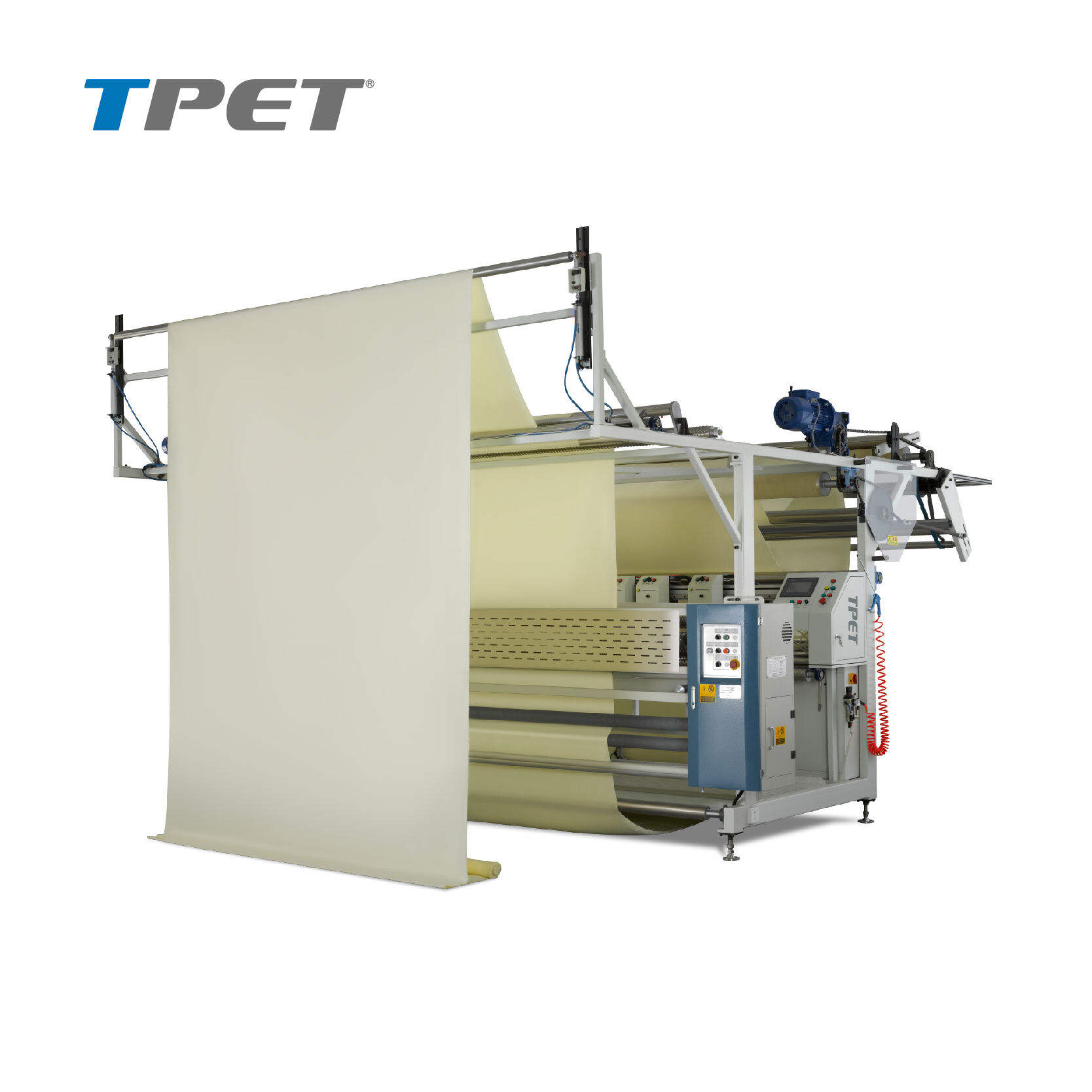
A slitter is a computer controlled slitting machine that can easily cut pieces off of larger rolls of fabric into a multitude of smaller pieces that are ready for sewing, knitting, or packaging processes. Using a tension control system, fabric is pulled through a series of blades or knives that are adjustable for space between blades and/or knives to provide the perfect weaving of fabric or textile. The slitting machine's solid frame is designed to support large rolls of material, and users have options to customize how wide their cuts will be from one end of the roll to the other. The user can also determine the pace at which the fabric will be threaded through the machine as it is being cut. The slitting machine's design includes simple safety guards on the slitting machine, emergency shut off and visible markings to provide the user with a clear indication of where each cut will occur.
Get A Quote

Advantages of Fabric Roll Slitter

Precise Width Control

Synchronized knife spacing minimizes variation in cutting accuracy while maintaining consistent fabric integrity through the use of pressure and tension control to eliminate edge fraying or skewing that occurs during high-speed production operations.

High-Speed Throughput

The slitting machine was designed with a strong focus on feeding material quickly and allowing for high-speed cutting cycles.

Safe and Ergonomic Operation

Operators are protected during both setup and cutting due to smart safety features, including a protected knife area, emergency stop buttons, and automatic retraction mechanisms.

Versatile Fabric and Roll Compatibility

Various types of fabric from lightweight synthetics to heavyweight delicates including knits and wovens are supported by this design.

Fabric Roll Slitter

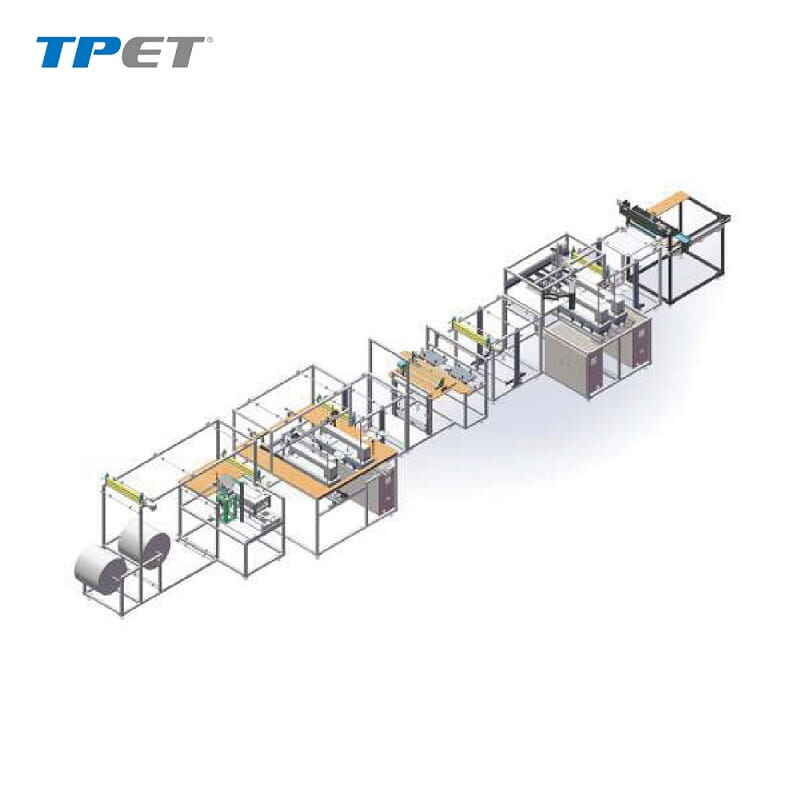
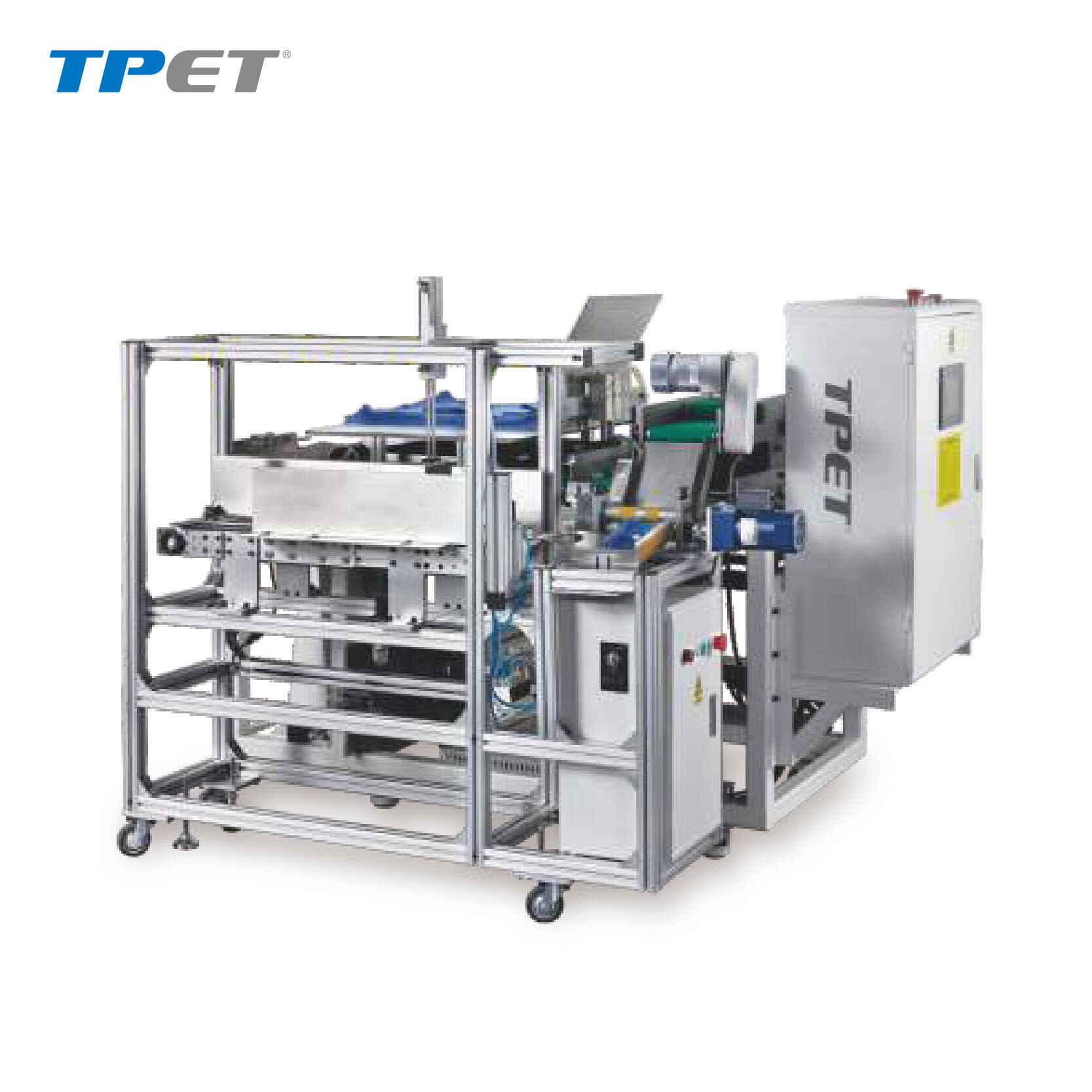
With its modular construction options available (standalone), combined with its precision knife assemblies and sophisticated control systems, the fabric roll slitter is designed to provide consistent, reliable slitting production in high volume textile environments. The ability to configure the fabric roll slitter to fit individual production layouts gives manufacturers flexibility in their production process. Each knife assembly is designed to give easy access for physical maintenance, as well as include a quick-change blade feature, to allow for easy replacement of blades in just seconds.

The knife assembly is adjustable in angle for maximum effectiveness with a broad variety of fabric constructions. The feed system is equipped with properly calibrated rollers that provide an anti-slip surface to provide for equal speeds when accelerating or decelerating. The operator interface can be found in a panel mounted design or touch screen version, and include features such as recipe storage, batch tracing, and fault logging for assurance of the quality of manufactured slitting product. Routine maintenance of the fabric roll slitter is one of the easiest in the industry, as it includes washable belts for cleanliness, and a clean knife guard for safe operation.


F&Q About Fabric Roll Slitter

What materials can it slit?

The slitter is capable of converting a wide variety of fabrics including woven and knitted textiles; non-woven textiles and laminated materials in addition, depending on thickness and machine tension settings; from light to heavy weight fabrics it can accommodate, so long as the knife blade is adjusted for the material being cut at that time.
Standard slit widths range from 2 inches to 60 inches (50 – 1500 mm), and we'll provide optional rail systems as well as different knife spacing for wider/slimmer slit widths. In addition to these standard options, we also offer custom configurations that will enable you to cut exactly what you want when it comes to specialty fabrics and finishes.
There are a number of machines that can automatically control tension using feedback sensors and dancer arms. The constant tensioning allows for consistent fabric draw creating no slack or excessive tension which would cause fabric wrinkling or tearing. Additionally, these machines will often have the option available to manually override the automatic tensions for any delicate materials or adjustment of the set up.
Regular scheduled maintenance includes checking to see that blades are on track, lubricating the bearings, checking the tension of the belt, and calibrating the knife's gap as needed. Depending on how often you use your machine, it is recommended that you perform an preventative service once a year to every two years. We use remote diagnostics and factory support to provide you with accurate support to help reduce the amount of time that your machine is down and to keep our customers safe.Blade inspections, depending on usage, should be done every 6 to 12 months. Lubrication of Bearings, Checking the Tension of Belts, and Calibration of Knife Gaps should also be performed every 6 to 12 months based on usage. The use of Remote Diagnostics and Factory Support greatly reduces Downtime and increases Safety.

Get a Free Quote

Our representative will contact you soon.
Email
Name
Company Name
Message
0/1000