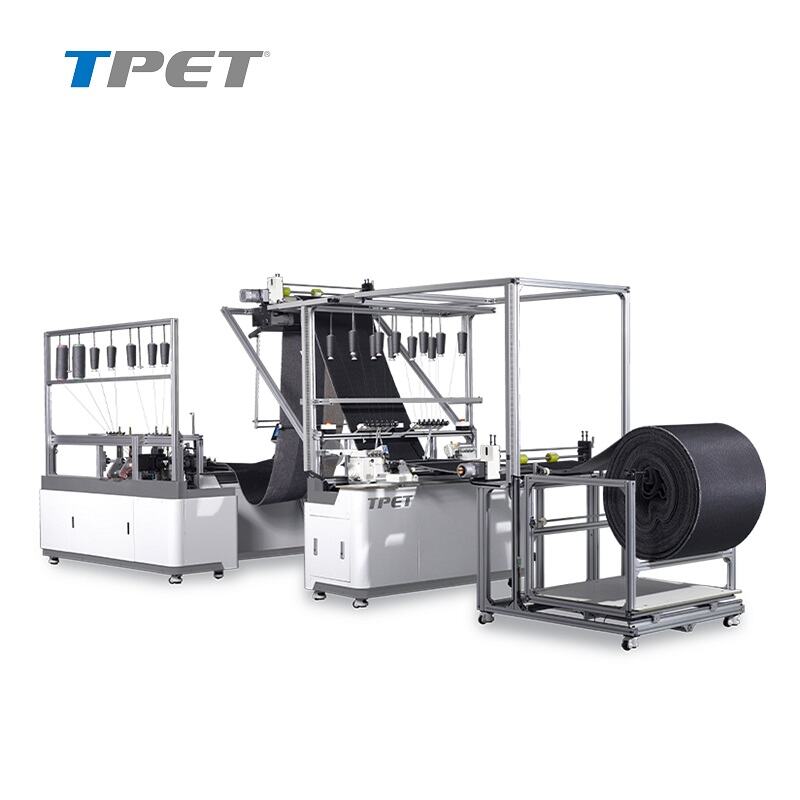
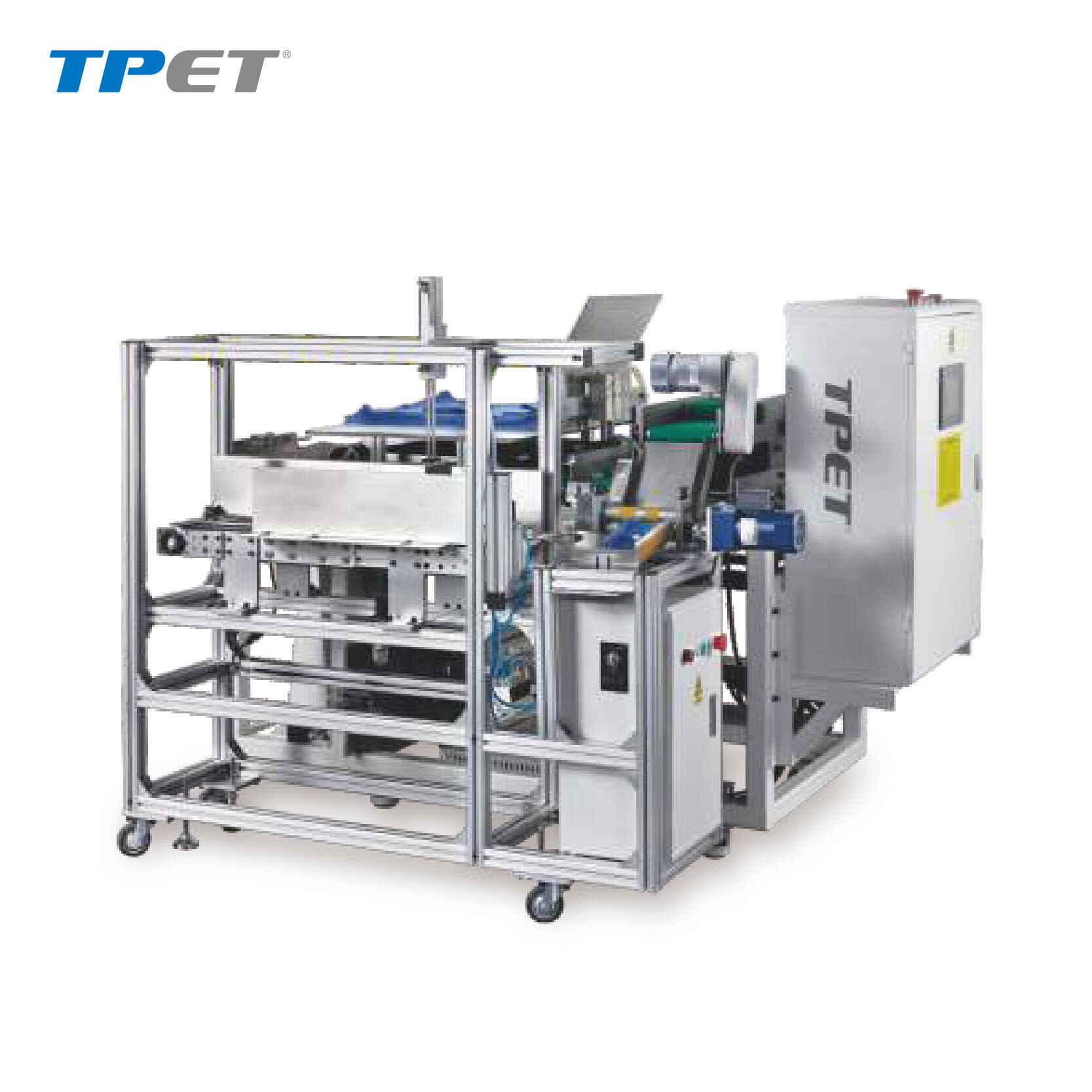
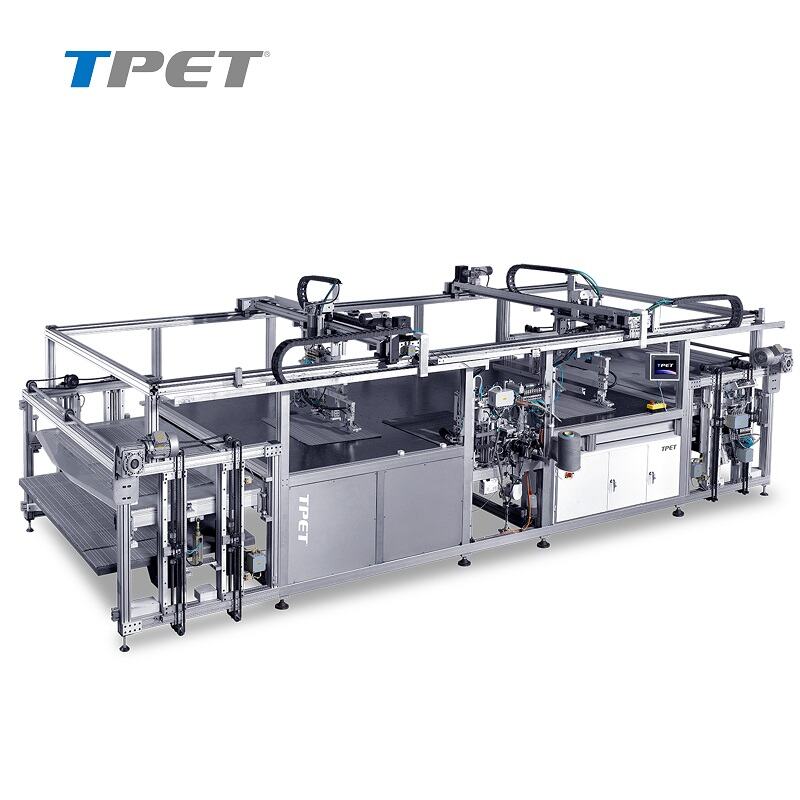
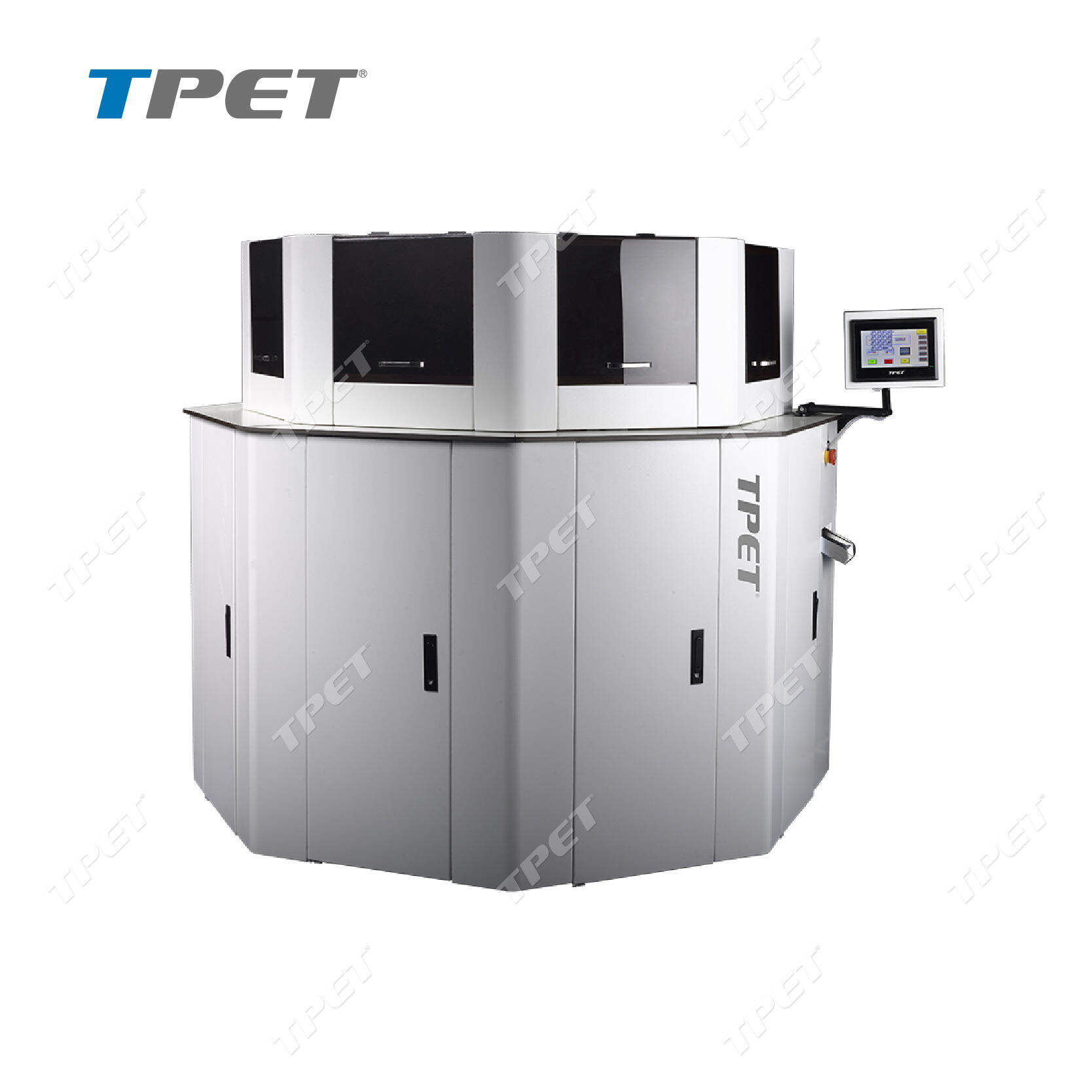
When evaluating the above factors, you can take into account the material type, production speed, type of stitching system, and the level of maintenance required. Other considerations include available space and skill level of operators. Additionally, you should evaluate how the type of motor, lubricants used, automatic features, and other components will impact your workflow and provide for effectiveWhen evaluating a sewing machine, you should consider the material being sewn, production speed(e.g., how quickly you need to sew), the stitching style used( zigzag, stitch forward, etc.), maintenance requirements (how often you will need to clean/maintain), available work area for the machine, operator skill level, motor types (e.g., AC, DC), lubrication requirements (whether or not oil/grease areUpon evaluating different types of materials used in the manufacturing of products, you should take into account not only the types of material that will be utilized but also the way they are produced and at what rate; specifically, your manufacturer should identify a high-speed sewing machine capable of producing a variety of stitch types and needing a low amount of maintenance. Additionally, you willExamine the material types, speed of production, stitch type, maintenance requirements, available space and operator skill. You should also evaluate the type of motor, lubrication and any automatic features. You will also want to compare warranty options, training options, and supplier support to ensure compatibility with your workflow over time and effective cost control.Evaluate the production parameters to see if they fit in with material types, production speeds, stitch types, and maintenance needs of machines. In addition, look at your available space and the level of skill of the operator to determine the best set up for your workflow. Additionally, look at the type of motor and type of lubrication, along with automatic features, to find the right machine for your production needs. Compare manufacturers for their warranty, training options, and supplier support for compatibility with your workflow and cost effective practices over time.Evaluate the materials needed for production, production speed, stitch type, maintenance requirement, available working space, and operator skill/experience. Consider motor type, automatic features, lubrication, and other types of motors. Additionally, compare the different types of warranties, methods of training, and supplier support offered in order to determine long-term compatibility and effective cost management within your production process.

 EN
EN