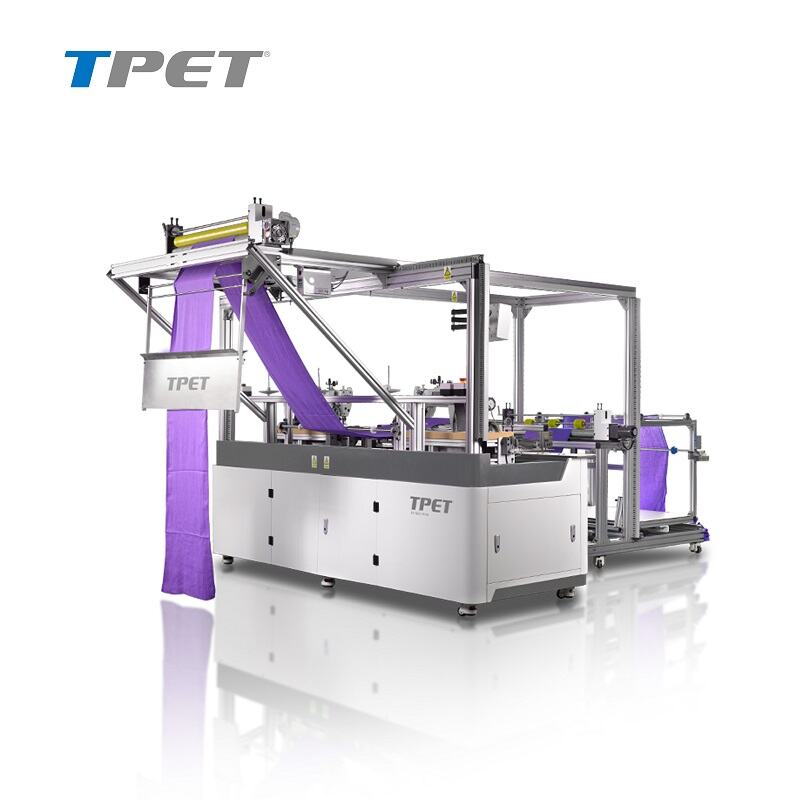
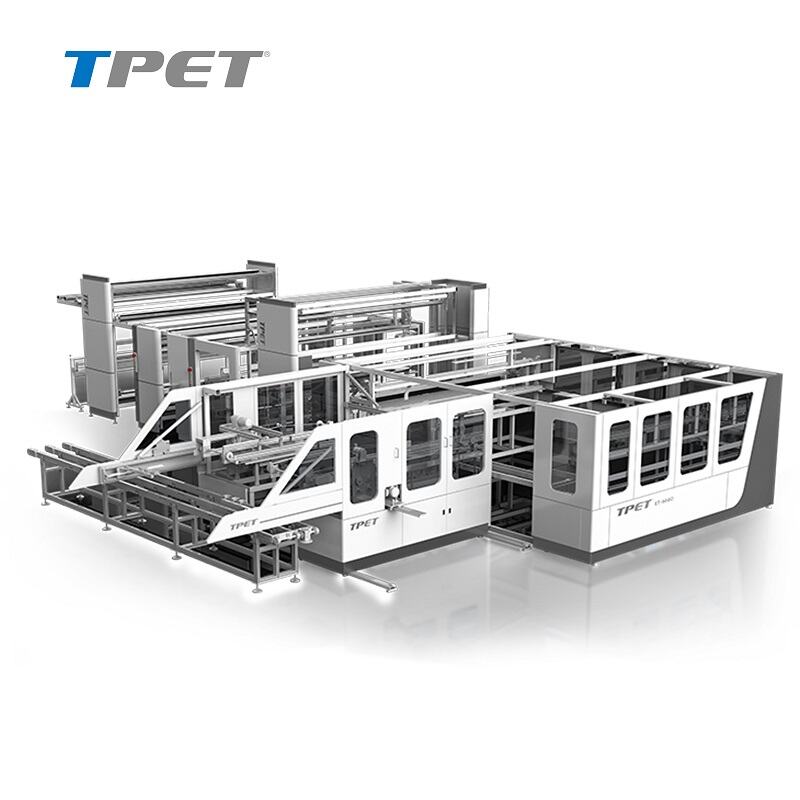
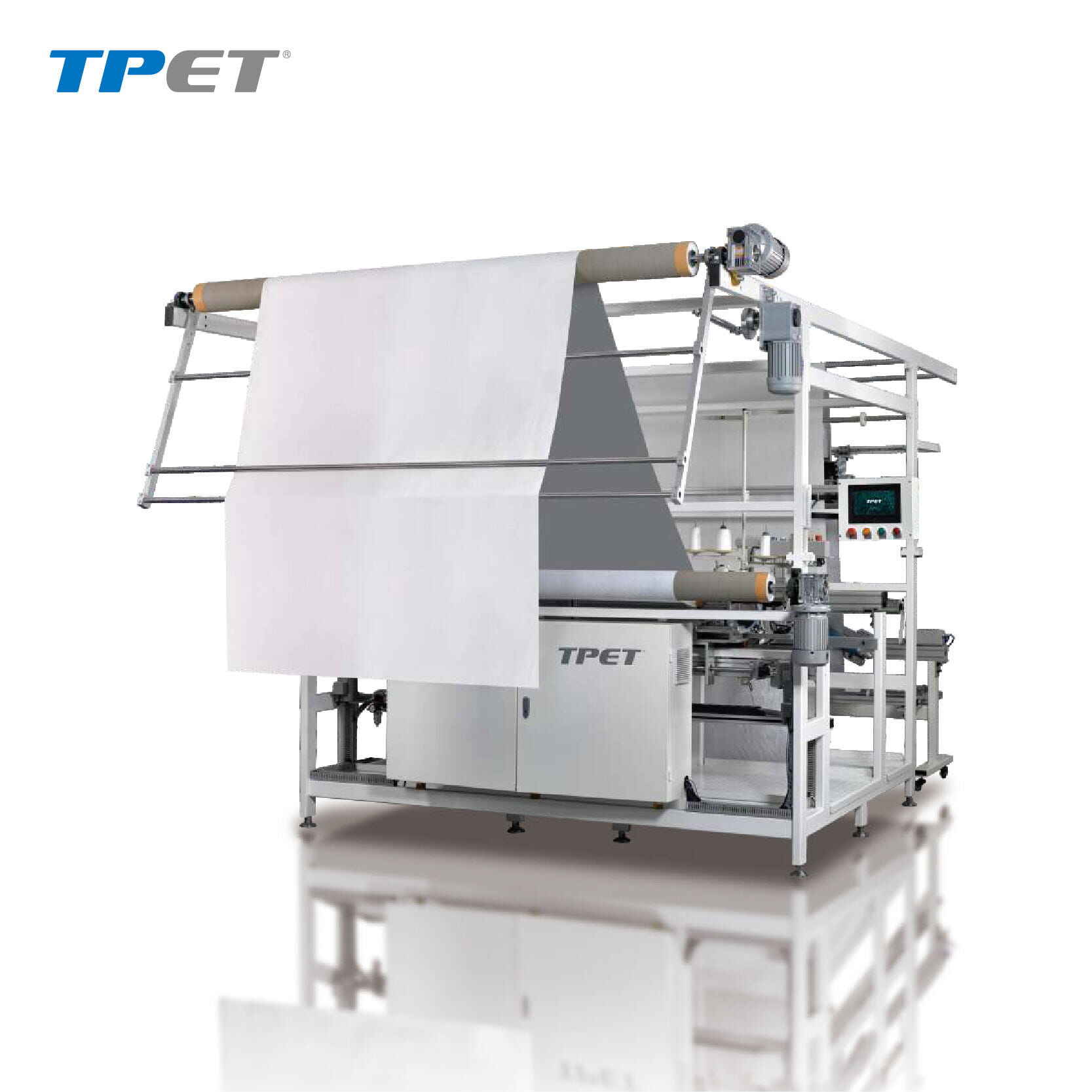
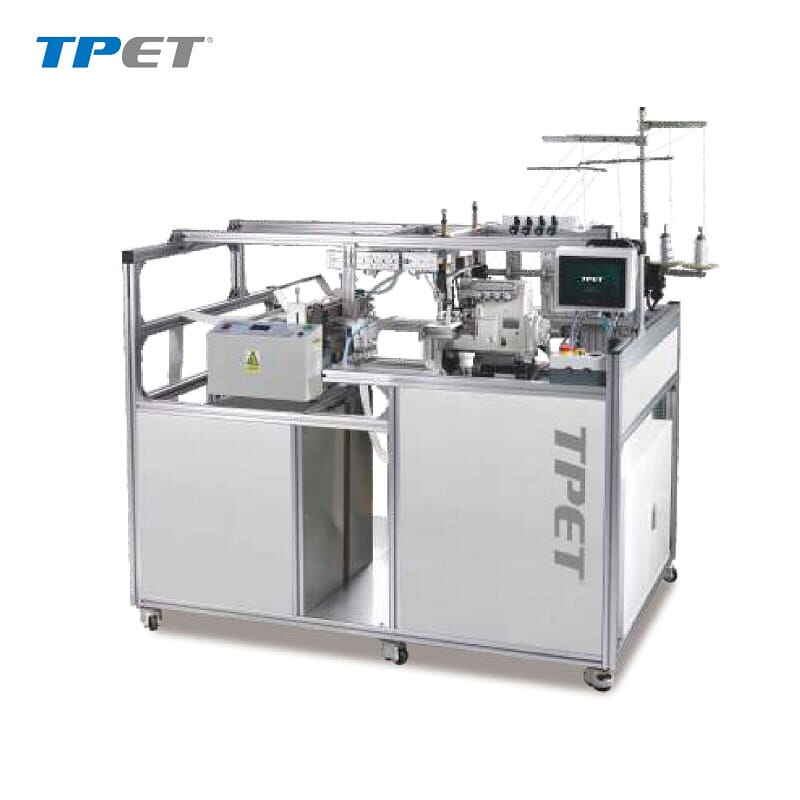
Industrial Straight Stitch Sewing Machine | High-Speed & Heavy-Duty

Overview of Industrial Straight Stitch Sewing Machine

Designed for high-demand production settings, the Industrial straight stitch sewing machine allows users to create rapid and uniform stitching on a diverse array of heavy weight fabrics. It features a sturdy, cast-iron frame; an accurate, precision needle mechanism; and an impressive servo motor that allows for continuous, stable operation with minimal vibration, even when used over extended periods of time. This sewing machine is exceptionally well-suited for straight seam stitching, top-stitching, and edge-finishing, as well as providing outstanding feed control, needle penetration, and thread balance.
Get A Quote


Advantages of Industrial Straight Stitch Sewing Machine

High-Speed Performance

It uses a reliable feed mechanism that maintains consistent stitch lengths over all types of material so that seam quality remains the same regardless of fabric type, which helps to avoid excess strain on sewing operators due to nonuniform seams, caused by skipped stitches.

Versatile Material Handling

Heavy weight leathers, heavier weight and stiffer manmade materials like canvas and denim weight, and even heavier weight and layered synthetic materials are able to be sewn at high speeds easily.

Easy Maintenance and Serviceability

Designed to be easy to maintain, this machine features a tool-free way of getting to the needle plate, feed dogs, and hook area.

Precision Control and Accuracy

The adjustable stitch length, the configurable needle timing, and the even feed mechanism provide a consistent seam at several different widths.

Industrial Straight Stitch Sewing Machine

Built for heavy use, the Industrial Straight Stitch Sewing Machine offers a combination of durable construction and precision design to handle the daily demands placed upon it by a commercial sewing room. Using a cast-iron frame, the Industrial Straight Stitch sewing machine minimizes the effects of vibration while evenly distributing the weight of the machine, allowing longer running times between the need to change out your bobbin without the added heat or misfeeds. With one stitch length, the Industrial Straight Stitch sewing machine uses only the straight stitch and is perfectly designed for edge finishing, top stitching, and reinforced seams. The Industrial Straight Stitch sewing machine will provide consistent uniform stitches on leather, denim, canvas, and other thick fabrics due to its superior feeding mechanism with balanced thread tension. The large power supply of the Industrial Straight Stitch machine provides exceptionally high-speed running capability when using the machine continuously and produces lower energy consumption, making it extremely quiet and adaptable to an open workspace. The Industrial Straight Stitch sewing machine can be threaded quickly and has a simple bobbin changing process, making it easy for users to maintain their machines. It's compatible with several manufacturers' standard presser feet, has an adjustable needle position for maximum versatility when thread is running through the sewing machine, and can be used in various products such as clothes, upholstery, bags, and industrial textiles. The Industrial Straight Stitch sewing machine has been designed for ease of maintenance, provides long service life, and produces consistent seam quality even under the heaviest of workloads.

F&Q About Industrial Straight Stitch Sewing Machine

What fabrics can this machine sew?

Provided that the proper needle and presser foot are used, it is capable of sewing through all types of fabrics, including lightweight synthetics and heavyweight leathers and denim. With its high-quality frame and solid feeding system, it maintains the appropriate amount of thread tension while minimizing fabric puckering to produce strong, durable seams across all types of fabrics.
You can set the speed of the machine depending on the type of material you are sewing with, and your skill level. At high speeds, you can see bulk amounts of work quickly, while at low speeds, you can achieve very accurate stitching on delicate fabrics. The use of a servo motor in place of the traditional motor reduces noise and heat generation, which helps the operator remain more comfortable and inSpeed can be adjusted based on operator skill level and material used by the machine. For example, the machine will perform well in bulk production while keeping stitches accurate on delicate fabrics when run at lower speeds. The machine uses a servo motor which reduces noise and heat, thus, improves the control of the machine and reduces fatigue on the operator.
After maintaining a sewing machine’s, its parts remain in optimal condition if: They are clean. They are lubricated properly using a set schedule (for example, every 3-4 hours). You have checked the needles, hooks, and feed dogs for wear or damage at least every six months. The replacement parts are quality-made, and any worn-out parts are immediately replaced. Also, always check for oil leaks.If a sewing machine's parts stay in optimal condition for as long as possible with proper maintenance, the following items must be properly maintained: The machine must be kept free of dirt or lint by routinely cleaning the machine with a lint roller and, if used, by using a vacuum with a secondary attachment for the machine itself. You must provide oil to the machine as indicated periodically on an oiling schedule every three to four hours of run time. Needles, feed dogs, and cycles must be checked at least every 6 months either by your local dealer or by the user. Parts being replaced must be made from high-quality materials, and every used part must be discarded and replaced immediately if it shows signs of wear. You should check for leaking oils consistently during the use of your sewing machine.When you maintain your sewing machine, it's important to keep it clean and lubricated according to a set schedule (e.g., every three to four hours). Also, you should inspect the needles, hooks, and feed dogs for wear and damage at least twice a year. When replacing parts, use quality parts and immediately replace any defective ones. Finally, regularly check your machine for any signs of leaking oilWhen you regularly maintain your sewing machine's parts through proper cleaning and lubrication on an established schedule (3 to 4 hours of use), you will be able to keep all of the sewing machine parts in their best possible condition. Make it a point to inspect the needle, hook, and feed dogs for signs of wear and tear at least twice a year. If a part is worn out, use high-quality replacement parts immediately and check that no oil is leaking from the machine.Having kept a sewing machine in good condition for a long time, the following will keep its parts working at their best: Are clean Are lubricated regularly (for example, every 3 or 4 hours) Have inspected the needle, hook, and feed dog for wear/damage every six months or more often. Are high quality and replace parts that are worn/used regularly; and check for oil leakage regularly.
The warranty of the machine was created by the manufacturer to protect against any manufacturing defects and will remain in effect for a specified period. For customers who desire to purchase additional service plan options, an extended service plan is available. To protect their warranty rights and ensure that the machine is operated reliably, customers should: (a) retain their purchase receipt, (b) take care of the machine through performing routine maintenance, and (c) operate the machine in accordance with the manufacturer's suggested operating conditions.Yes, the manufacturer provides a warranty covering defects in material and workmanship for the machine for a period of time after purchase. Additionally, the manufacturer offers extended service plans to customers. To maintain the warranty and to help ensure reliable operation of the machine, customers must keep receipts, maintain the machine on a regular basis according to guidelines provided by the manufacturer, and use the machine in the manner for which it was intended by the manufacturer.The manufacturer offers a warranty on parts and labour for a limited time on the machine. Extended warranty programs are available. In order to enforce their warranty rights and to ensure continued functioning of the machine, the customer needs to keep receipts, keep up with scheduled maintenance, and operate within the recommended parameters.

Get a Free Quote

Our representative will contact you soon.
Email
Name
Company Name
Message
0/1000