Industrial Sewing Machine for High-Volume Production [2024]

Overview of Sewing Machine For Industrial Use

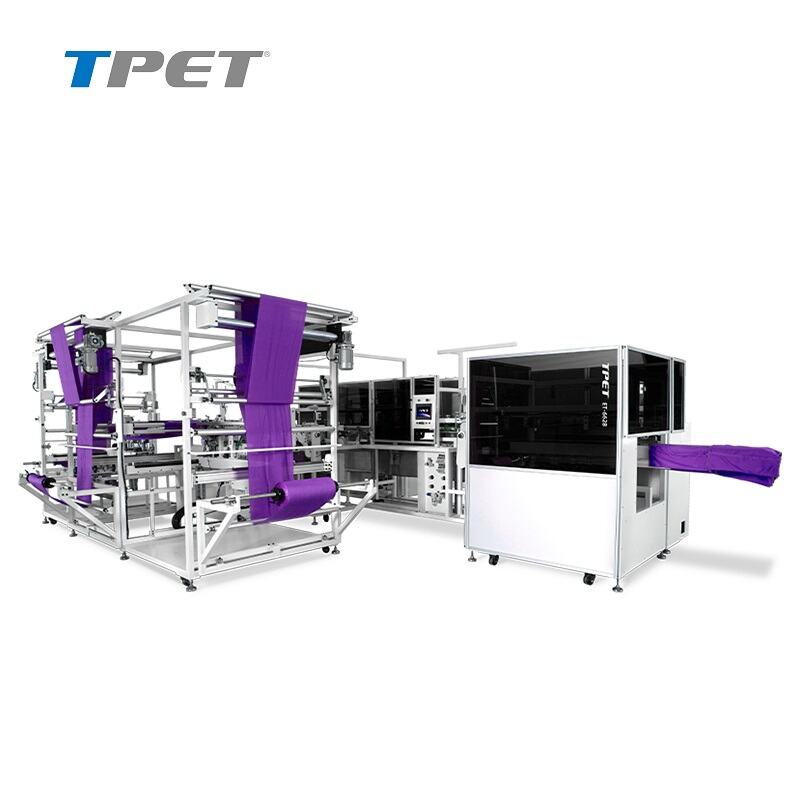
Industrial sewing machines developed for high production and advanced material applications. Precision, speed, and reliability were design criteria, to meet the demands of the industrial markets. In particular the use of industrial sewing machines by the apparel manufacturing industry (garment factories) and the marine upholstery industry was evaluated. The machine's durability and performance were tested under continuous production conditions and with many different types of fabrics, composites, and styles.
Get A Quote

Advantages of Sewing Machine For Industrial Use

Heavy-Duty Construction

The heavy cast-iron frame and heavy-duty components of this machine are designed to work in a high-use environment with heavy heavy workloads without any bending or vibration.

Exceptional Stitch Quality

Adjustable tension, presser foot pressure, and a servo motor that accurately controls sewing speeds are used to create consistent stitching across various materials and different thicknesses.

User-Friendly Automation

Set-up time is drastically reduced because of Colour Codings for Spools of Thread, Quick Change Presser Feet, Electronic Drive.

Versatile Materials Handling

This machine utilizes a wide range of material options including leather, synthetic materials, and multi-layered composite materials.

Sewing Machine For Industrial Use

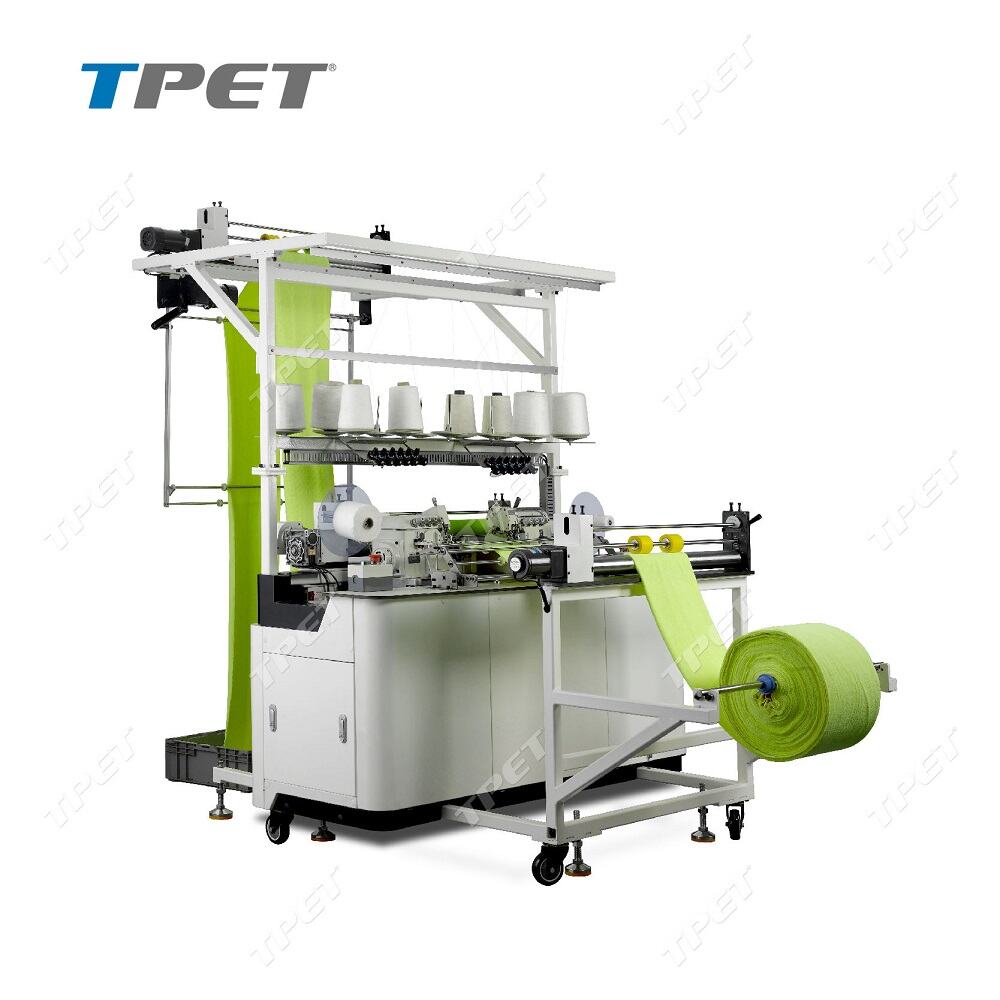
The industrial sewing machine provides a combination of robust durability and precision engineering, allowing it to perform exceptionally for highqty run production within demanding environments. This machine features a heavy-duty frame with the vibration-damping design and a high-torque servo motor that produces smooth and consistent stitching at extended runtime, even when sewing through heavy fabrics, multiple plies and/or synthetic material.

Additionally, it can utilize a variety of stitch types, with adjustable stitch length, stitch tension, and presser foot pressure to obtain precise seam strength and properties. With quick-change feet, automatic thread trimming capability, and an accessible lubrication system for easy maintenance, downtime is minimized. The machine's modular needle bar and durable needle system can accommodate frequent needle changes without losing alignment. The ergonomic and intuitive control interface includes color-coded threading paths for easy user training and technical assistance.

The electronics are protected from overloading by shielded components, which promotes reliability during extended operation. Optional features are available to meet the diverse sewing requirements of a factory, including programmable preset stitch configurations, variable speed servo motors, and enhanced dust collection systems. Safety interlocks and guardrails are found on the machine to comply with industry regulations and make this machine very low-maintenance, allowing for maximum service life and minimum total cost of ownership for factories that require scalable sewing solutions.Industrial sewing machines are highly durable and precisely engineered for continuous use. 

F&Q About Sewing Machine For Industrial Use

What fabrics can this machine sew?

A machine dedicated to the stitching of heavyweight materials is designed to stitch leather, canvas and synthetic garments, as well as denim and numerous other multi-layer composite materials, so that you can achieve consistent, good quality stitches each time you use it.
Yes, the Design focuses on making the machine accessible in terms of having fast & easy access to lubricant locations, modular components, and tool free user removable feet.
Each unit generally has a thorough standard industrial warranty that covers all parts, labour, and labour costs for a minimum of one year, with extended coverage also available as an option.
Certainly! This machine has universal motor options and interfaces to correspond with most production lines.

Get a Free Quote

Our representative will contact you soon.
Email
Name
Company Name
Message
0/1000