The bedding industry is becoming increasingly competitive as manufacturers face rising labor costs, higher quality expectations, and growing demand for faster delivery times. To stay ahead, many textile factories are turning to automation technologies that improve efficiency and reduce manual operations.
One of the most important innovations in modern bedding manufacturing is the fitted sheet machine. Designed to automate processes such as folding, elastic sewing, corner stitching, and cutting, a fitted sheet machine helps manufacturers produce high-quality bedding products with greater speed and consistency.
For companies producing bed linens on a large scale, automation is no longer optional—it is a strategic investment. A fully automated fitted sheet machine can significantly improve production capacity while reducing labor dependency and material waste. This article explores how fitted sheet machines are transforming bedding production and why they are becoming essential equipment for modern textile factories.
A fitted sheet machine is an automated industrial sewing system specifically designed for the production of fitted bed sheets. Unlike traditional manual sewing methods, these machines combine multiple sewing and handling processes into one integrated workflow.
Depending on the machine configuration, a fitted sheet machine can perform tasks such as:
Automatic fabric feeding
Edge folding
Elastic insertion and sewing
Corner forming and stitching
Trimming and cutting
Finished product stacking
By automating these operations, manufacturers can dramatically reduce manual handling and improve overall production efficiency.
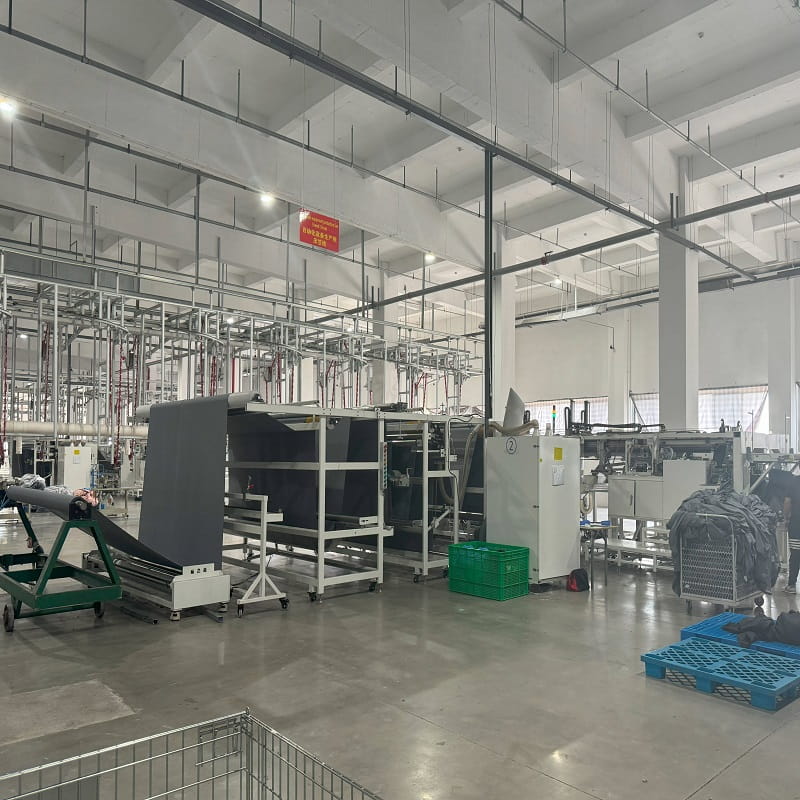
One of the biggest advantages of using a fitted sheet machine is the significant increase in production speed. Traditional fitted sheet manufacturing requires several workers to complete different sewing and handling tasks. This process is time-consuming and can create bottlenecks in production.
An automated fitted sheet machine streamlines the entire workflow into a continuous operation. With fewer interruptions and reduced manual adjustments, factories can produce a much larger number of fitted sheets in less time.
High-speed automation also allows manufacturers to meet large-volume orders more efficiently, especially during peak retail seasons. Faster production cycles help businesses improve delivery performance and customer satisfaction.
Labor shortages and rising wages continue to challenge textile manufacturers worldwide. Bedding production often requires repetitive sewing operations that demand experienced workers. Finding and retaining skilled labor can become expensive and difficult.
A fitted sheet machine reduces the need for manual labor by automating repetitive sewing tasks. Instead of multiple operators working on different stages of production, one or two workers can supervise the automated system. For manufacturers looking to maintain profitability while controlling expenses, automation offers a practical long-term solution.
Consistency is critical in bedding manufacturing. Customers expect fitted sheets to have accurate dimensions, smooth elastic sewing, and durable stitching. Manual sewing processes often lead to variations in quality due to operator fatigue or inconsistent handling.
Automated fitted sheet machines use programmable settings and precision controls to ensure consistent production results. Every fitted sheet is sewn according to the same specifications, reducing quality defects and minimizing product returns.
Consistent stitching and precise elastic placement also enhance the appearance and durability of the final product. This helps manufacturers strengthen their brand reputation and maintain high customer satisfaction.
Fabric waste is a major cost factor in textile manufacturing. Manual cutting and sewing operations can lead to inaccurate measurements, uneven trimming, and unnecessary material loss.
Modern fitted sheet machines are designed with advanced positioning and cutting systems that optimize fabric usage. Precise automation reduces errors and improves material efficiency throughout the production process.
Consumer demand in the bedding market continues to evolve, with customers seeking different mattress sizes, fabric types, and customized designs. Manufacturers need flexible production systems that can quickly adapt to changing requirements.
Advanced fitted sheet machines allow operators to adjust settings for various sheet dimensions and production specifications. This flexibility enables factories to switch between product types with minimal downtime.
As a result, manufacturers can efficiently produce:
Twin fitted sheets
Queen and king-size sheets
Hotel bedding products
Custom-sized bedding
Different fabric materials
Flexible automation helps businesses respond faster to market trends and customer demands.
Investing in automation technology gives bedding manufacturers a strong competitive advantage in the global textile market. Faster production, consistent quality, and lower operating costs allow companies to improve profitability while offering better products to customers.
A fitted sheet machine can also support business growth by increasing production capacity without significantly expanding the workforce. Manufacturers can take on larger orders, enter new markets, and improve overall operational efficiency.
As automation technology continues to advance, companies that adopt intelligent sewing solutions will be better positioned for long-term success.
Automating bedding production with a fitted sheet machine offers numerous benefits for textile manufacturers. From increasing production speed and reducing labor costs to improving consistency and minimizing fabric waste, automated sewing technology is reshaping the future of bedding manufacturing.
For companies seeking greater efficiency, higher product quality, and sustainable growth, investing in a fitted sheet machine is a smart strategic decision. As the bedding industry continues to evolve, automation will play an increasingly important role in helping manufacturers stay competitive in a demanding global market.

The TPET ET-6620 Automatic Pillow Cover Machine (US Type) is a high-efficiency, intelligent solution designed to revolutionize the production of American-style pillowcases, tailored to meet the demands of modern textile manufacturing. Built for speed...

The TPET ET-5816/GG 2nd Generation Automatic Terry Towel Length Hemming Machine is a state-of-the-art solution designed to revolutionize towel production efficiency and quality. As the main drafting unit of the industry standard “Automatic towe...

The ET-6628 Envelope Pillow Case Machine: A Milestone in Automated AB-Side Envelop Production From TPET Company.In the competitive landscape of modern textile manufacturing, efficiency, precision, and versatility are paramount. The ET-6628 Envelope P...

Equipped with advanced magnetic navigation technology, the autonomous vehicle ensures accurate path following and stable operation.

This automatic delivery vehicle is equipped with magnetic navigation technology and is designed for seamless integration with production lines.

 EN
EN