EN
EN


Content
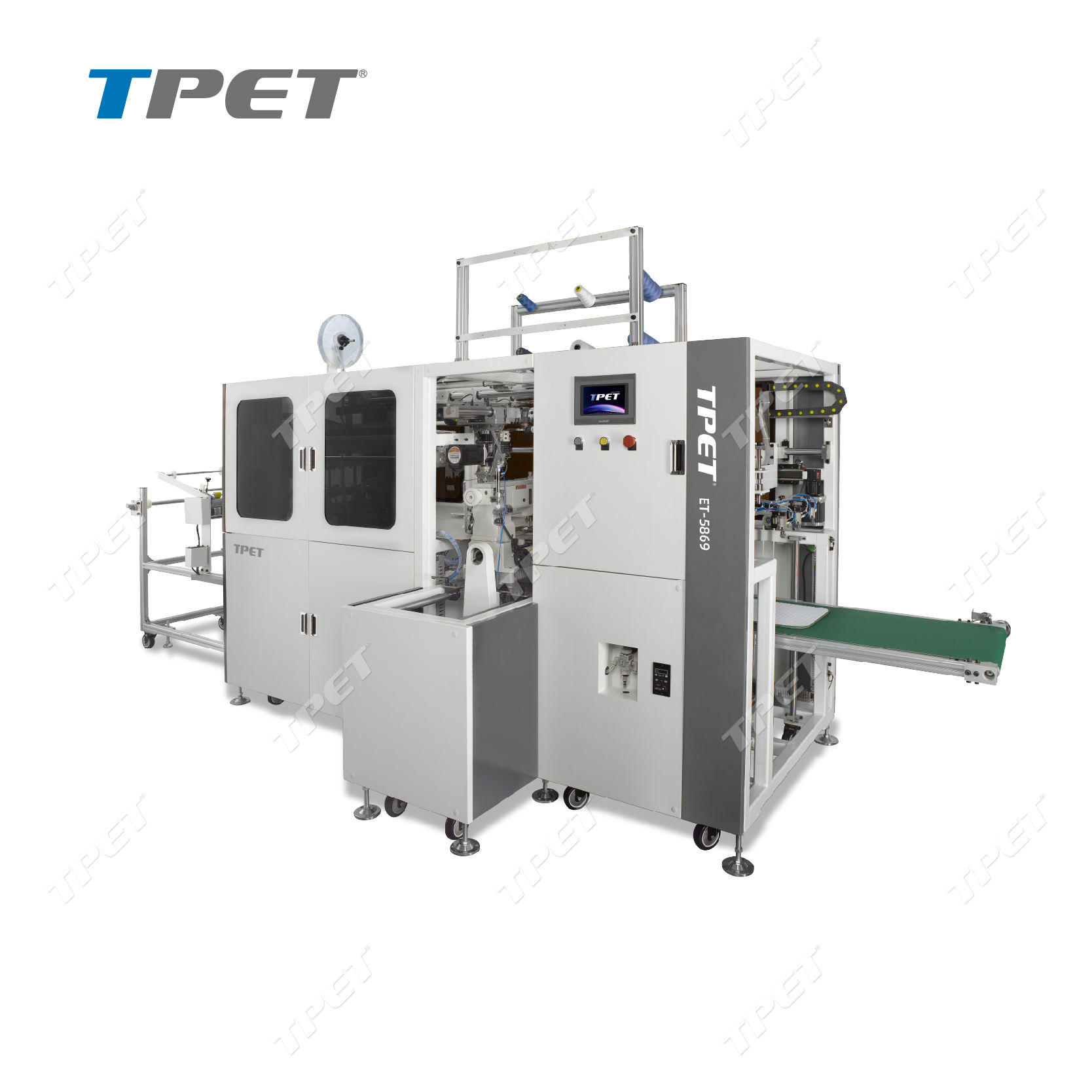
The ET-6628 Envelope Pillow Case Machine: A Milestone in Automated AB-Side Envelop Production From TPET Company.
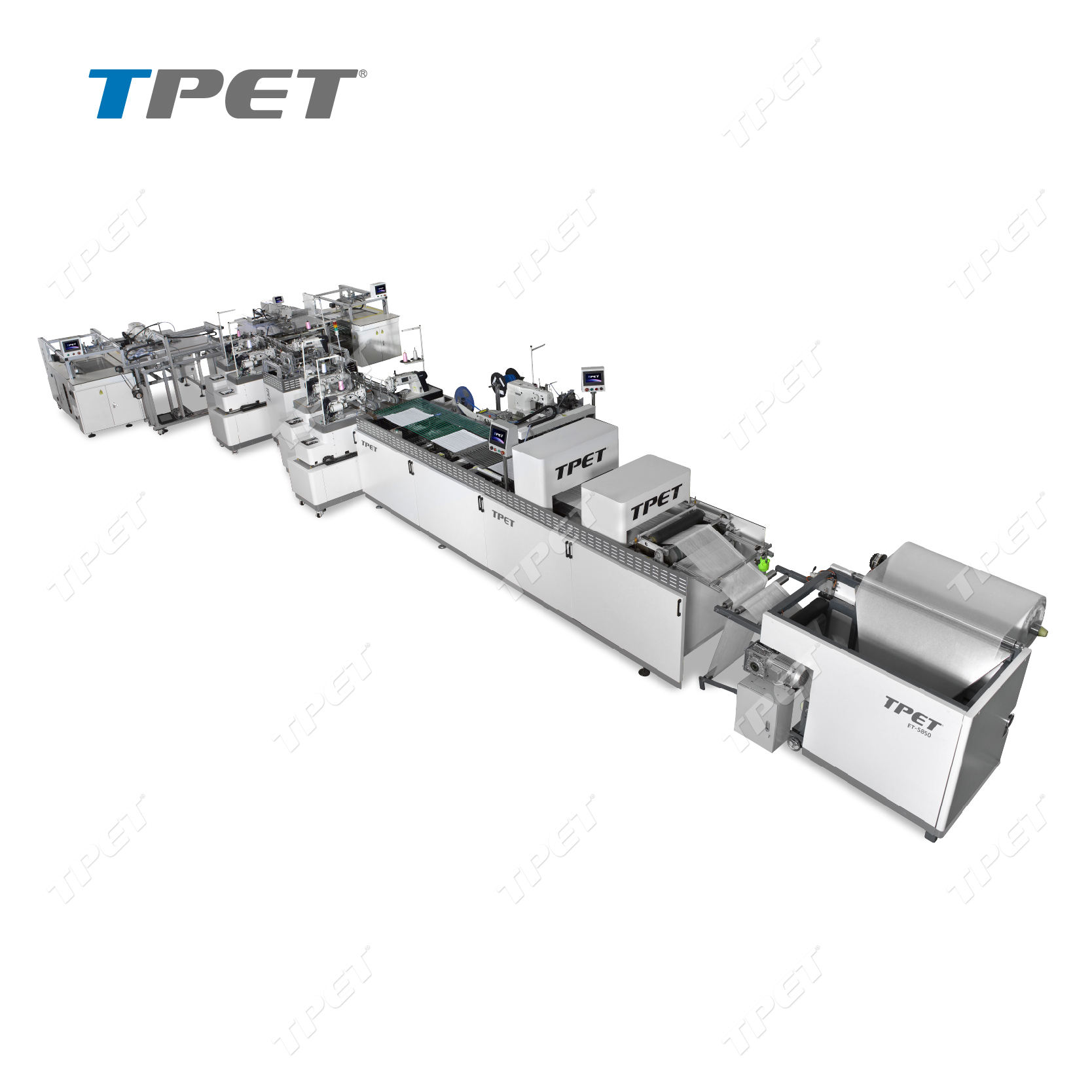
In the competitive landscape of modern textile manufacturing, efficiency, precision, and versatility are paramount. The ET-6628 Envelope Pillow Case Machine for AB Sides, developed by TPET, stands as a testament to how intelligent engineering can revolutionize a traditional craft. This fully automated system is not merely a sewing machine; it is an integrated production line designed to produce high-quality pillowcases with two distinct sides (AB sides) in an envelope style, catering to diverse bedding markets worldwide.
Unmatched Automation and Intelligent Control
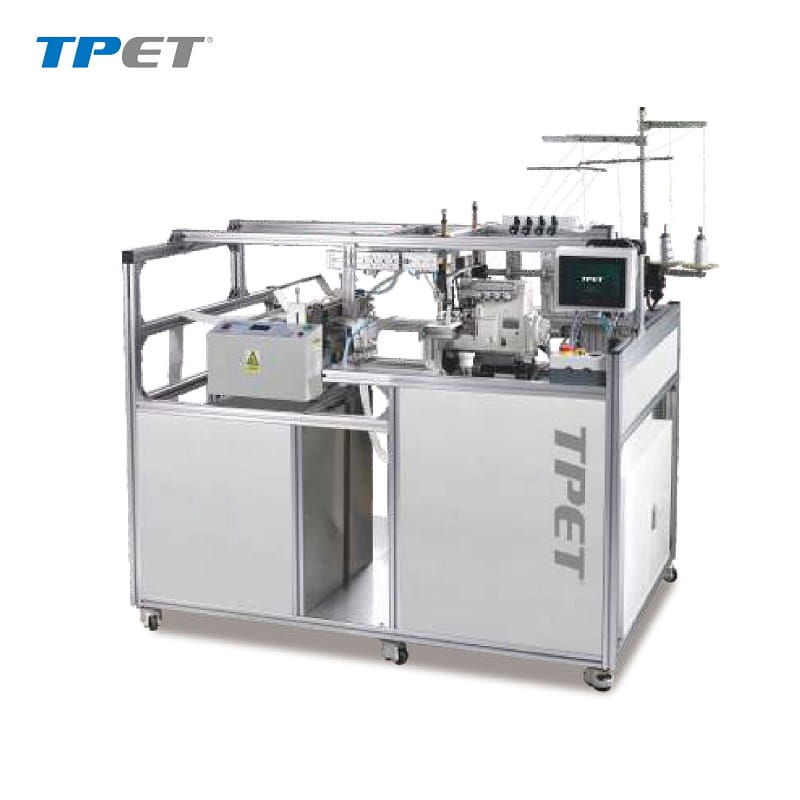
At the heart of the ET-6628 lies its ability to synchronize multiple operations that once required separate workstations. The machine feeds several rolls of fabric of varying dimensions simultaneously, eliminating manual handling and reducing material waste. Its automatic edge-folding and hemming mechanism ensures a clean, professional hem with over-lock stitching—a standard that guarantees durability and aesthetic appeal.
What truly sets this model apart is its seamless integration of cutting, splicing, labeling, and stitching into one continuous process. Unlike conventional setups where each step demands human intervention, the ET-6628 performs these tasks in a single, fluid workflow. This not only boosts production speed but also ensures consistent quality, as every pillowcase adheres to the same exacting standards. The built-in intelligent system, operated via a user-friendly touchscreen, allows operators to adjust settings with a single click. Whether changing fabric types or modifying size parameters, the interface reduces setup time to a minimum, making it accessible even for less experienced staff.
Robust Technical Specifications
Designed for industrial-scale output, the ET-6628 delivers an hourly productivity of 450 to 600 pieces, making it an ideal choice for medium to large manufacturing facilities. Its technical backbone is equally impressive: with a total weight of 4.5 tons and dimensions of 850×630×240 cm, this machine occupies a substantial but efficient footprint. It operates on a 380V power supply, drawing 16 kW, and requires a pneumatic pressure of 0.6 MPa to drive its various actuators.
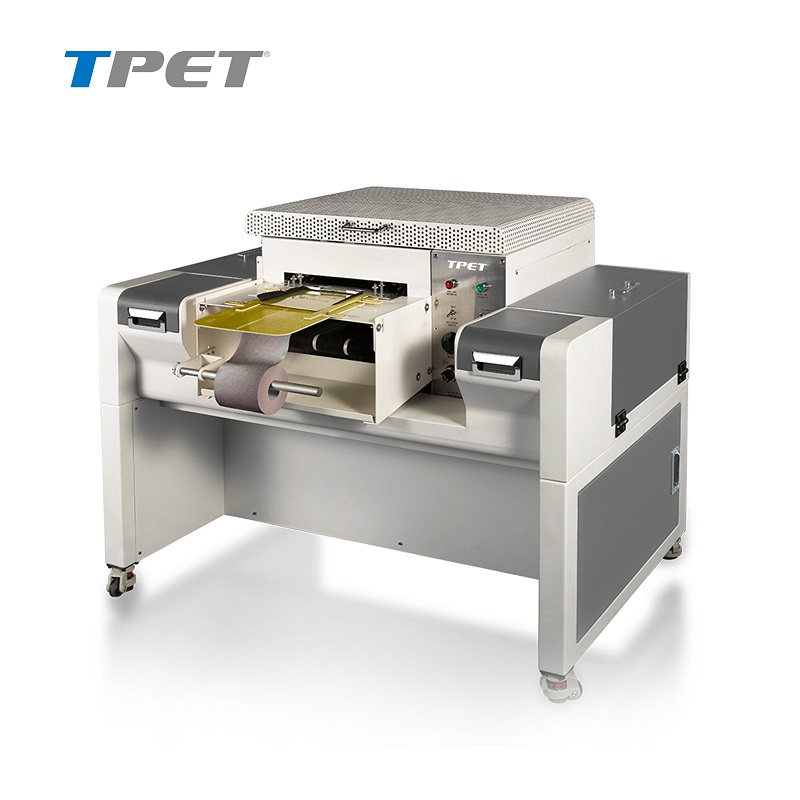
The machine’s modular architecture comprises five core components: the feeding device, rectifying correction system, long sewing unit, cross sewing unit, and collection device. Each module is precisely engineered to handle fabric tension, alignment, and stitching with sub-millimeter accuracy. The rectifying correction system, in particular, ensures that fabric layers remain perfectly aligned throughout the process—a critical factor when dealing with two different side materials that must match flawlessly.
Flexibility in Size and Labeling
One of the most compelling features of the ET-6628 is its adaptability to a wide range of product dimensions. It accommodates pillowcase lengths from 40 to 100 cm and widths from 40 to 90 cm, covering most standard and custom bedding requirements. Additionally, the labeling unit can handle tags up to 7 cm in length and 4 cm in width, allowing manufacturers to include brand logos, care instructions, or size information without interrupting the production flow. This flexibility eliminates the need for separate labeling equipment, further streamlining the factory floor.
A Legacy of Innovation
TPET’s commitment to research and development is reflected in the machine’s intellectual property portfolio: the ET-6628 is backed by one authorized invention patent and four utility model patents. These protections underscore the originality of its mechanisms—from the synchronized multi-roll feeding to the proprietary stitching algorithm that ensures consistent tension and thread quality. The machine’s overlock stitch, produces a refined finish that rivals handcrafted quality while surpassing it in uniformity and speed.
Conclusion
The ET-6628 Envelope Pillow Case Machine represents a strategic investment for manufacturers seeking to elevate their production capabilities. By merging automation, intelligence, and mechanical precision, it not only reduces labor costs and cycle times but also delivers a product that meets the highest aesthetic and functional standards. As the textile industry continues to evolve toward smart factories, the ET-6628 stands ready to lead the way—proving that even a centuries-old craft like sewing can be reinvented through innovation. For businesses aiming to scale up while maintaining exclusivity in design, this machine is not just equipment; it is a competitive edge.