Heavy Industrial Sewing Machine: 4x Faster, Zero-Skip Seams

Overview of Heavy Industrial Sewing Machine

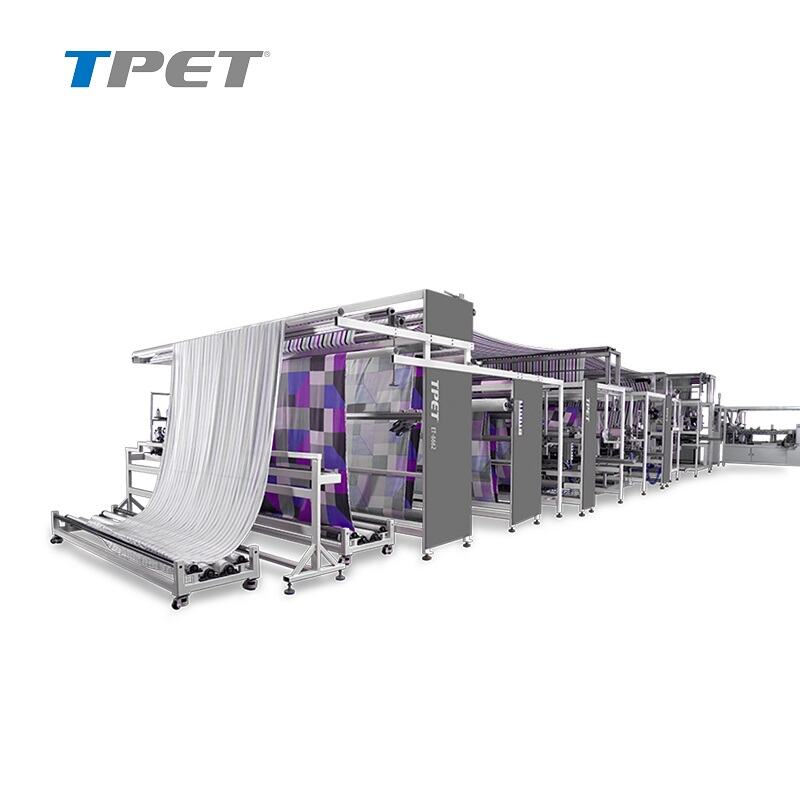
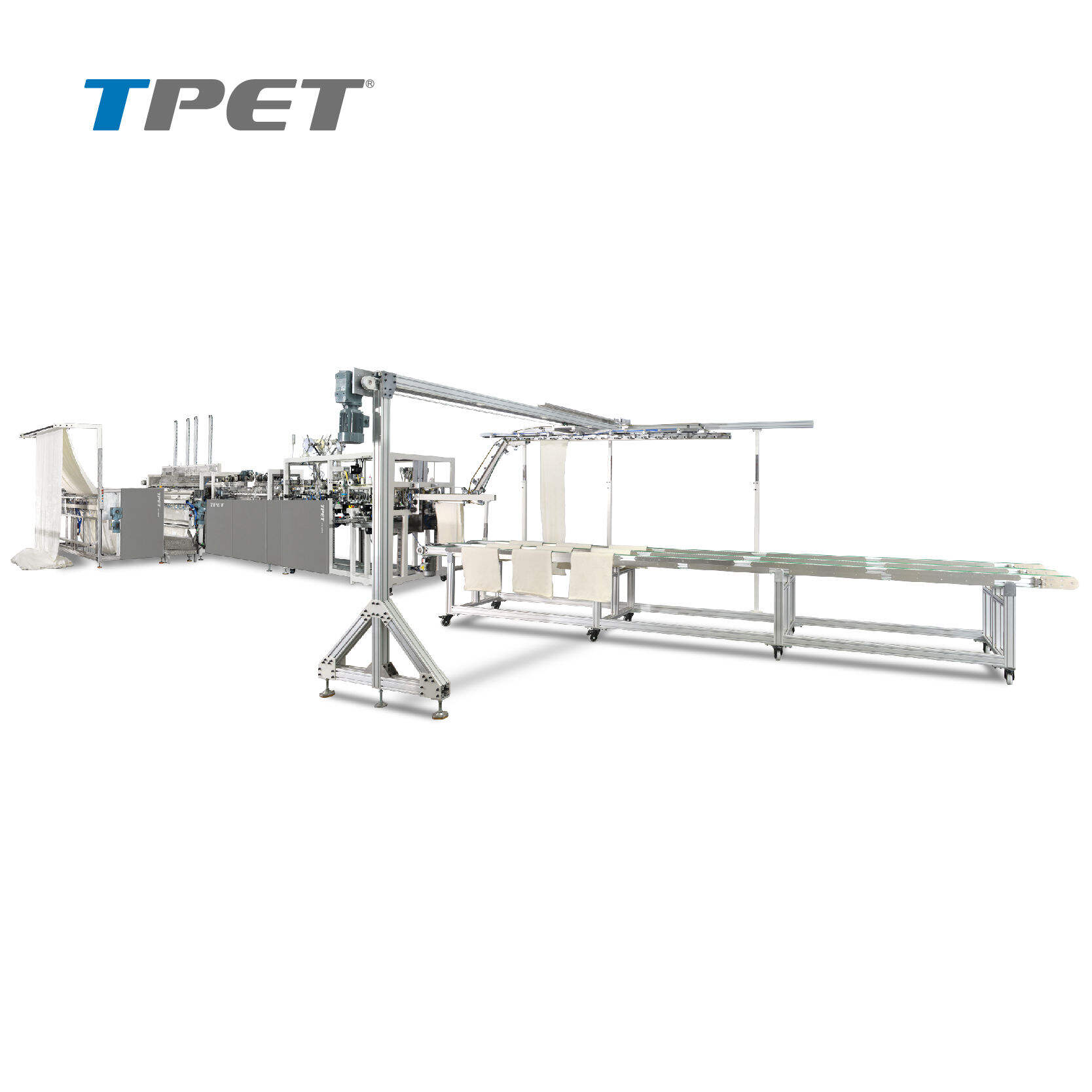
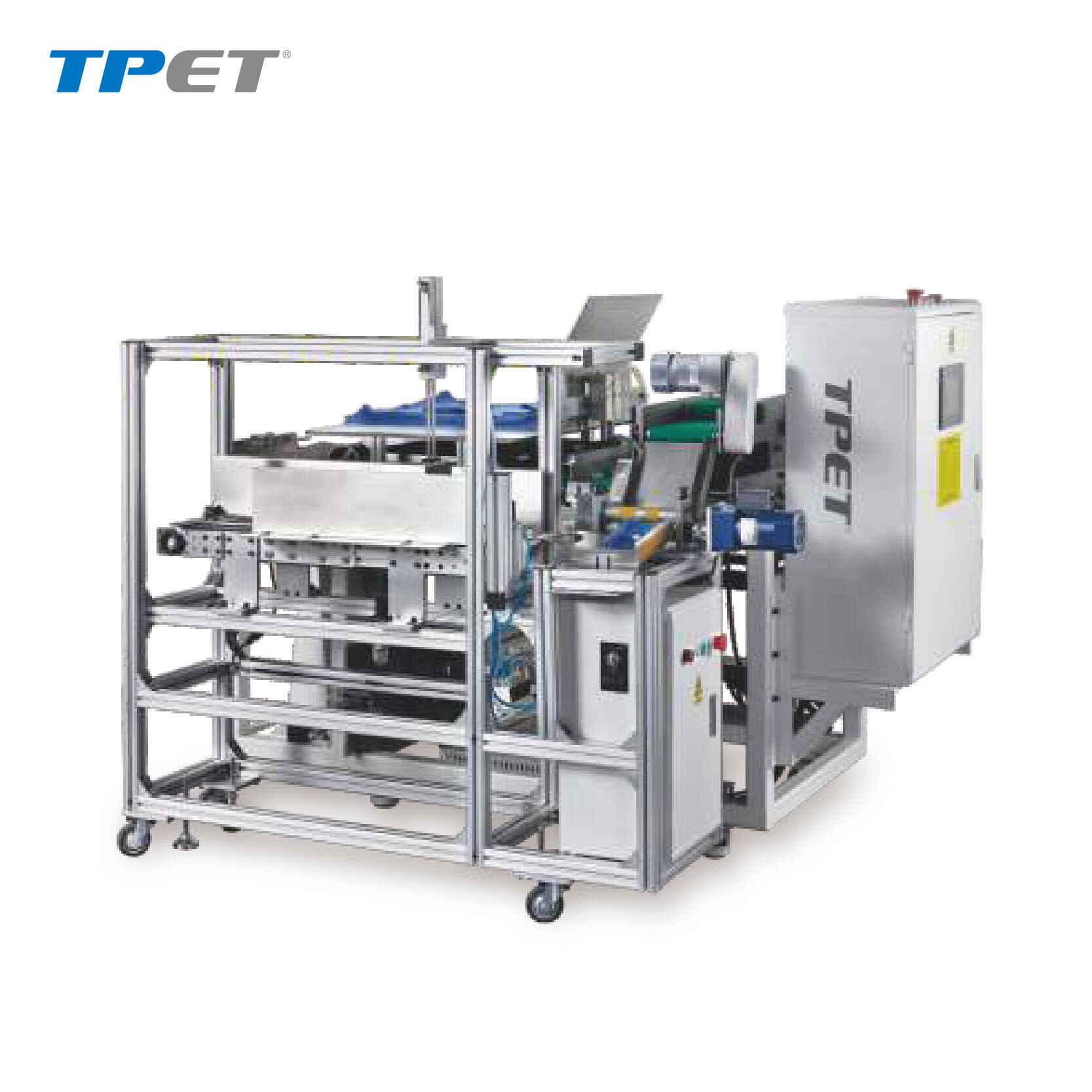
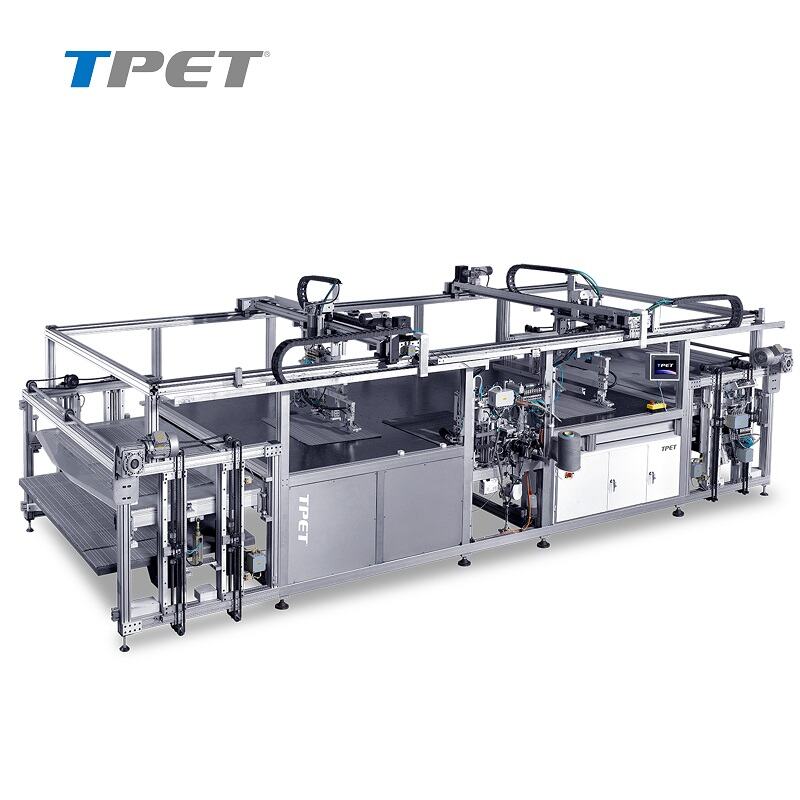
The heavy-duty industrial sewing machine is engineered to provide high-speed stitching capabilities with seamless results for textiles, leathers, upholstery, and more. Featuring a rugged metal frame, a heavy-duty motor, and an advanced feed system that create consistent stitch quality at high speed while limiting vibration and operator fatigue, the machine is able to accommodate multi-layer fabrics and heavy weight denims, canvas, vinyl, and synthetic leather through the adjustment of presser foot pressure, thread tension, and length of stitches. This industrial sewing machine uses recognizable parts for easy maintenance, minimal downtime, and a long life expectancy. It is suitable for clothing production lines as well as upholstery shops, automotive interiors, and bag manufacturing businesses and provides reliable, efficient, and superior strength seams for optimal performance.
Get A Quote

Advantages of Heavy Industrial Sewing Machine

Robust Construction

Designed with a heavy-duty frame/machined body with supportive joints and precision bearings to keep weight off of the top of the machine while under load, the construction prevents flexing as a result of extremely heavy loads placed on the machine during operation.

High-Speed Performance

This machine works using Industrial Speed While Maintaining Thread Tension and Stitch Density to provide the most efficient use of cycle time, maintaining the highest quality of stitching possible.

Versatile Material Handling

This machine is built specifically for making items out of heavy materials, so it has the ability to stitch denim, leather, vinyl, and other thick fabrics easily.

Easy Maintenance

The easy access to oil points, modular designs, and clear service guidelines means proper maintenance will be easier to perform than before.

Heavy Industrial Sewing Machine

This heavy-duty industrial machine has been designed to be extremely reliable for use in many different industrial environments and provides a rigid frame, a high-torque motor, and a precise feed mechanism. Therefore, this combination allows for a consistent and constant stitch quality through varying material layers of material such as heavy weight denims, Canvas Materials, Only Leather Materials, as well as most all synthetic-based composite Materials.

In addition, users can alter their settings of presser feet, stitch length (adjustable), and thread tension controls for every specific job, as well as produce low needle-breakage rates and very little thread-breakage for all types of sewing applications. This heavy-duty sewing machine has a user-friendly control system and produces very little vibration, resulting in less fatigue on the operator during extended periods of operation. The machine can be serviced easily with accessible lubrication points, modular parts, and scheduled maintenance checks.

This unit has the versatility of accommodating multiple layers of materials for top stitching, fabric edging, and building heavy creating seams for any of the following types of businesses: Garment Factories, Upholstery Shops, Bag manufacturing Companies, Automotive Product Supplier, etc. The machine will work with all types of standard industry needles, thread types, and bobbin types without the need for custom modifications to be made to the machines, only minor changes will be necessary to integrate them into an existing line. 

F&Q About Heavy Industrial Sewing Machine

What materials can this machine stitch?

This sewing machine, used in heavy industrial applications, can sew many materials, such as heavy denim, canvas, leather, vinyl, and composite materials with multiple layers.
The machine has adjustable stitch length capabilities based on the model and can allow different stitching types to be accomplished with precision up to several millimeter increments between stitches, invoking rapid manufacturing cycles.
Yes. The machine can withstand the rigors of upholstery work. The unique characteristics that allow for this capability include a rigid dual steel frame, a high-torque motor, and a durable feeding mechanism.
The regular maintenance tasks include: lubrication; checking for wear on the belts; checking both needles and threads; checking to calibrate the tension on a periodic basis.

Get a Free Quote

Our representative will contact you soon.
Email
Name
Company Name
Message
0/1000