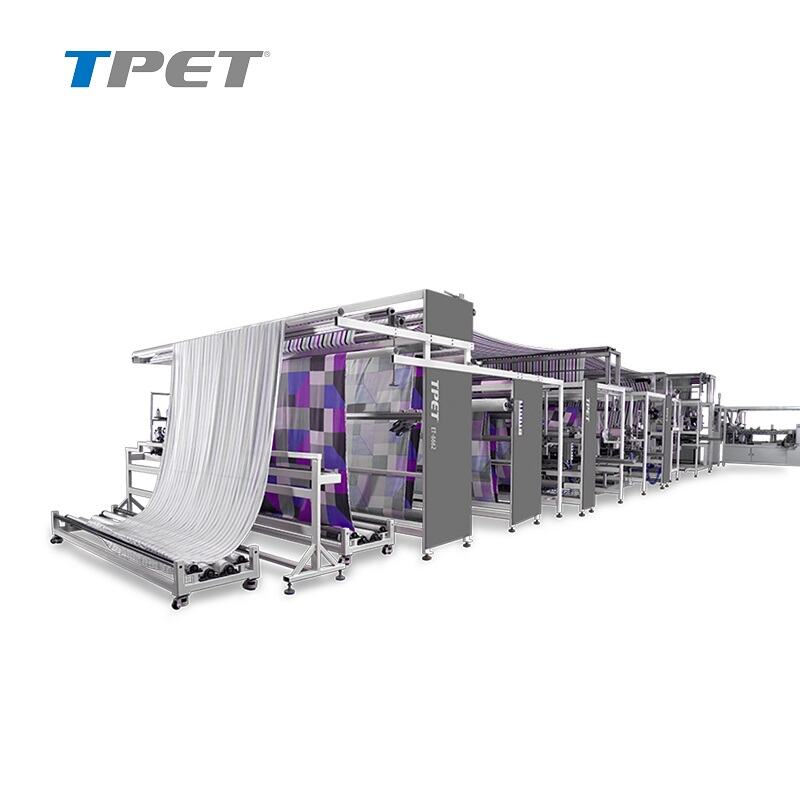
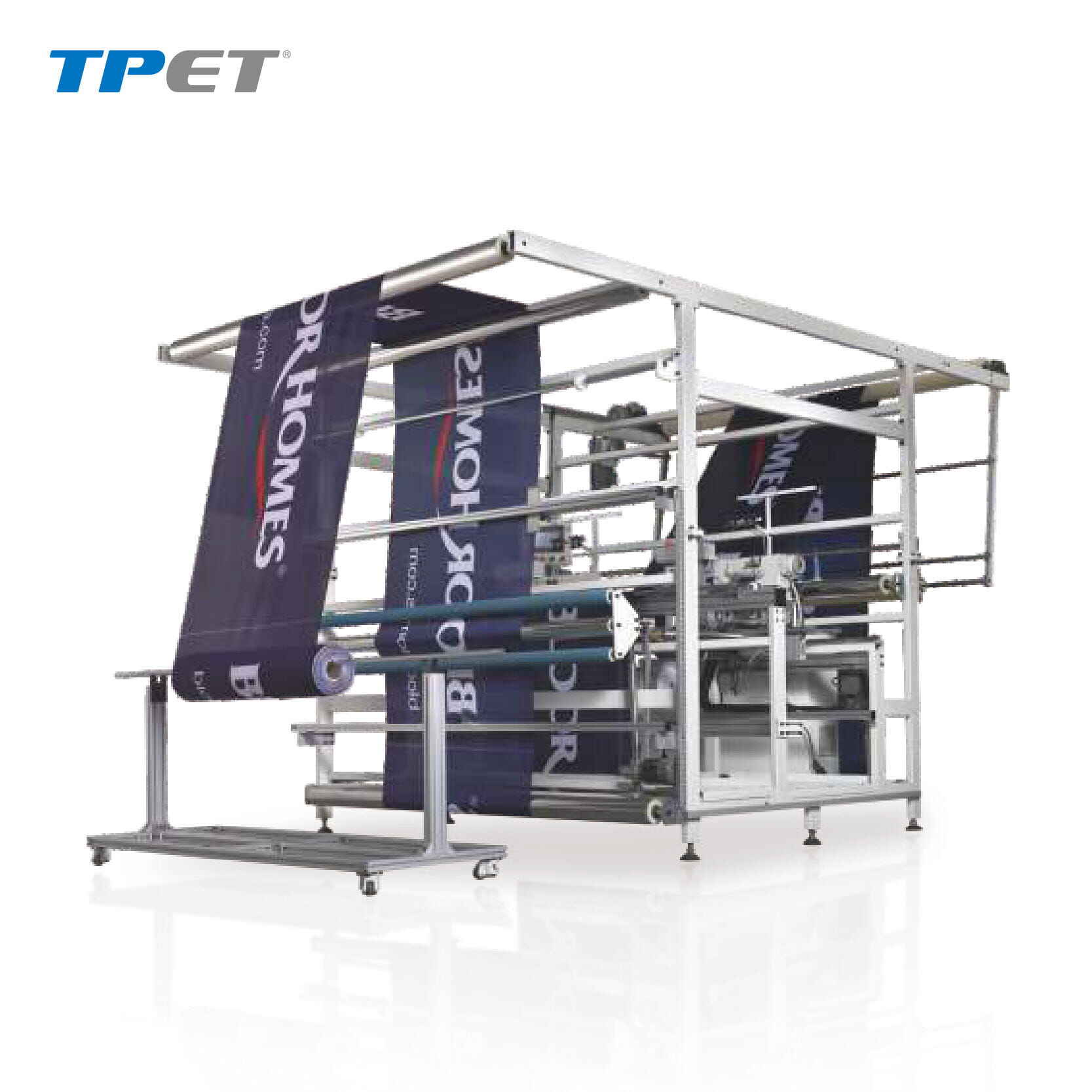
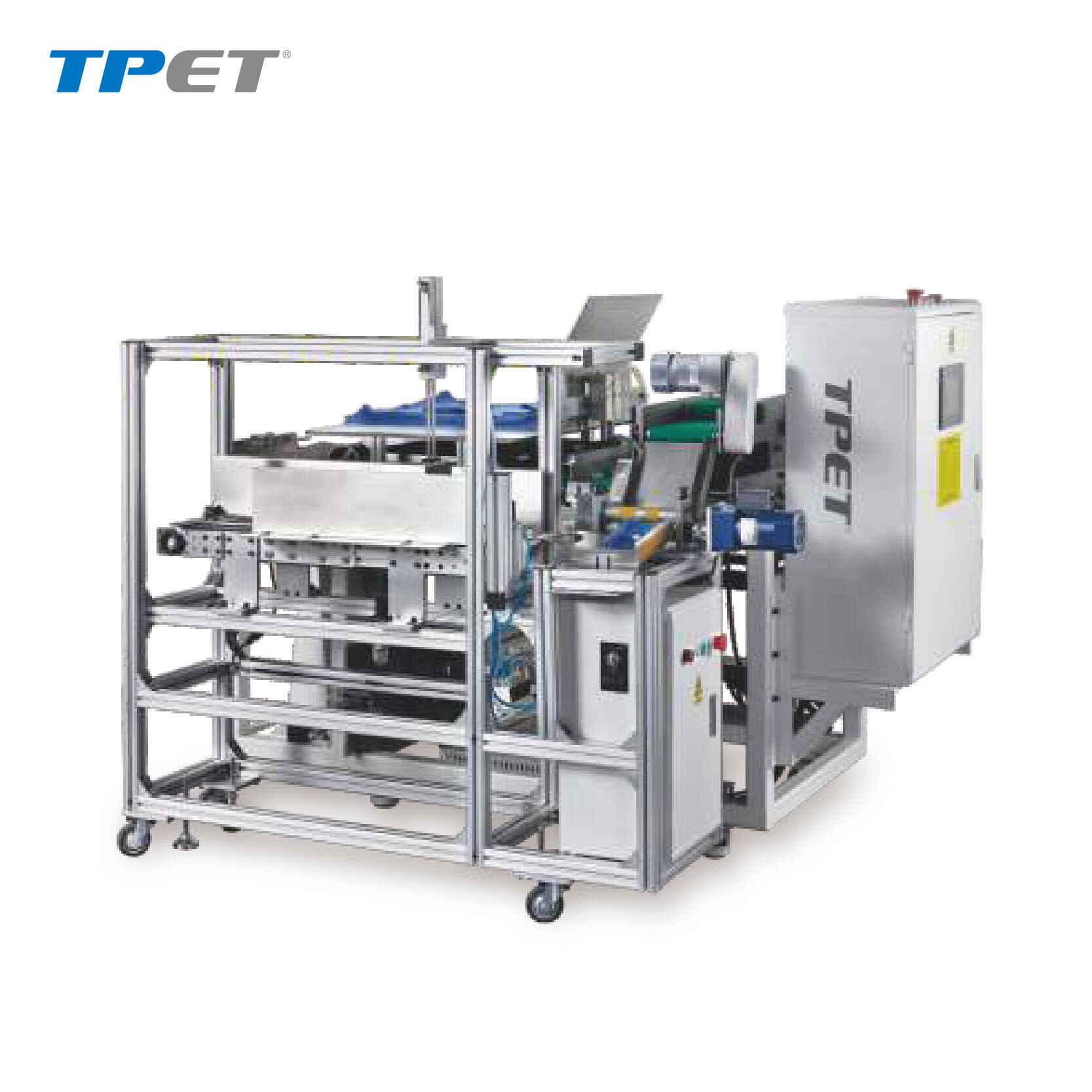
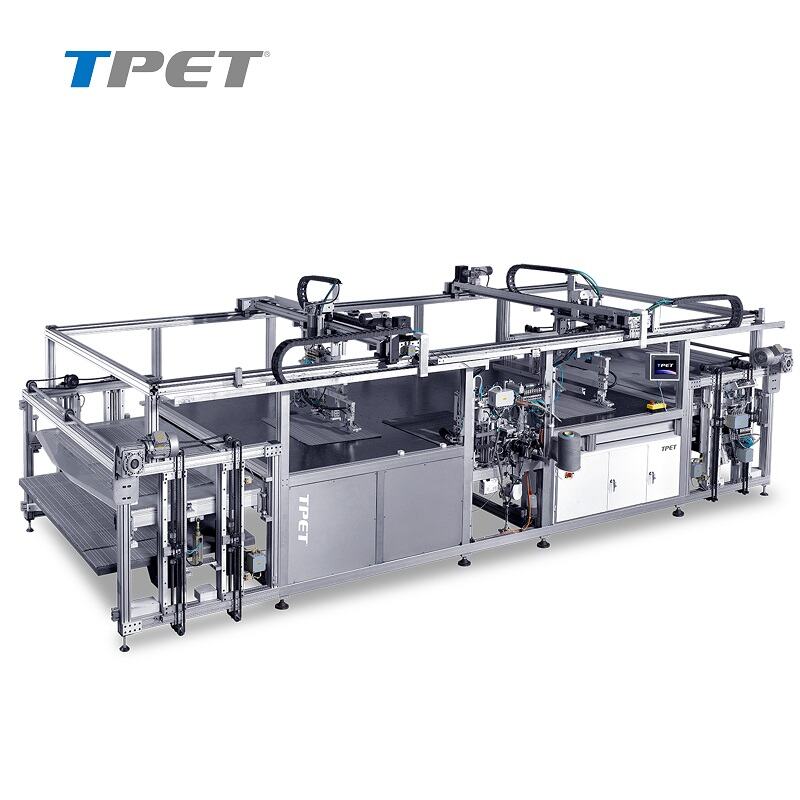
Industrial Hemming Machine: Precision, Speed & Versatility

Overview of Industrial Hemming Machine

Industrial hemming machines are designed for mass-production of high-quality hems and finishing on all types of fabrics such as denim, wool, silk, polyester, and leather. They feature an extensive range of features including high-speed stitching, automatic thread tension adjustment, automatic needle/lower thread position setting, and adjustable stitch length/density adjustment. Both the machine and the operator use ergonomic controls to help prevent fatigue while they operate the machine in the same way throughout an entire production run. Industrial hemming machines support a wide variety of fabric weights, from lightweight linen through heavy denim. Hem types include blind hem, edge hem, rolled hem, and double-stitched hem. Durable frames and low-maintenance parts provide continuous production capacity for manufacturing apparel, upholstery, and automotive products running at very narrow margins of tolerance.
Get A Quote

Advantages of Industrial Hemming Machine

Precision and Consistency

The machine features adjustable feed timing capabilities, stitch length control capabilities, synchronized needle movements, and more.

Versatile Hem Styles

With the help of interchangeable presser feet and pre-programmed stitch patterns, the machine can sew rolled hems, turned hems, blind hems, and create an edge hem.

High Throughput and Reliability

Designed for prolonged operation, the machine has powered feed, servo motors, and a sturdy frame that minimizes vibration.

Ergonomics and Easy Operation

By incorporating a user friendly control panel which is also adjustable for working height, plus an easy to get to jog mode will lessen operator fatigue.

Industrial Hemming Machine

The industrial sewing machine utilized for hemming incorporates a combination of proven mechanical design along with intuitive controls to create reliable hems on an extensive variety of materials. The machine's frame consists of high grade steel with a powder finish ensuring corrosion resistance in tough working environments. A servo-controlled feeding mechanism and synchronized needle action allow for precise hems at maximum speed, while an adjustable presser foot tension accommodates for different weight fabrics. There are many options of hemming styles, all supporting a modular foot system, as well as an add-on rolling hem module for unique applications.

Touch-screens allow for seamless operation, ensuring straightforward access to stitch patterns, job tickets and production counters. By utilizing a standard protocol for data transmission, all of these operations can be logged and scheduled easily by connecting directly with factory networks. The safety features of this model include: emergency stop button, light curtains, and safe-throw needle guards. The quick set up and changeover process has been made possible by the use of color-coded reference guides and tool-free components.

Additionally, this machine can be easily integrated into automated production lines with the addition of robots to handle fabric, auto-thread trimming capabilities, and remote diagnostics options. With minimal servicing and ample stock of component parts, you can expect to achieve consistent performance while minimizing downtime due to fabric defects in garments, furniture upholstery and automotive interiors.


F&Q About Industrial Hemming Machine

What materials can the hemming machine handle?

FAF handles several different types of fabrics and lighter leathers such as cottons, polyester-blends, wools, denims, synthetics, and pleather.
The type of fabric, hem style, and operator expertise will determine throughput; however, the typical high-speed production rates and consistent cycle times will mean that the machine will be set for these production environments.
Routine maintenance is simple and consists of daily lubrication of moving parts, checking the thread paths, and replacing worn presser feet where necessary.
Hemming machines can be set up with corresponding PLC interfaces and/or connections to factory networks, making this possible to share data between machines and ERP systems, as well as with robotic loaders.

Get a Free Quote

Our representative will contact you soon.
Email
Name
Company Name
Message
0/1000