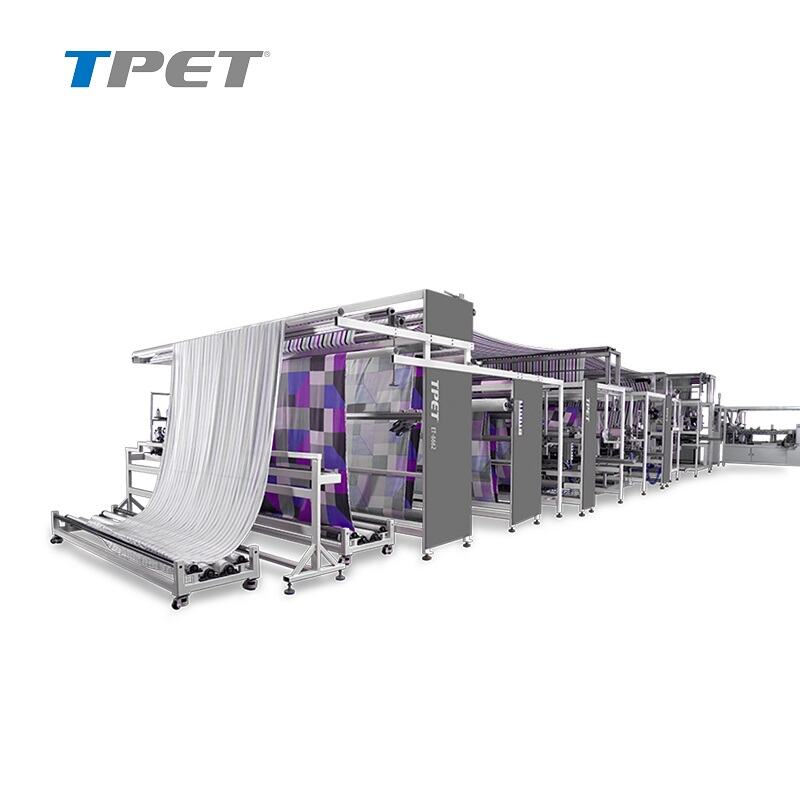
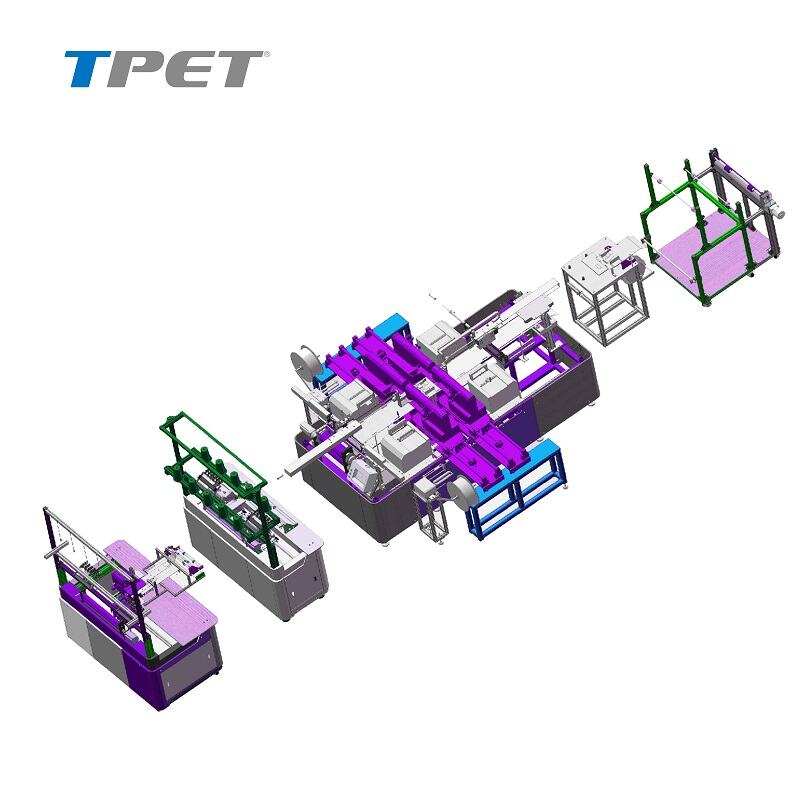
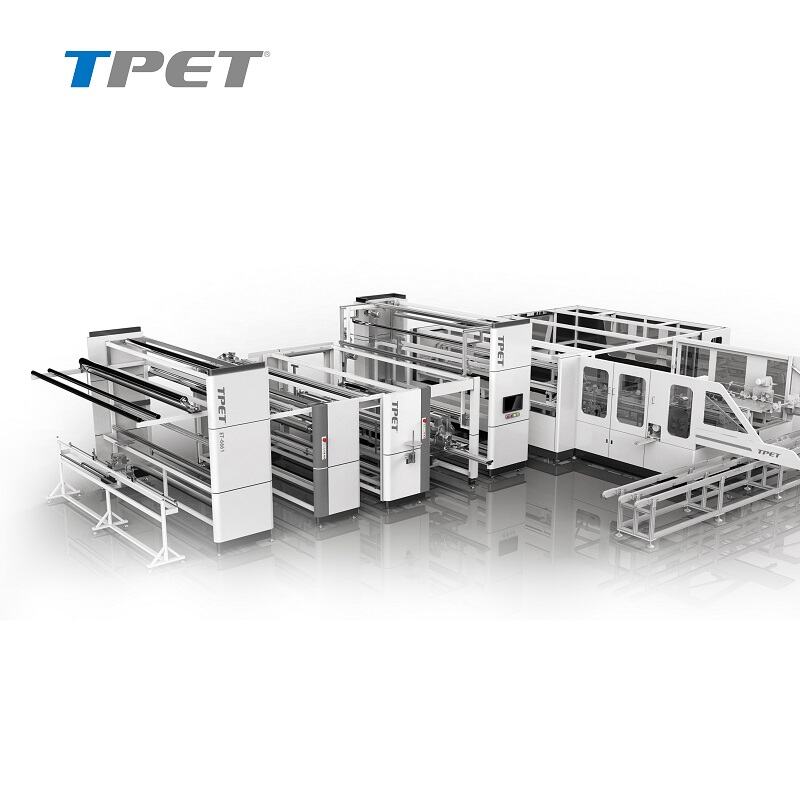
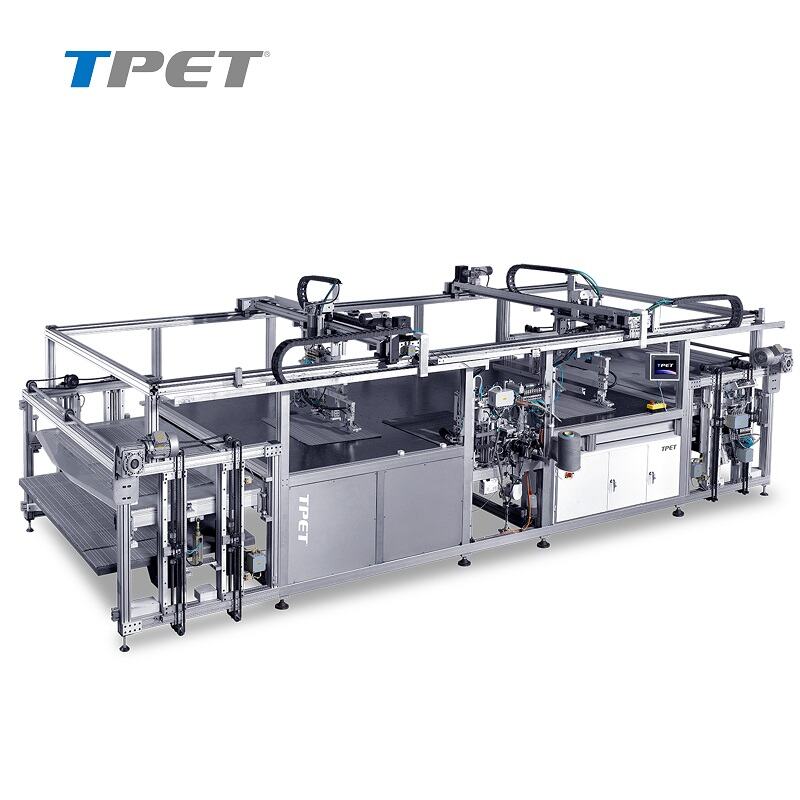
Sewing machines used in mass production are engineered to allow for continuous, high-volume stitching in the textile and apparel manufacturing industries. This type of machine is built upon a sturdy, vibration-dampening framework and utilizes high-torque servo motors along with computerized controllers to provide precise timing of the needle, thread path, feed dogs and fabric advance. Sewing machines can operate multiple heads at once and are synchronized with conveyor belts, and include features for automated trimming and cutting of thread and automated quality checks to improve operational efficiency.
In addition to providing multiple types of stitch patterns (from lockstitch to coverstitch), sewing machines can be programmed to repeat specific stitch lengths, providing the ability to produce thousands of garments with consistent branding. Because of their design, customer-defined tooling can be changed quickly, modular presser feet can be fitted easily, and the tension setting can be adjusted quickly, providing fast changeovers between various sizes and styles.

 EN
EN