Typical Industrial Sewing Machine: Durable, High-Speed & Versatile

Overview of Typical Industrial Sewing Machine

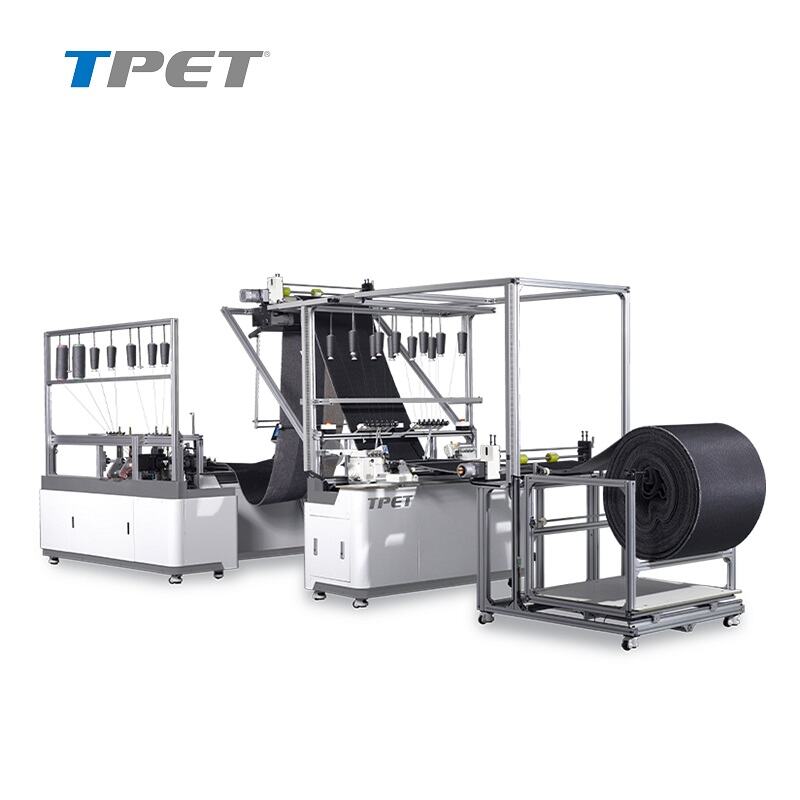
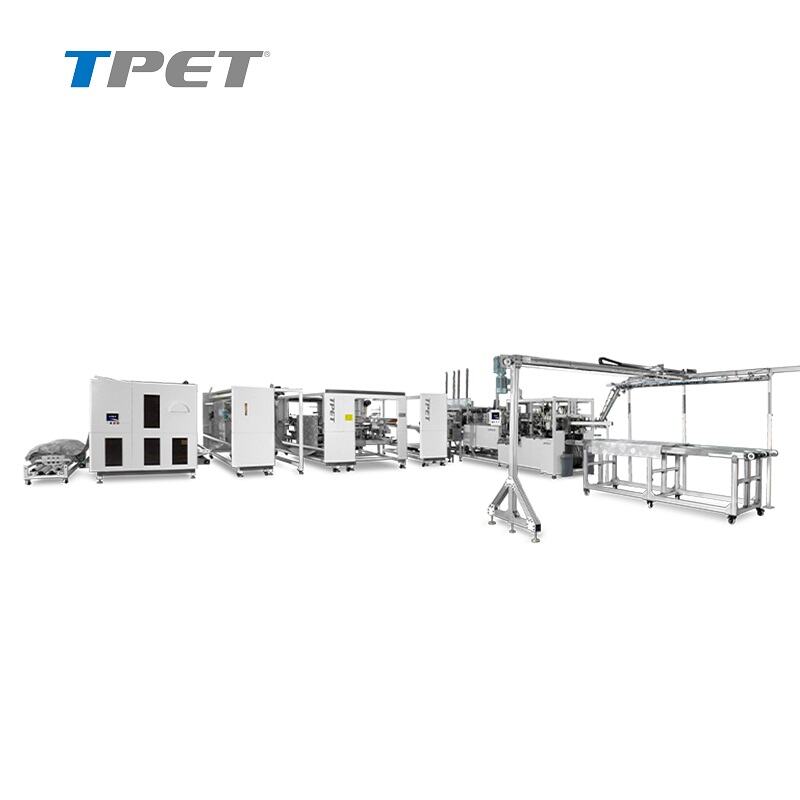
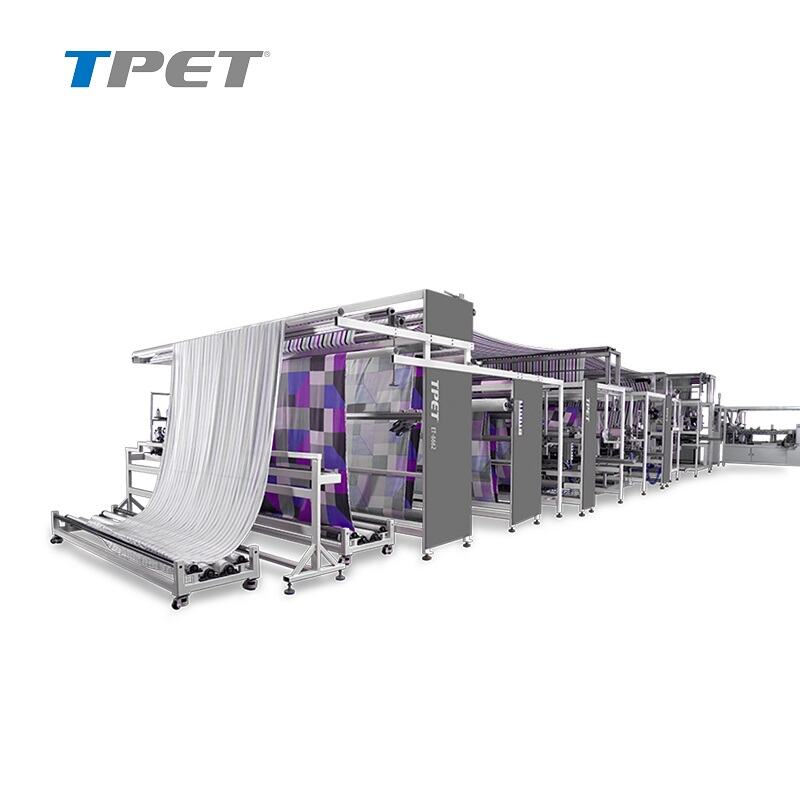
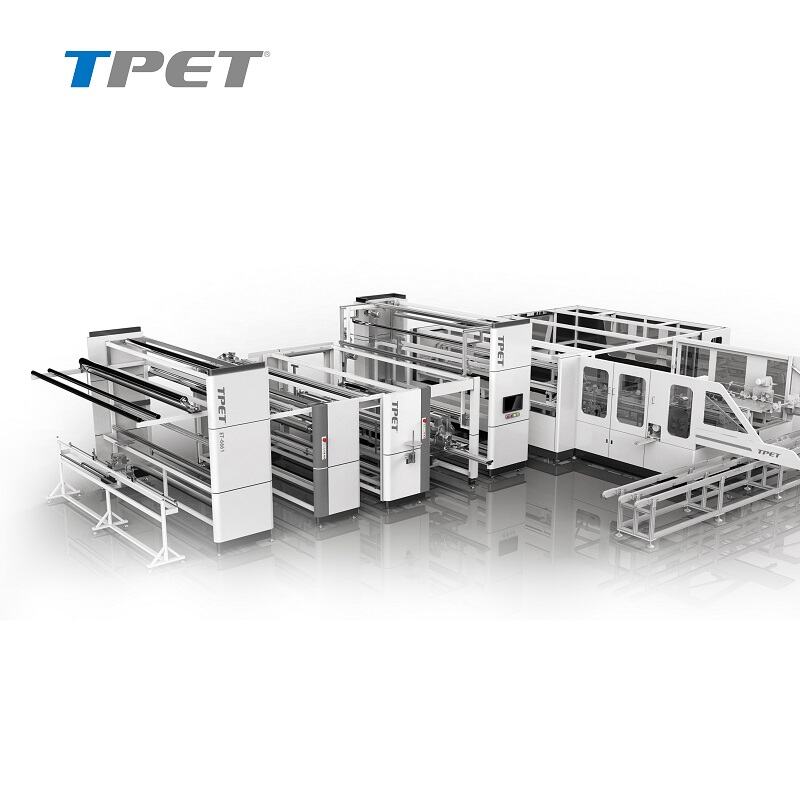
Built for mass-marketing, the primary use for all industrial sewing machine is to produce all types of clothing and fabric materials; Fabrics like blankets, jackets, pants, etc.; Upholsteries like Rugs, Furniture, car seats, curtains, etc.; Leather items; and lastly, all types of composite fabrics. This machine has an all cast-iron frame, a robust motor and a machine's Needle Bar is manufactured to precision to ensure the quality of stitches. Multiple weights of fabrics are fed into the machine efficiently, providing the machine with a means of complete tension management and consistent, quality seam results even after prolonged use in long term buildings or other work settings as well as under high conditions of use;
Get A Quote

Advantages of Typical Industrial Sewing Machine

Durable Construction

The construction of this machine consists of a strong steel casing and industrial quality parts that will protect against flexing and vibration during continuous use. The precision machining and added strength at the joints will provide for long-term stability and accuracy in needle position, whilst providing minimal wear on components, even when the machine is fed at high speeds and heavy fabric assemblies are being sewn through multiple layers.

Precise Stitching

For even seams on all types of fabric and weights, an adjustable take-up and a stable presser foot with a precise stitch length control give you a sensitive tension system that produces small differences between stitches, fewer skips, and a reliable workhorse for all kinds of denim, canvas, leather and fine fabrics.

High Speed and Efficiency

Built For High Volume Use, its high speed stitches along with its low noise levels make for a smooth operation. Having an Improved lubrication method and lower vibration Jason is Less prone to stopping which increases cycle Time and saves Electricity to allow for extended productions and repeatability in the Product.

Versatility and Reliability

Since it seamlessly integrates with a variety of stitch types and accessories (i.e. walking feet, top feed options, different needle sizes), it can swiftly adjust to work with various types of products; simple serviceability, the use of standard parts and modular designs allow for quick maintenance/replacement of spare parts, providing minimal machine downtime and maximum availability.Due to the ability to easily adapt stitch types and accessories to various products (e.g., walking feet, different types of needles, etc.), this machine adapts quickly depending on what type of sewing you are doing; modular construction and using standard parts make servicing easy as they provide speed and ease for replacing parts, creating low machine downtime and providing increased machine availability.

Typical Industrial Sewing Machine

The industrial sewing machines are designed to last on the rigorous factory floor and be able to handle all of the stresses associated with it. Most industrial sewing machines are built on a heavy-duty cast-iron frame, which provides rigidity and dampens vibration and a high torque motor that provides rapid advancement of material into the machine, as well as a precision-ground needle bar that will keep the needles in the same location during operation. Some models can be set up as flat bed, cylinder arm, or post bed depending on the geometry of the product being sewn.

All of these machines can sew a single needle lockstitch or other types of stitches. The machines have adjustable stitch lengths, presser foot pressures, and feed dog travel for use with everything from light-weight silks to heavy leather. Other optional features include automatic thread trimming, a reverse stitch function, a knee lifter, and servo motor compatibility, all designed to improve operator ergonomics and reduce energy consumption. The maintenance of industrial sewing machines is very simple and includes cleaning the bobbin area regularly, oiling the specific points, and replacing worn parts on a regular basis. 

F&Q About Typical Industrial Sewing Machine

What fabrics can this machine sew?

The machine can stitch many different types of fabric, including heavy materials like denim, canvas, and leather;
Depending on the model, fabric and settings, the typical speed range falls between 800 to 1200 stitches per minute.
Routine maintenance of the machine entails cleaning its thread paths and oiling locations per the manufacturer's instructions.
Yes, industrial machines typically come standard with a servo drive or direct drive motor;

Get a Free Quote

Our representative will contact you soon.
Email
Name
Company Name
Message
0/1000