Woven Bag Stitching Machine | High-Speed & Auto-Trim

Overview of Woven Bag Stitching Machine

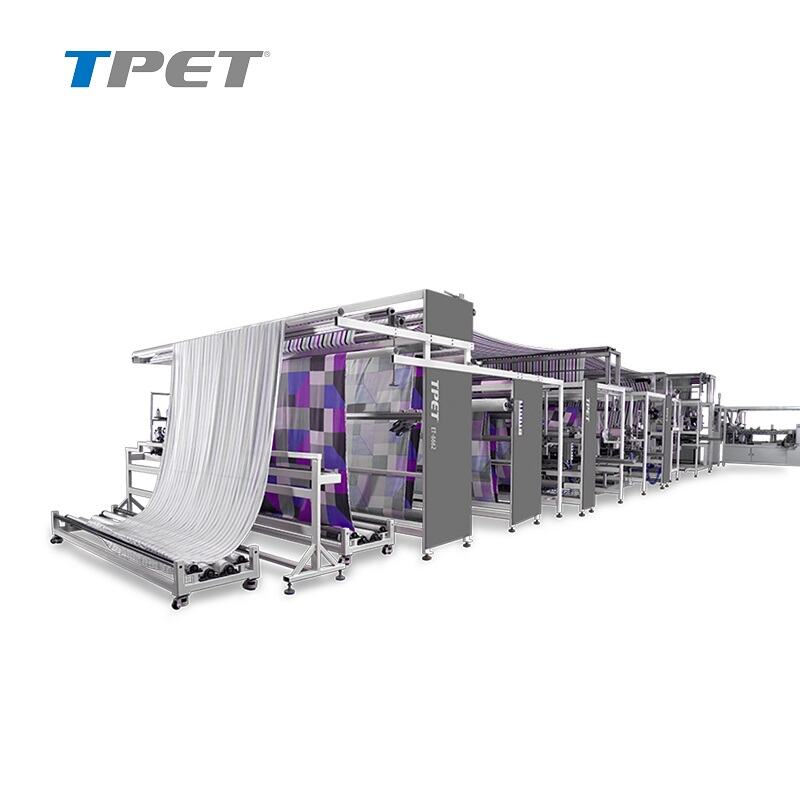
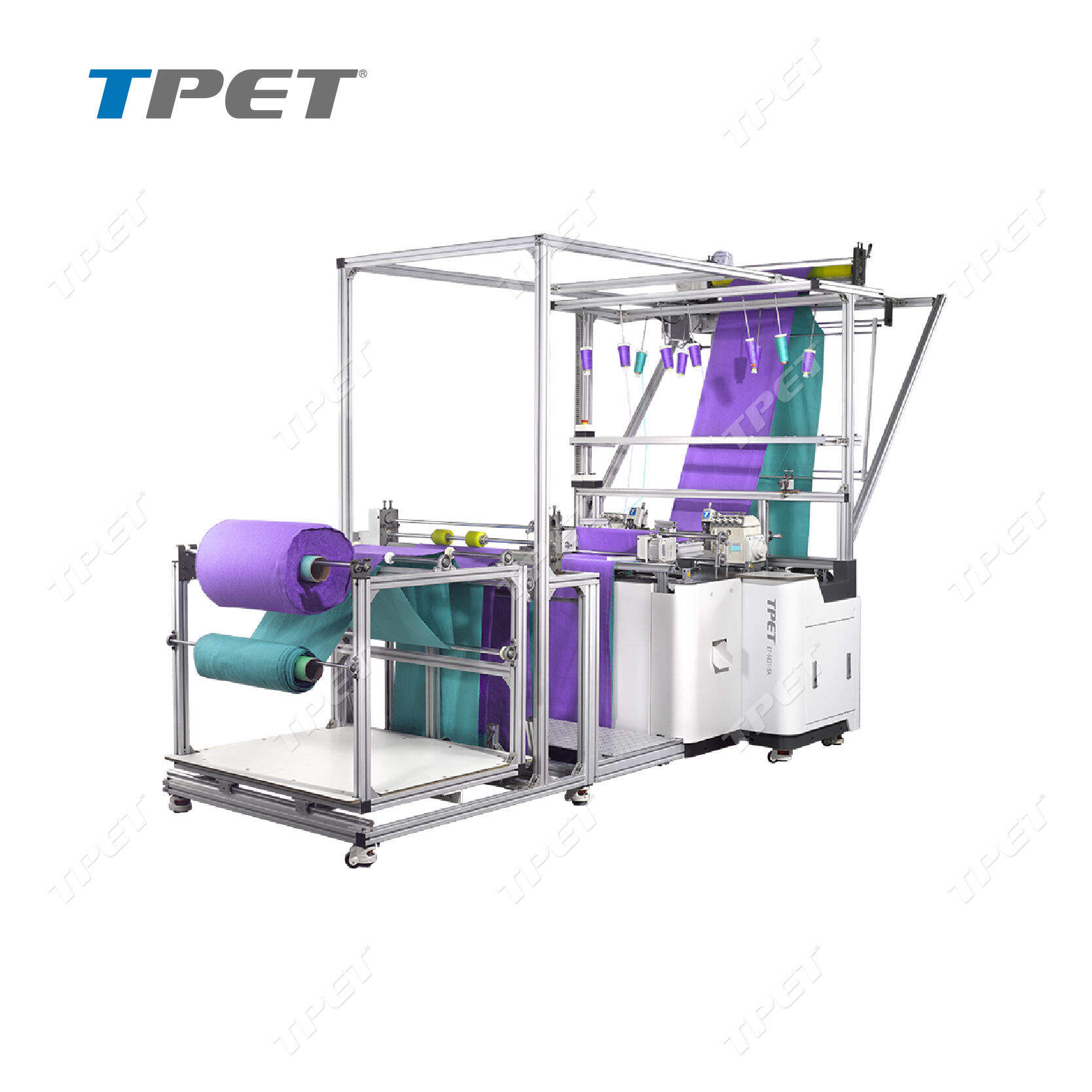
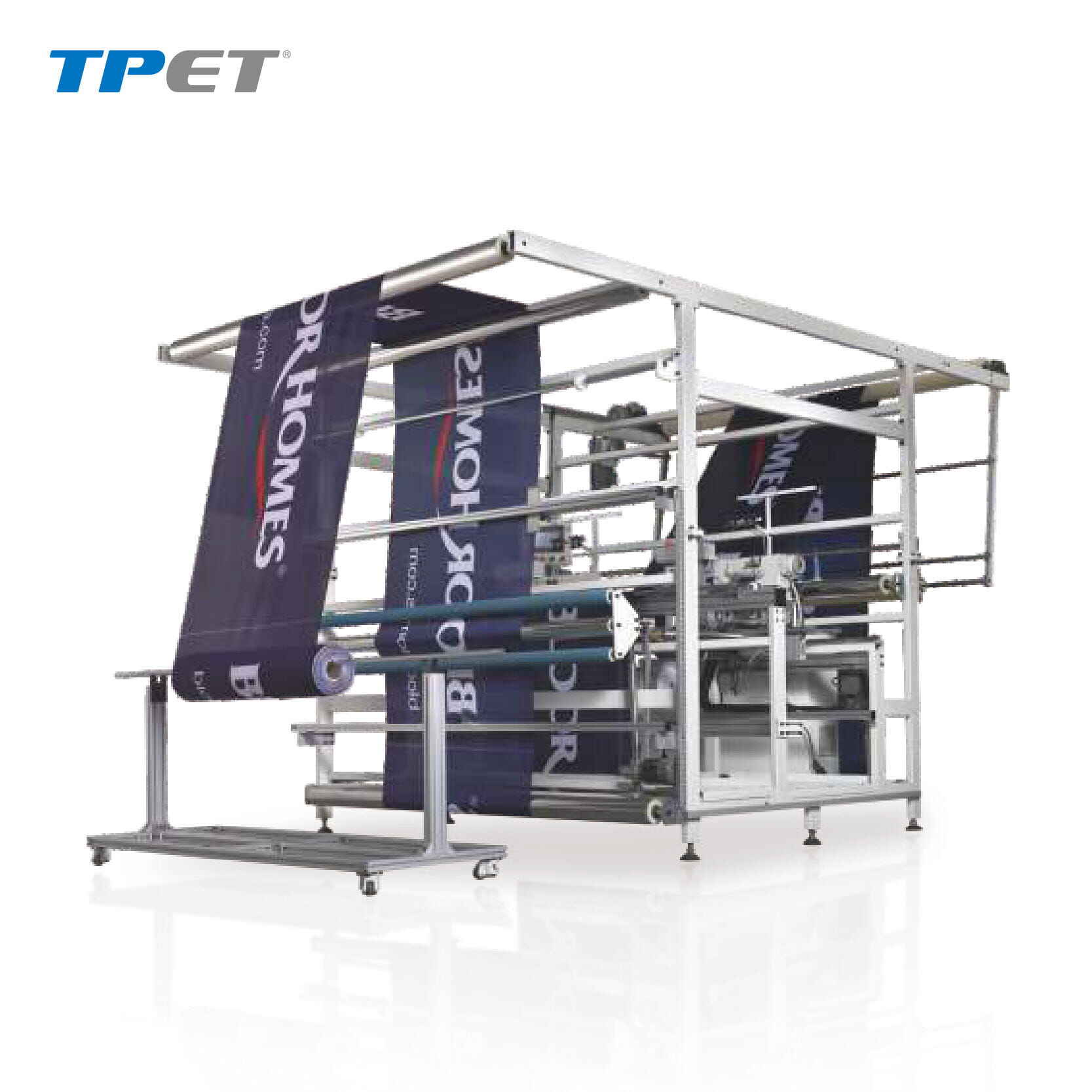
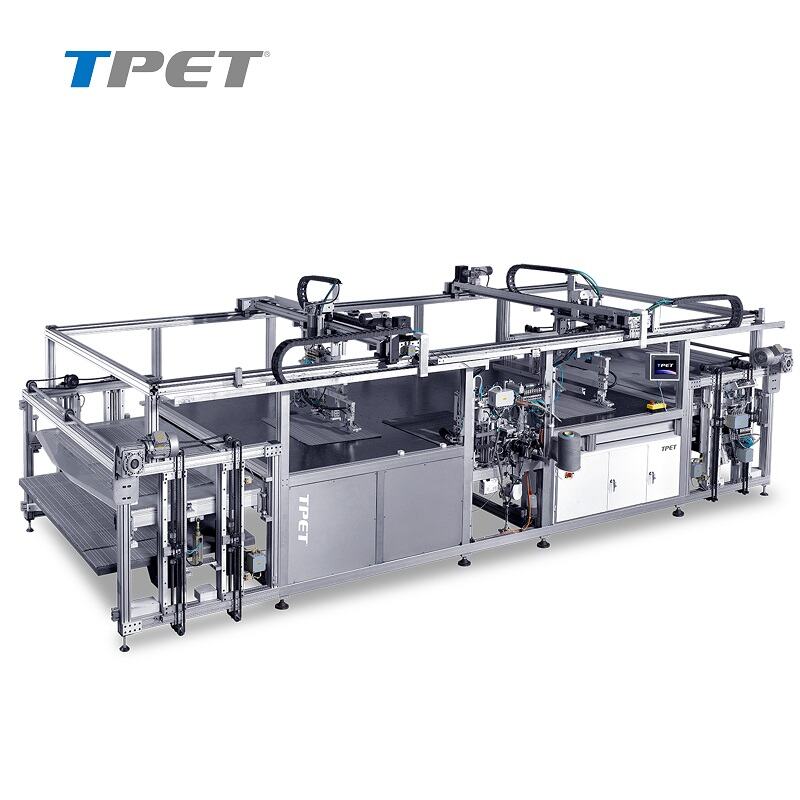
The woven bag stitching machine is an industrial sewing system built for producing durable and cost-effective closures for woven bags. The machine consists of a heavy-duty machine frame, servo-driven feeding system and adjustable tension, which allows for precise stitching of polypropylene and other types of woven fabrics. Automatic thread trimming, programmable stitch patterns and a simple setup process to accommodate a variety of bag sizes makes this machine ideal for delivering high-speed seam quality consistently. Additionally, the machine operates efficiently due to low energy consumption and the minimal downtime required for changing set-ups. The operator-friendly controls provide ease of use while allowing for fast setup times.
Get A Quote

Advantages of Woven Bag Stitching Machine

High-Speed Performance

This machine is designed and built for speed to provide consistent stitch quality even at high production speed, shortening cycle times and increasing productivity.

Versatile Fabric Compatibility

The machine can accommodate woven fabrics such as Polypropylene, HDPE and Laminated fabrics, with adjustable tension and stitch length. It has adjustable presser foot/needle selection options so that it produces even seams and even tension on all different thicknesses of Bags. As such, it will deliver repeatable results on production lines.

User-Friendly Automation

Operators use a touch-screen interface with programmable stitching patterns that allow them to easily choose the size of bags and track the progress of production by using automatic thread trimming, back tacks and error messages to lessen the amount of time needed for training new employees and keep the operators productive.

Durable Construction and Low Maintenance

Built with a durable steel chassis, along with vibration-dampening features, this machine is designed for heavy use within high-volume production environments. The seamless-oiling, easy-access lubrication points, and modular component approach allow for fast, simple maintenance, enhance machine longevity and reduce the amount of time a machine is out of service, thereby making it affordable for the long-term production of bags.


Woven Bag Stitching Machine

A woven bag sewing machine is designed specifically for manufacturers who need high-quality, reliable seams on common packaging bags. This machine has a very rigid steel frame, precision servo motors, and a synchronous fabric feed that provides consistent stitch density across all different widths and thicknesses of bags. It can sew reinforced stitches, backtack, and use several different stitch patterns, making it ideal for constructing strong closure seams for plastic woven sacks, grain bags, promotional woven totes, and many other types of bags. A simple-to-use control panel allows for quick setup of various lengths, seam allowance sizes, and material types. Automatic thread trimming and tension monitoring will maintain consistency without requiring constant operator supervision. The adjustable presser foot walking foot and needle bar allow for adjustment of sewing techniques to accommodate many types of fabric, including laminated and coated materials. Routine maintenance is easy to perform, with easily accessible lubrication points, modular components, and easy-to-read diagnosis indicators. The machine can also be integrated into a production line with feeding conveyors and end-of-line bag handling equipment for a seamless flow of product. The machine has safety guards and emergency stop switches to keep workers safe while working in busy production environments. Built to last and designed for maximum productivity, the machine delivers predictable results, reduces downtime, and is a cost-effective solution for medium to high production of bags.Manufacturers who need high-quality, dependable seams are served with a sewn-on woven bag kit sewing machine. It's made of a solid steel frame and comes equipped with precision servo motors and a synchronous feeding system to keep the stitch density consistent across every width, thickness and type of packaging bags. The machine can sew a reinforced stitch, back-tack and sew various stitch patterns to help create strong closure seams for plastic woven sacks, grain bags, promotional woven tote bags and many other types of bags. Its control panel is user friendly and allows for quick setup of different stitching lengths, widths and materials. Additionally, automatic thread cutting and tension control will allow producers to create consistent closures without having to have their operators monitor the sewing process continually. The adjustable walking foot presser foot and needle bar allows producers to adjust their sewing methods based on the many different kinds of fabric they use, including laminated and coated. Regular maintenance on the machine is easy due to the locations of lubrication points, the number of modular components and the presence of easily readable diagnostic indicators. The machine can be integrated into a manufacturing line with feeding conveyors, and end-of-line bag handling devices, enabling a continuous product flow from production to shipping. The machine will allow manufacturers to work safely in highly populated areas through the use of safety guards and emergency shut off buttons. Built for durability and efficiency, the sewing machine will provide manufacturers with predictable results, reduce their downtime and offer a cost-effective method of producing medium to large volumes of bags.

F&Q About Woven Bag Stitching Machine

What bags can this machine stitch?

With the ability to sew many different types of woven bags, this machine was created to be used with bags made from polypropylne, HDPE, laminate and coated fabrics as well as many other types. There is a range of widths and seam allowances for this machine, as well as the ability to sew all types of seams with all types of materials, and to achieve a consistent, high-strength closure and dependable performance on all standard packaging applications across the various markets.This machine was developed specifically for sewing conventional woven bags, such as polypropylene sacks, HDPE bags, laminated fabrics and coated materials. The machine has capabilities for many different widths, seam extensions and produces reliable consistent stitching on all standard packaging applications in all markets.
The maintenance schedule is fairly simple and very uncomplicated. Major tasks consist of periodically lubricating all moving parts; checking and replacing needles; checking or calibrating the tension of the needles/hook; and checking the drive or belt. The modular design allows for easy change-out of components, which reduces machine downtime and allows for continued operation of the equipment.
Of course, this unit has a variety of machines that allow for programming different types of patterns, backtacking, and the option to sew in lockstitch mode. Users can change patterns through the touch-screen panel; they can also adjust the length of the stitches and save multiple settings for their various bag types. This flexibility supports different closure types and a range of global branding possibilitiesAbsolutely. The machine has many options for how to sew, for example by using backstitching or lockstich. Users can easily select different sewing patterns by using the machine's touchscreen display, adjust the length of the sewing stitch for each style and save multiple sewing profiles for different styles of bags. Each of these features allows the user to sew bags in many different ways and use branding and logos that are different around the world.The machine features a built-in programmable stitch pattern, a backtack option (automatic), and a lockstitch feature. The operator can select the pattern he/she wants to use by pressing on the touch screen; can control the length of the stitch; and can store multiple profiles to accommodate multiple types of bags. This adds versatility to the machine for different styles and global branding opportunities.
Definitely! Stitching machines and feeding systems can be configured to work together. By synchronising the speed of the stitching machine with that of the feeding system, remote monitoring, and batch control minimise manual handling while achieving higher overall productive capacity and efficiency across the entire production line.

Get a Free Quote

Our representative will contact you soon.
Email
Name
Company Name
Message
0/1000