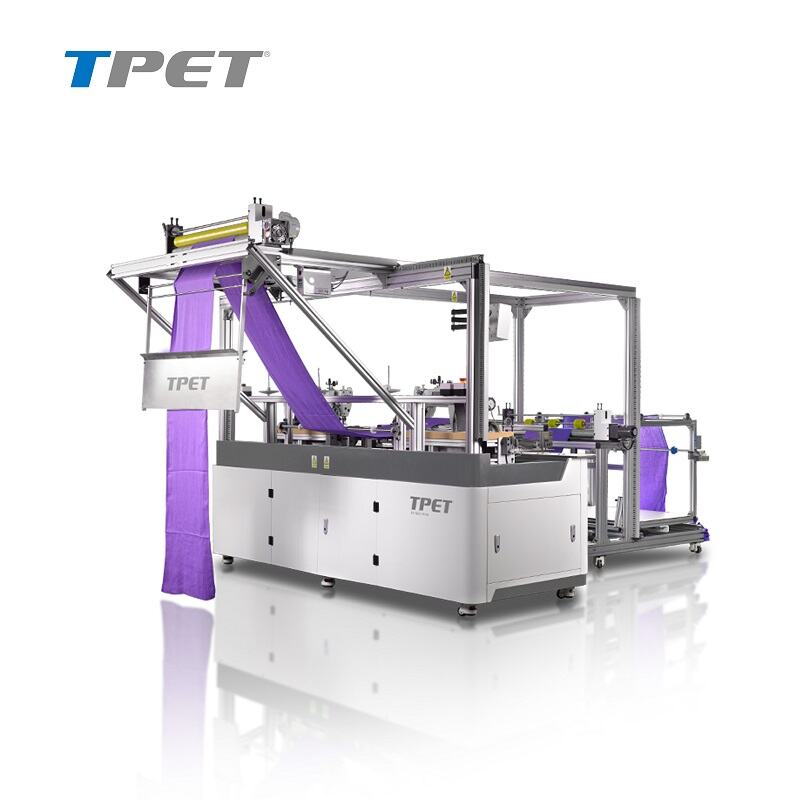
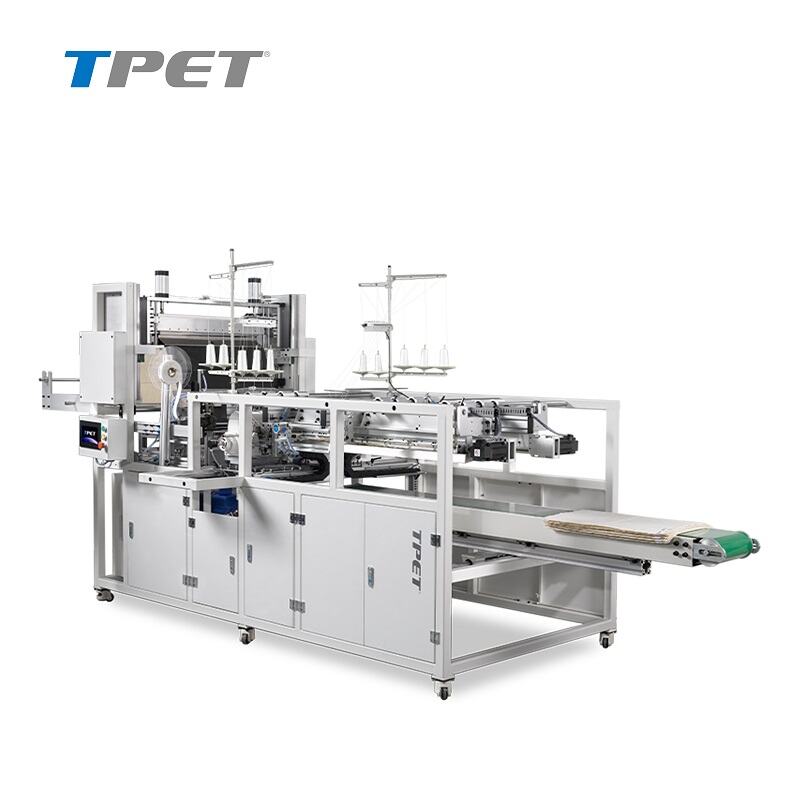
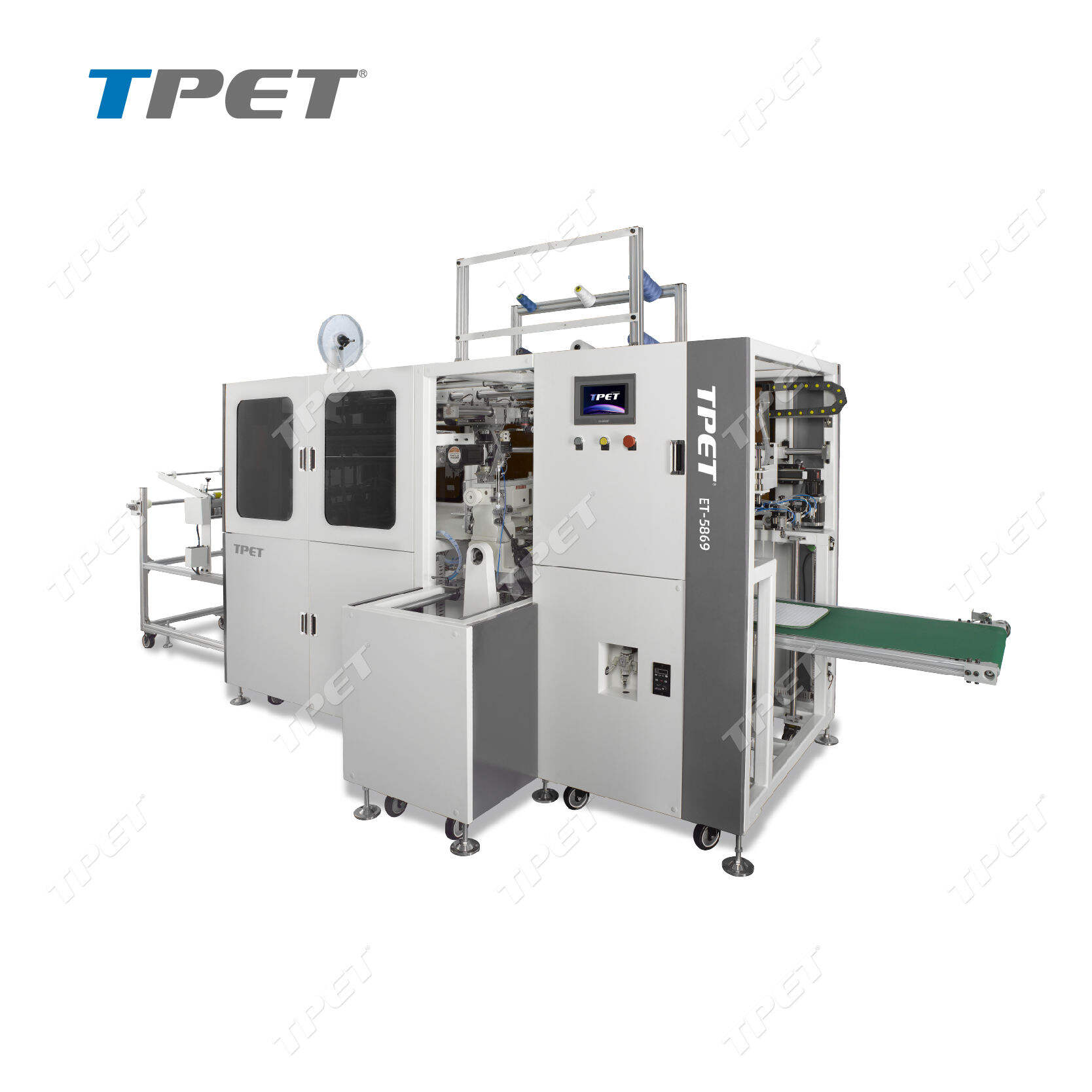
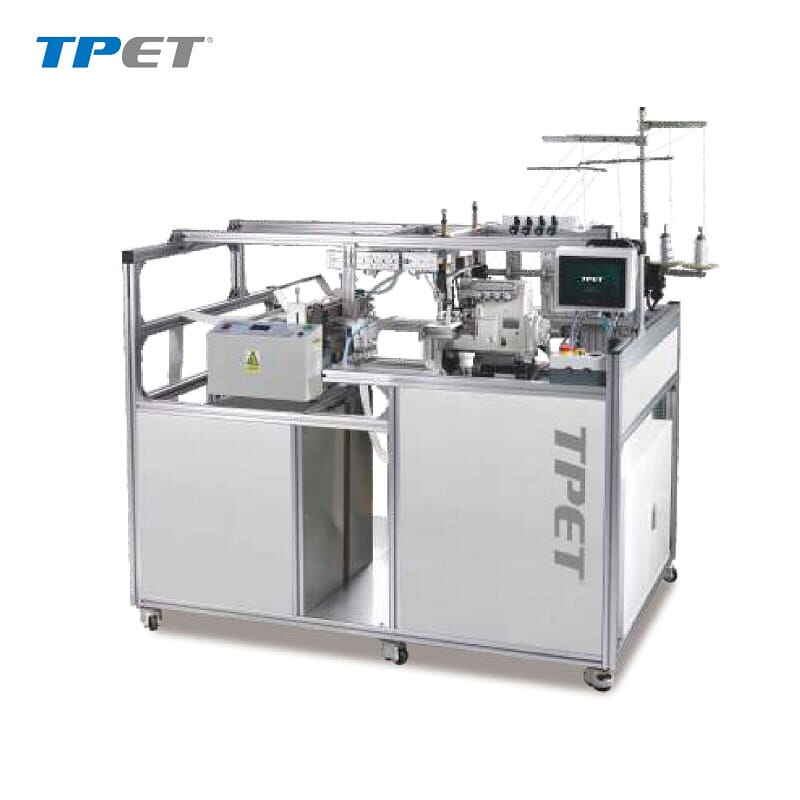
Fully Automatic Industrial Sewing Machine | 92% Less Labor, Zero-Error Stitching

Overview of Fully Automatic Industrial Sewing Machine

The fully automatic industrial sewing machine is designed for use in high-volume manufacturing. This machine can produce pieces quickly, accurately, and consistently. Automatic features such as thread trimming, needle threading, fabric feeding and presser foot raising reduce the need for manual handling and operator fatigue. A programmable controller allows for the control of stitch length, decidingThe automatic factory sewing machine is engineered for mass production, allowing for the production of items quickly with precision and repeatability.
Get A Quote


Advantages of Fully Automatic Industrial Sewing Machine

Improved Productivity

Automation reduces the amount of work performed manually, reduces the amount of time required to manufacture products, and provides predictable product output.

Consistent Quality

Ongoing lubrication protects the moving parts of the machine, while the rigid frame prevents movement of the shuttle during operation; therefore, the result is a more uniform seam, cleaner finish, and enhanced visual quality of the finished products.

Operator Safety and Ergonomics

Operator fatigue and strain will be reduced through an ergonomic layout with easy to reach controls and menus that can be easily understood.

Low Maintenance and Durability

Service intervals for a machine are increased by its strong framework and sealed lubrication, reducing downtime.

Fully Automatic Industrial Sewing Machine

The fully automated industrial sewing machine uses a fast servo motor, accurate mechanism(s) and a PLC-based control system to produce consistently high-quality stitch output while being energy efficient throughout the process. The large touch screen interface makes selecting programs, tuning stitches and viewing live thread tension, bobbin status and feed rates quick and convenient for users. Automatic features include automatic needle threader, automatic thread trimmer, lift of presser foot, automatic fabric feed control, auto back tack and automatic return to zero position at the end of the seam. The all-steel fabricators frame with heavy-duty steel cams offers reliability for continuous production. The sewing machine is able to sew various types of stitches, including straight, zigzag, blind hem and more, and it has programmable memory to save and recall different batch types. Operators benefit from reduced physical effort and fewer set-up errors and the many maintenance access points make it easy to lubricate and replace parts. The fully automated sewing machine is ideal for clothing manufacturing, upholstery, travel bags and technical textiles, and it has low maintenance costs, produces repeatable outcomes and tight tolerances and has a quick ROI for modern factories.

F&Q About Fully Automatic Industrial Sewing Machine

What fabrics can the fully automatic industrial sewing machine handle?

Using the adjustable presser foot pressure, the feed dogs, and the stitch settings also allows you to use this machine on just about any type of fabric: lightweight synthetic materials, heavy denim materials, leather, etc. By using the adjustable presser foot pressure, the feed dogs, and stitch settings properly, you can sew delicate edges and layers without creating problems with the tension and the sewing quality.
Each model has different power requirements depending on its region. The Configuration standard for all models includes use of a power source to the machine through the standard industrial power receptacles. The operation of the machine is driven by the use of a servo motor which provides accurate speed control and increased energy savings. The electrical power configuration of the machine can be changed to accommodate different voltage/frequency configurations and includes a grounding safety system that meets the international safety standards for products.Power requirements are based upon the machine's model and location, but all standard configurations will work with industrial electricity outlets. The machine is powered by servomotor drive systems which provide accurate speed control and enhance energy efficiency. The machine's voltage and frequency specifications can be customized to match a customer's requirements, and the grounding and other safetyThe power specifications on our machines vary by model and region, but all standard configurations are compatible with standard industrial outlets. Additionally, our machines include a servo motor for precise speed control and energy-efficient operation, and voltage and frequency configurations are available along with grounded safety features designed to comply with international standards.Depending on the model and region, different power supply requirements exist, however most configurations will match the electrical configuration for most industrial outlets. The machine uses a servo-driven motor to promote efficient speed control while maximizing energy efficiency. The compatible voltages and frequencies can be customised to the regional requirements, including the necessary protective grounding that is in compliance with internationally recognised electrical codes.
Establishing a routine for the consistent lubrication of all moving components and inspecting needle & presser foot screws and thread paths (for any potential for wear) will help maintain the longevity of your sewing machine. A daily cleaning to remove dust and lint from the bobbin compartment is also suggested. You should have your sewing machine serviced regularly to maintain the machine in good operatingRegular lubrication of the moving parts of the sewing machine, checking that the needle and presser feet are secured with screws, and checking for wear on the thread paths are all part of the routine maintenance you can do to help keep your machine running smoothly. You should also clean out the dust and lint build-up from the bobbin area every time you use it. It is a good idea to have your machineTo maintain your routine sewing machine, you will need to perform regular maintenance including lubricating moving parts, checking screws of presser foot and needle, inspecting thread paths for signs of wear, and cleaning out dust and lint in the bobbin area. It is also recommended to schedule for professional service occasionally as an accuracy check and to help prolong the life of your machine.Scheduled Maintenance may consist of: 1. Regularly lubricate all moving components. 2. Check screws for the needle and presser foot. 3. Inspect your thread paths for any signs of wear or damage. Regular cleaning with a vacuum or air compressor of the dust and lint in the bobbin compartment should be done daily. Professional service should also be performed periodically to maintain accuracy and increaseRoutine maintenance for your sewing machine involves the regular lubrication of all moving parts, checking the needle and presser foot screws for tightness, and inspecting the thread paths for signs of wear and tear. Also, remember to clean out the bobbin area on a daily basis to remove dust and lint build-up. In addition, schedule regular professional servicing of your machine to help maintain itsThe Regular Maintenance involves Lubricating the Moving Parts Periodically, checking on the Screws(needle clamps) on both the Needle Plate and Presser Foot as well as checking for Worn Thread Paths Regularly. DAILY CLEAN BOBBIN AREA OF all Dust & Lint. Additionally, to Maintain Accuracy and Prolong Life Expectancy, Schedule Professional Service when Necessary.
When you make most equipment purchases, you'll receive operator and technician training, installation assistance, and on-site startup help. Your team will receive complete manuals, troubleshooting guides, and remote support. There are also optional extended warranties, parts kits, and continuing education (refresher courses) available to help your staff maintain their skill levels and minimize the amount of time that the equipment is out of service.

Get a Free Quote

Our representative will contact you soon.
Email
Name
Company Name
Message
0/1000