Textile Slitting Machine: Precision, Versatility & ROI

Overview of Textile Slitting Machine

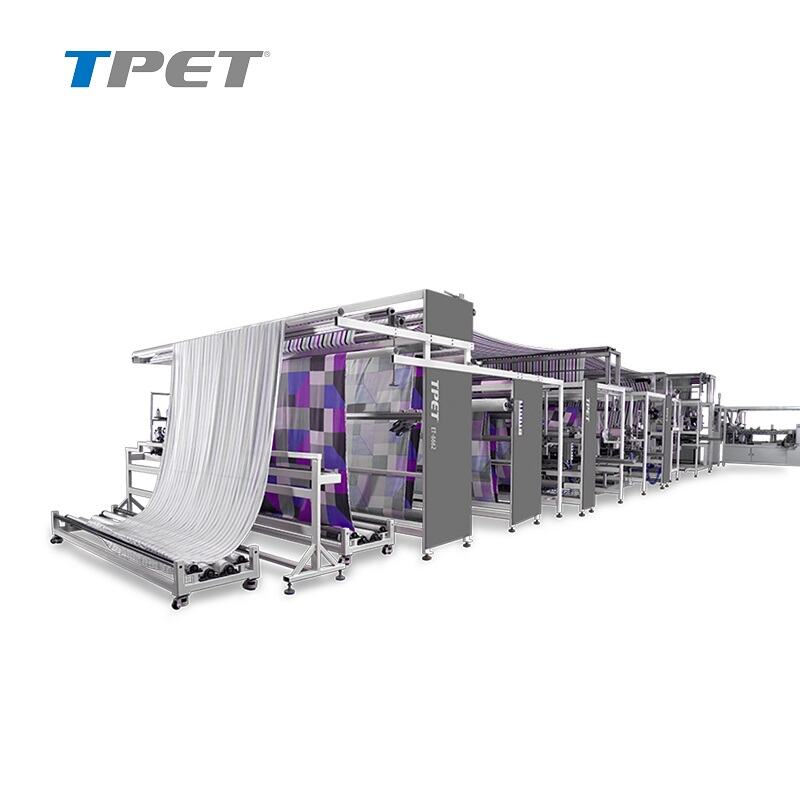
Textile slitting machines are designed and manufactured with technology that provides maximum efficiency and precision to convert wide rolls of textile material into multiple smaller width rolls. Each textile slitting machine uses precision technology to provide accurate unwinding, tension control and blade adjustments that allow for clean, uniform slits for a wide range of different textiles. When used in high volume production environments, these textile slitting machines support the processing of all types of textiles including cottons, polyesters, blends, nonwoven textiles, and coated textiles while producing the least amount of waste possible. Typical features of a textile slitting machine include: the ability to adjust blade depth, programmable slit widths, automatic web guiding, and emergency stop systems for added safety.
Get A Quote

Advantages of Textile Slitting Machine

Precise Slitting Accuracy

Our programmable quart head's repeating-head-quart-cut technology produces high speed, razor clean edges with minimal edge fraying or product wasted.

Versatile Material Compatibility

This device has also been designed to work with lots of different types of textile fabrics including; textile fabrics that have a weaving process (woven), textile fabrics that have been made without a weaving process (nonwoven), textile fabrics that have had their fibers knit together (knit) plus textile fabrics coated with other materials (coated). The machine can be easily adjusted (for example the tension of the textile fabric, the speed of the machine and the type of blade being used) to suit any type of fabric. By allowing for working with many different types of fabric thicknesses/finishes on one production line, the machine streamlines the entire production process of any textile manufacturer. By processing many different products on a single production line, the machine reduces the amount of time it takes to prepare to produce a product and reduces the number of different products a textile manufacturer needs to have in stock.The Adjustable Tension Profile, Blade Type, Speed Machine is designed to work with a variety of textile types such as woven, knit, coated, and non-woven textile materials. The machine also works with a variety of different thicknesses, finishes, and textiles, which means that as a result of this ability to be able to process many different types of textiles, you will reduce setup time and inventory complexity when working with multiple products. When the machine can process a wide range of textile types and finishes it reduces the number of machines required to complete any single production run, meaning the manufacturer will be able to produce more products in a shorter period of time. This allows the producer to have an increased volume of product available for sale during peak seasons.Woven, non-woven, knit, and coated fabrics can be produced using the machine. It allows you to choose the type of blade, speed of operation and apply different amounts of tension to each product as needed. In addition, the machine can be adjusted to handle a wide variety of fabric thicknesses and fabric finishes, allowing manufacturers to use one machine for multiple items, thus simplifying their inventory management as well as their set-up time.

Efficient Tension and Web Guiding

Through the use of a system of automatic tension control, fabric stretch remains constant at all times to eliminate slack and skewing of the fabric during the slitting process and eliminate the occurrence of wrinkles.

Operator-Friendly and Safe Design

The ability to use an intuitive Multi-Touch Interface makes it easy for all levels of staff to interact with the machine.

Textile Slitting Machine

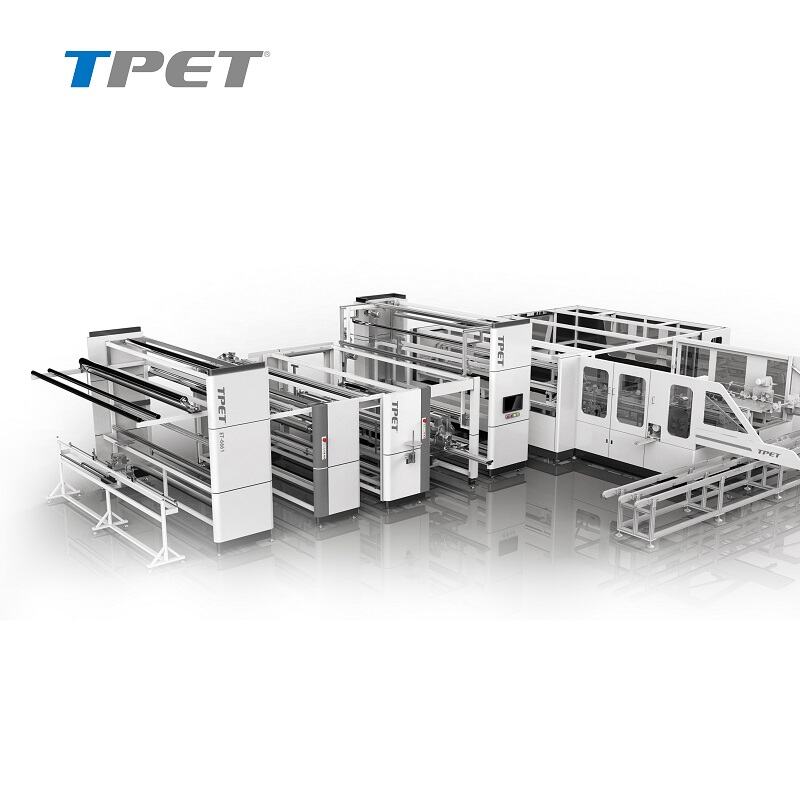
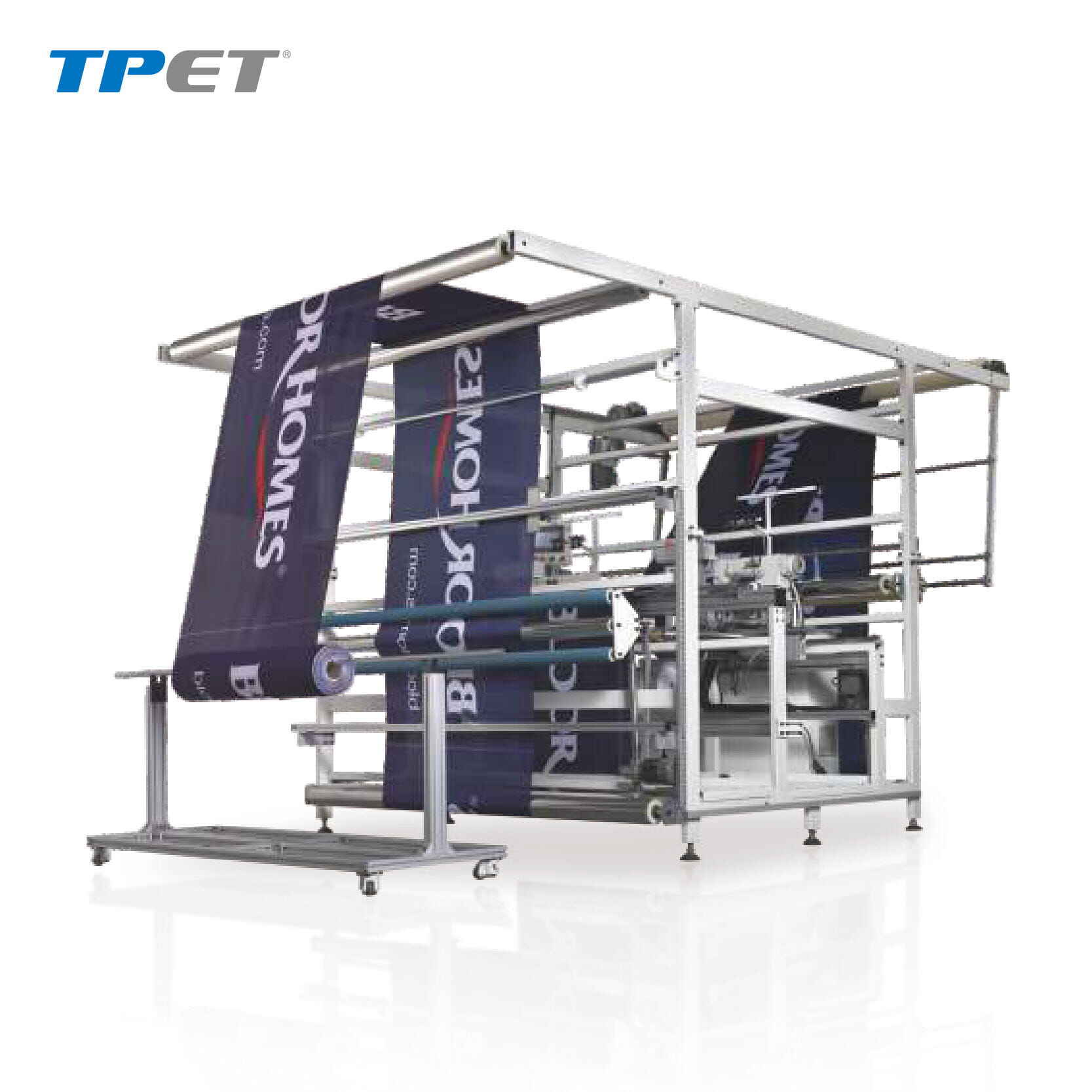
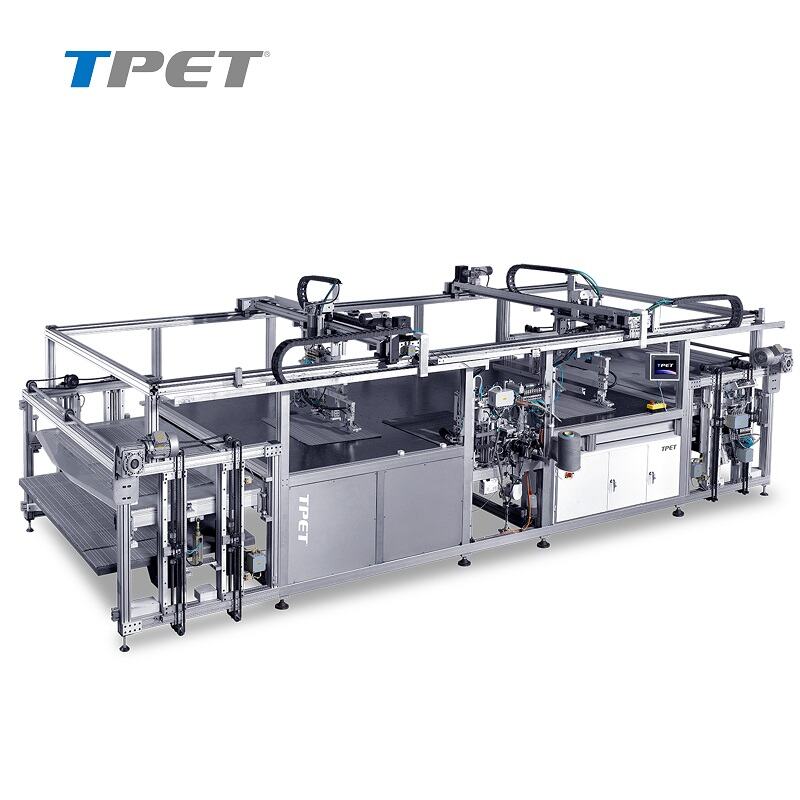
The slitter is engineered to meet the rigors of high-volume production while delivering accurate web widths from an array of rolls. The core design includes servo-driven unwind & rewind modules; a highly accurate slitter knife assembly; and a modern control system that holds multiple job recipes. Operators can change slit widths, margins and spacing from an easy-to-use graphical display; and the tension profiles are automatically adjusted for different fabric thicknesses and types of finishes.

The slitter accommodates a variety of blade configurations including rotary, razor, or shear; and can handle different slit geometries including equal lane and staggered lane slits. The built-in web guiding system, edge sensor, and dancer roller assembly is designed to maintain proper tension and alignment, enabling fast start-ups and minimizing slippage. In compliance with international labour organization safe working conditions guidelines, the slitter also has emergency stop buttons, interlocks and covers. The slitter can feed directly to a dyeing, printing or finishing line; as well as be synchronized with the line's speed control system; and transfer data back to the plant MES system.


F&Q About Textile Slitting Machine

What fabrics can the textile slitting machine handle?

A slitter machine can process a variety of types of fabric materials such as cotton, polyester, blends, viscose, knitted, woven, nonwoven, and coated textiles with differing thicknesses and finishes.
Depending on the model, slit width may vary greatly. The widest lines typically allow for slit widths up to 2000 mm (78 in.).
Programmable PLCs with touchscreen HMI provide users full capabilities to develop, manage and store recipes. Users generate and load recipes into a PLC to provide real-time monitoring.
The design of the system's modular components, as well as their interchangeable knife systems (quick-change) and the accessibility of their bearing locations, allows for easy maintenance.

Get a Free Quote

Our representative will contact you soon.
Email
Name
Company Name
Message
0/1000