Industrial sewing machines are built for speed, precision, and continuous operation. Whether used in garment production, upholstery, automotive textiles, or leather manufacturing, these machines are essential for maintaining productivity and product quality. However, even the most durable equipment requires regular maintenance to ensure smooth performance and a long service life. Proper care not only reduces downtime but also helps prevent costly repairs and production delays.
In this article, we will explore practical maintenance tips to keep your general industrial sewing machine operating at its best.
Dust, lint, thread fragments, and fabric particles accumulate quickly during daily production. Over time, these materials can clog moving parts and reduce machine efficiency.
At the end of each working shift, operators should clean the machine thoroughly. Use a soft brush or compressed air to remove lint from the bobbin area, feed dogs, needle plate, and thread path. Avoid using excessive air pressure directly on sensitive components, as it may push debris deeper into the machine.
Keeping the machine clean helps maintain smooth stitching and prevents unnecessary wear on internal parts.
Proper lubrication is one of the most important aspects of industrial sewing machine maintenance. Moving components generate friction during operation, and insufficient lubrication can lead to overheating and premature damage.
Always follow the manufacturer’s recommendations regarding lubrication intervals and oil type. Many industrial sewing machines include automatic lubrication systems, but operators should still check oil levels regularly to ensure adequate supply.
For machines that require manual oiling, apply sewing machine oil to designated points only. Avoid over-oiling, as excess oil can stain fabrics and attract dust.
Regular lubrication improves machine performance, reduces noise, and extends equipment lifespan.
A damaged or worn needle can cause multiple sewing problems, including skipped stitches, thread breakage, uneven seams, and fabric damage.
Operators should inspect needles daily and replace them immediately if they become bent, dull, or damaged. Using the correct needle size and type for the material is equally important. Heavy fabrics such as leather or denim require stronger needles than lightweight textiles.
As a general rule, replacing needles after several hours of continuous operation can significantly improve stitch quality and production consistency.
Incorrect thread tension affects seam appearance and sewing efficiency. If tension is too tight or too loose, stitches may become uneven or weak.
Regularly inspect upper and lower thread tension settings to ensure balanced stitching. In addition, check the thread path for lint buildup, damaged guides, or improper threading.
Using high-quality thread also reduces friction and minimizes thread breakage during high-speed operation.
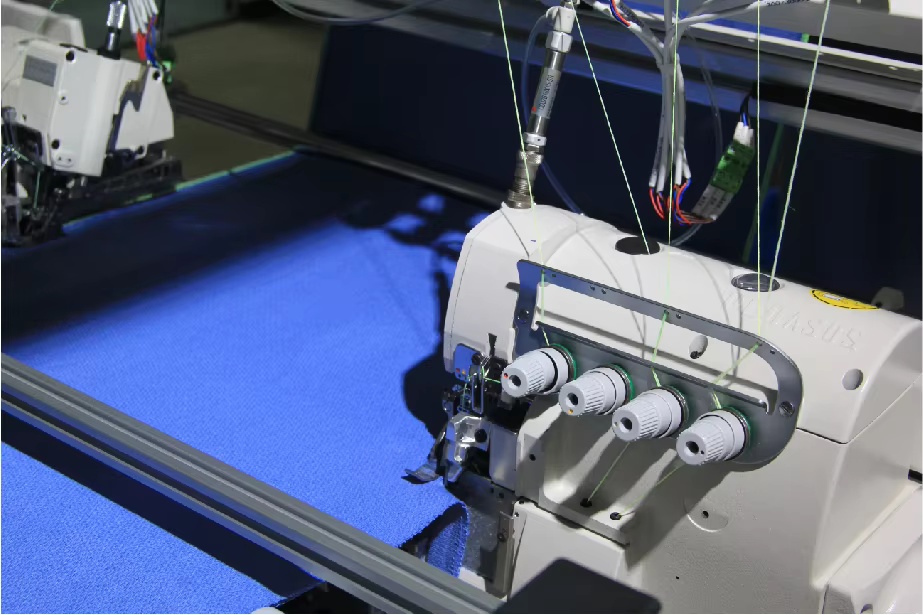
Industrial sewing machines rely on motors and drive belts for stable operation. Over time, belts may loosen, crack, or wear out due to continuous use.
Inspect belts regularly for signs of wear and ensure proper tension. A loose belt can reduce machine speed and efficiency, while an overly tight belt may strain the motor.
Operators should also listen for unusual motor noises, vibrations, or overheating. Early detection of motor issues helps prevent unexpected machine failure and costly downtime.
Continuous vibration during operation can gradually loosen screws, nuts, and other fasteners. Loose components may affect machine stability and sewing accuracy.
Perform routine inspections to check for loose parts around the needle bar, presser foot, feed mechanism, and motor assembly. Tightening components before they become problematic can prevent mechanical damage and maintain consistent sewing performance.
The bobbin area is one of the most active parts of an industrial sewing machine and often accumulates lint and thread debris quickly.
Remove the bobbin case regularly and clean the hook assembly thoroughly. Inspect the bobbin for scratches, dents, or deformation, as damaged bobbins can create inconsistent thread tension.
Ensuring the bobbin area remains clean and properly adjusted helps maintain smooth stitch formation and reduces thread-related issues.
In addition to daily cleaning and inspection, businesses should establish a preventive maintenance schedule. Routine servicing by trained technicians helps identify hidden wear and potential problems before they lead to major breakdowns.
Preventive maintenance may include checking internal gears, calibrating machine timing, replacing worn parts, and testing electrical systems.
For factories operating multiple machines, keeping maintenance records can improve equipment management and reduce unplanned downtime.
Regular maintenance is essential for maximizing the performance and lifespan of your general industrial sewing machine. Simple practices such as daily cleaning, proper lubrication, needle inspection, and preventive servicing can greatly reduce downtime and improve sewing quality.
For manufacturers and production facilities, well-maintained machines contribute directly to higher productivity, lower repair costs, and consistent product quality. By implementing a structured maintenance routine, businesses can ensure their industrial sewing equipment continues to operate efficiently for years to come.

The TPET ET-6620 Automatic Pillow Cover Machine (US Type) is a high-efficiency, intelligent solution designed to revolutionize the production of American-style pillowcases, tailored to meet the demands of modern textile manufacturing. Built for speed...

The TPET ET-5816/GG 2nd Generation Automatic Terry Towel Length Hemming Machine is a state-of-the-art solution designed to revolutionize towel production efficiency and quality. As the main drafting unit of the industry standard “Automatic towe...

The ET-6628 Envelope Pillow Case Machine: A Milestone in Automated AB-Side Envelop Production From TPET Company.In the competitive landscape of modern textile manufacturing, efficiency, precision, and versatility are paramount. The ET-6628 Envelope P...

Equipped with advanced magnetic navigation technology, the autonomous vehicle ensures accurate path following and stable operation.

This automatic delivery vehicle is equipped with magnetic navigation technology and is designed for seamless integration with production lines.

 EN
EN