A double stitch industrial sewing machine runs two parallel rows of stitching in one pass, using either two needles on a single head or a twin-needle configuration. The functional difference from a single-needle lockstitch is not cosmetic: the second stitch line distributes tensile load across a wider seam area. For woven bags carrying 25 kilograms of bulk grain, that extra line is the difference between structural integrity and a split seam at the warehouse dock. On stretch denim, the parallel stitch pattern controls fabric recovery after wear, preventing the puckered, wavy seam look that destroys garment presentation at retail.
Applications cluster wherever tensile strength matters more than stitch density alone. Automotive seat covers, particularly on side bolsters that see constant entry and exit abrasion, rely on double parallel stitching to hold foam and leather layers together across 100,000-plus cycles. Heavy-duty workwear, including fire-resistant coveralls for petrochemical operations, uses double stitch construction on sleeve attachment and crotch curves because single-row seams have a documented failure rate roughly 3 times higher in ASTM D1683 seam strength testing. Mattress border panels are another case: the double stitch pattern locks the top panel, gusset, and border fabric into a unified assembly that survives years of body-weight compression cycling.
Running two needles simultaneously changes the physics at the feed dog. The needle penetration force doubles while the fabric must advance without lateral drift. Uneven thread tension between the left and right needles produces visible stitch-width variation, a defect that at 40 stitches per inch becomes immediately obvious on finished goods. Drop-feed systems handle light to medium materials with acceptable results, but on anything thicker than 6-ounce denim or multi-layer assemblies exceeding 3 plies, a compound or needle-feed mechanism becomes essential. Without it, the top ply drags ahead of the bottom ply, generating what production QC teams call "creeping" at the seam edge.
A bedding factory in northern Jiangsu running double-needle lines for fitted sheet corner assemblies discovered that switching from a standard drop-feed to a walking-foot compound feed reduced ply creep from 2.1mm average to under 0.4mm. The immediate result was a drop in corner-seam reject rates from 11% to below 2% across three consecutive production weeks.
| Component | Single-Needle Lockstitch | Double Stitch Configuration |
|---|---|---|
| Needle Count | 1 | 2 (fixed spacing, typically 3.2mm to 25.4mm) |
| Bobbin Mechanism | Single rotary hook | Single or dual rotary hook (high-speed models) |
| Thread Paths | 1 needle thread + 1 bobbin thread | 2 needle threads + 1 or 2 bobbin threads |
| Stitch Result | Single straight line | Two parallel straight lines |
| Typical SPM Range | 2,000 to 5,000 | 1,800 to 4,000 |
| Material Capability | Light to medium | Light to heavy (with appropriate feed) |
The double needle configuration appears across virtually every industrial bed type. Flatbed machines dominate apparel and bedding operations where panels lay flat during stitching. Cylinder-arm versions handle tubular pieces such as sleeves, pant legs, and cylindrical bag bodies. Post-bed machines with a raised column stitch complex 3D contours: footwear uppers, automotive headrests, and curved luggage panels. The key decision is not which format is best in the abstract, but whether the bed geometry lets the operator present the material at the right angle through all seam segments without bunching or twisting.
Double stitch seams place unique demands on thread. Bonded nylon offers high tensile strength and abrasion resistance for outdoor furniture and marine covers. Corespun polyester provides better needle-heat tolerance for high-speed runs, while textured polyester works well on stretch applications where the seam must elongate with the fabric. The wrong thread choice, such as putting continuous-filament nylon into a high-friction seam on a car seat, leads to thread fusion at the needle eye during sustained 3,000 SPM runs, a failure mode that stops production cold and demands full bobbin replacement across all heads on the line.
Industry data from the American Textile Manufacturers Institute confirms that thread-related defects account for roughly 18% of garment seam failures in durability testing. On double stitch seams that are intended as primary structural elements, that statistic alone justifies a thread specification document rather than buying whatever the local supplier has on the shelf.
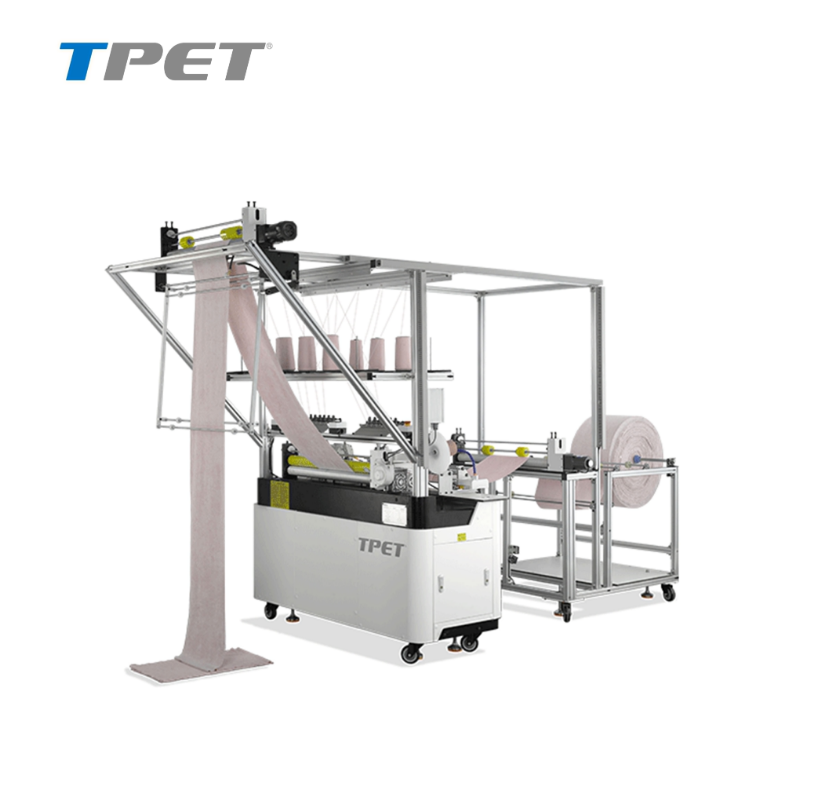
For operations producing bedding, automotive interiors, heavy-duty bags, or industrial workwear that demand consistent double-stitch output, TPET builds industrial sewing machines with feed-tested needle bar assemblies and balanced tension systems engineered for parallel seam reliability at production speeds.

The TPET ET-6620 Automatic Pillow Cover Machine (US Type) is a high-efficiency, intelligent solution designed to revolutionize the production of American-style pillowcases, tailored to meet the demands of modern textile manufacturing. Built for speed...

The TPET ET-5816/GG 2nd Generation Automatic Terry Towel Length Hemming Machine is a state-of-the-art solution designed to revolutionize towel production efficiency and quality. As the main drafting unit of the industry standard “Automatic towe...

The ET-6628 Envelope Pillow Case Machine: A Milestone in Automated AB-Side Envelop Production From TPET Company.In the competitive landscape of modern textile manufacturing, efficiency, precision, and versatility are paramount. The ET-6628 Envelope P...

Equipped with advanced magnetic navigation technology, the autonomous vehicle ensures accurate path following and stable operation.

This automatic delivery vehicle is equipped with magnetic navigation technology and is designed for seamless integration with production lines.

 EN
EN