Automated Industrial Sewing Machine: Boost ROI & Precision

Overview of Automated Industrial Sewing Machine

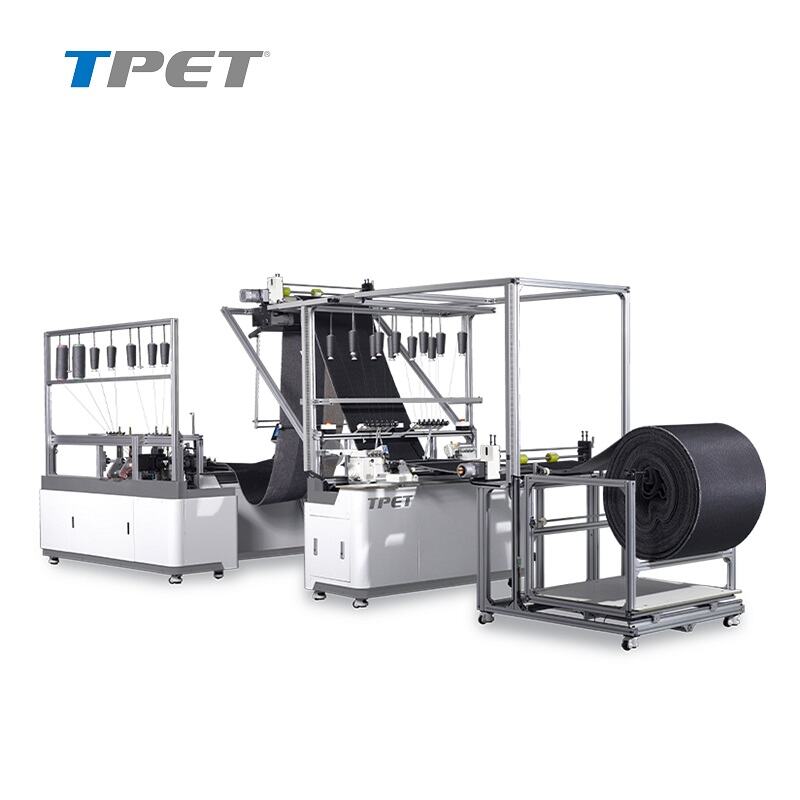
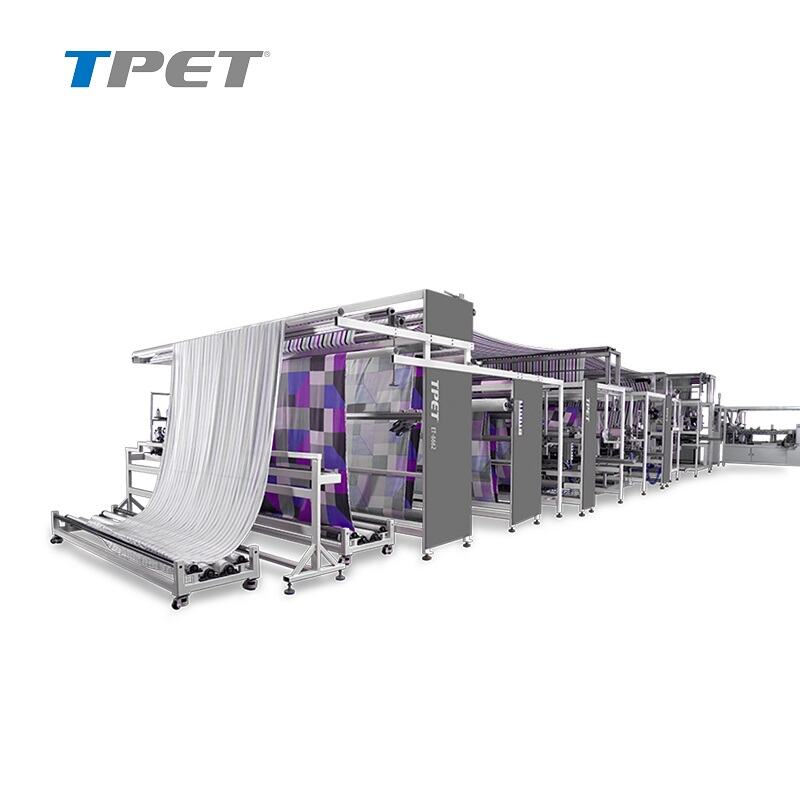
An automated industrial sewing machine designed with high-volume production in mind combines sophisticated robotic technology with solid conventional sewing techniques to produce repeatable quality seams, increase production speeds and minimize machine operator fatigue. The programmable sewn pattern in conjunction with sensor monitoring and automatic thread trimming makes the machine ideal for sewing a wide variety of fabric types that respond well to complex sewn designs. Its small footprint allows for maximum utilization of available workspace, while its durable design and ease of maintenance make it ideal for use in busy manufacturing environments.
Get A Quote

Advantages of Automated Industrial Sewing Machine

Consistent Productivity

Through the use of an automatic embroidered machine's stitch function, as well as its programmable stitch patterning capabilities, the embroidery operator can expect less time spent on preparing for an embroidery job; more consistent quality; fewer errors; as well as better productivity overall when producing higher amounts of products than with manual processes.

Adaptive Fabric Handling

Intelligent feeding systems automatically adjust the needle speed, presser foot pressure, and tension on thread based on the type, thickness and weave of fabric.

Seam Quality Consistency

High Precision servo motors control your sew stitch length and seam width with an extremely tight tolerances delivering exactly the same results on every run.

Easy Maintenance & Diagnostics

By providing modular architecture, the maintenance and service responsibilities associated with operation are all simplified.

Automated Industrial Sewing Machine

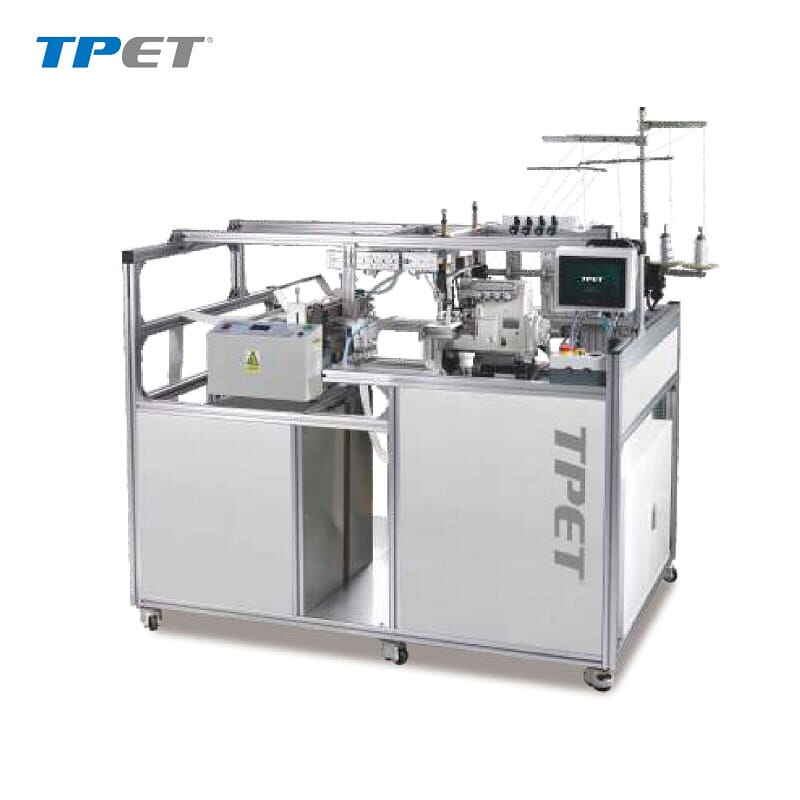
This automated sewing machine for the apparel, upholstery, automotive, and technical textile industries has been designed to fit in with the latest manufacturing trends taking place today. At the heart of the machine is a computer-controlled programmable controller that allows users to set stitch patterns, speeds at which they will operate, threading sequences and supplies for handling materials on the line, with precision repeatability.

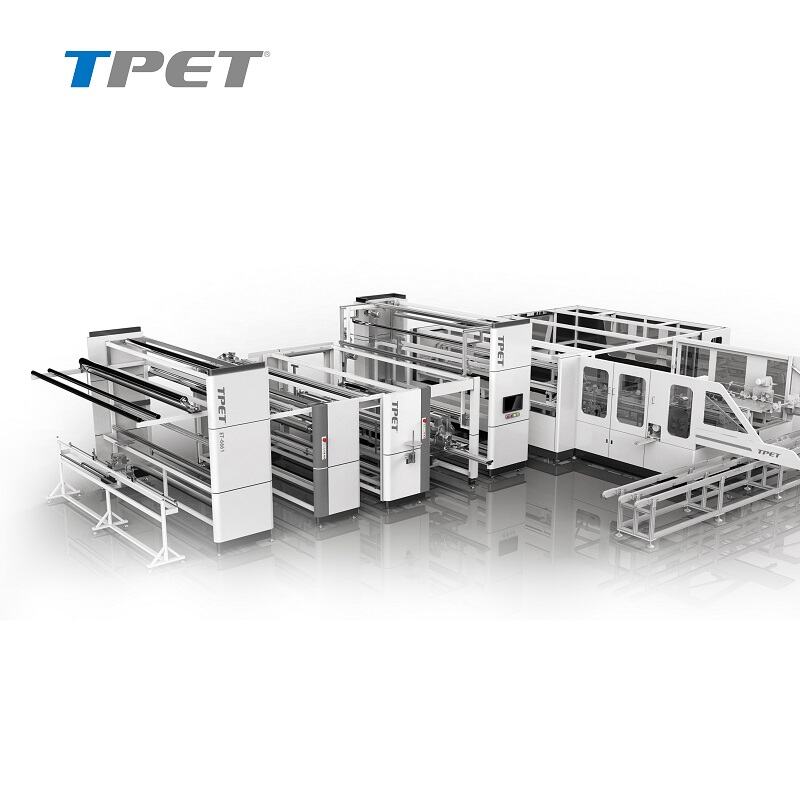
This machine will interface with other pieces of equipment, supporting centralised control, real-time monitoring and data collection for quality assurance via standard industrial communications protocols. Additional features of this machine include high-speed servo drive motors, a sturdy steel narrow needle-bar assembly, interchangeable presser feet for a variety of stitching styles and fabrics and a computerized tensioning control that adjusts to maintain stitching quality, even as the material being sewn changes due to fluctuating tension. 

With its automatic trim and back-tack functions, the machine also minimises post-production finishing. Compact frame design, modular component removal and safety covers for all moving parts enable safe operation in crowded environments. All operators can upload pre-programmed sewing configurations to the machine via a touch panel interface or import designs from any type of CAD program. 

F&Q About Automated Industrial Sewing Machine

What fabrics can this machine handle?

The machine will work with all types of fabrics, including knitted, woven, leather, and synthetic fabrics. To maintain stitch consistency, limit fabric distortion and ensure smooth operation through light to heavy use across the globe, its Adaptive Feed and Tension Systems will automatically adjust the feed and tension according to the thickness of each piece of fabric.
Through reduced cycle times, increased production speed, and less downtime from mechanical issues, this machine typically provides producers with an increase in production volume of between 15-35% over the previous machine type used. However, factors vary based upon the material and manufacturing complexity. The system reliably reduces the cycle time while maintaining an unbiased level of precision.
Thanks to the use of standard interface devices, modular I/O devices, and a common communication protocol, integration is simple to execute. The controller can be programmed to replicate previously developed production schedules as well as provide an integrated communication link between upstream feeder devices and the on-premises production environment (the MES). The controller can be easily and quickly installed and operationalised with minimal disruption to day-to-day operations.
Regular maintenance means checking the needle and hook timing, cleaning out any fluff in the machine, cleaning and checking the drive belts and also checking the thread tension (also check the needle). Once the user has completed their regular maintenance (running through diagnostics), this indicates that he or she should perform preventive service to address any wear and tear on their machine. Routine lubrication, cleaning the filters, and updating the software are all recommended to maintain a high level of performance and reliability.Needle and hook timing, belt inspections, cleaning lint, and checking thread tension are all part of regular maintenance. The machine can indicate wear by using its diagnostic features, which can help determine when the machine will require preventative maintenance. Lubricating the machine regularly, cleaning filters regularly, and updating the software regularly will help ensure the machine runs reliablyA periodic service includes examining and calibrating the needle/hook timing, inspecting drive belts, removing any accumulated lint from the machine components, and ensuring that the thread is under the correct tension. The diagnostic information will indicate when parts are worn and require replacement, allowing you to conduct preventative maintenance on your sewing machine. Routine lubricant application, filter maintenance, and software updates can support the ongoing functionality and dependability of your machine.Periodic maintenance of machine includes inspection of timing and needle, drive belts, removal of lint, and thread tension to ensure the machine works properly and safely. Many of the maintenance items will be identified by the machines internal diagnostics. Maintenance will include preventive service as well as lubrication once a month, filters and lubricants are cleaned every six months and are updated with the most current software.

Get a Free Quote

Our representative will contact you soon.
Email
Name
Company Name
Message
0/1000