Non Woven Slitter | Precision Slitting for Spunbond & Meltblown

Overview of Non Woven Slitter

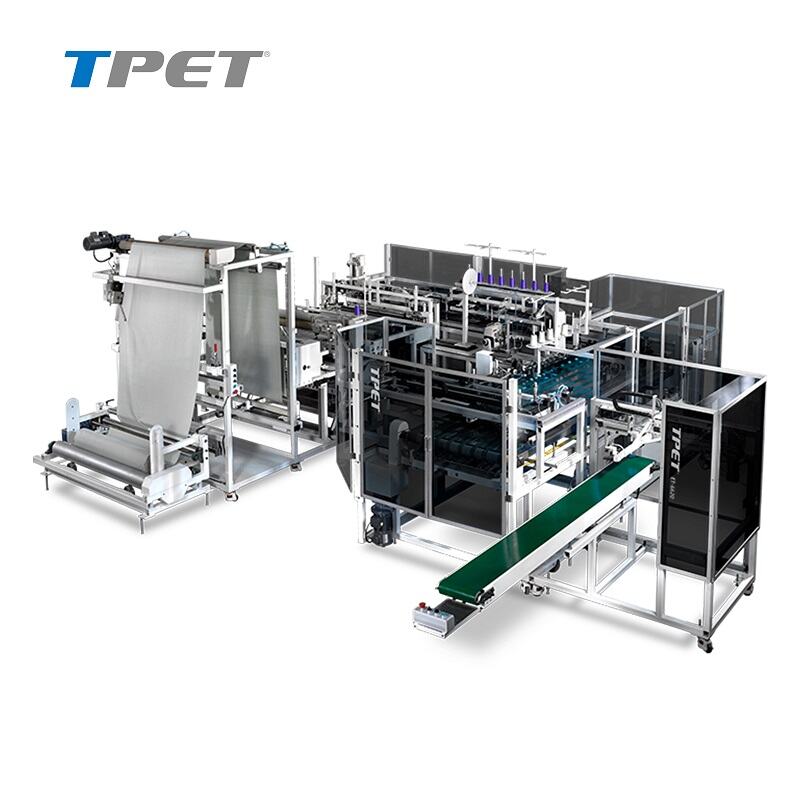
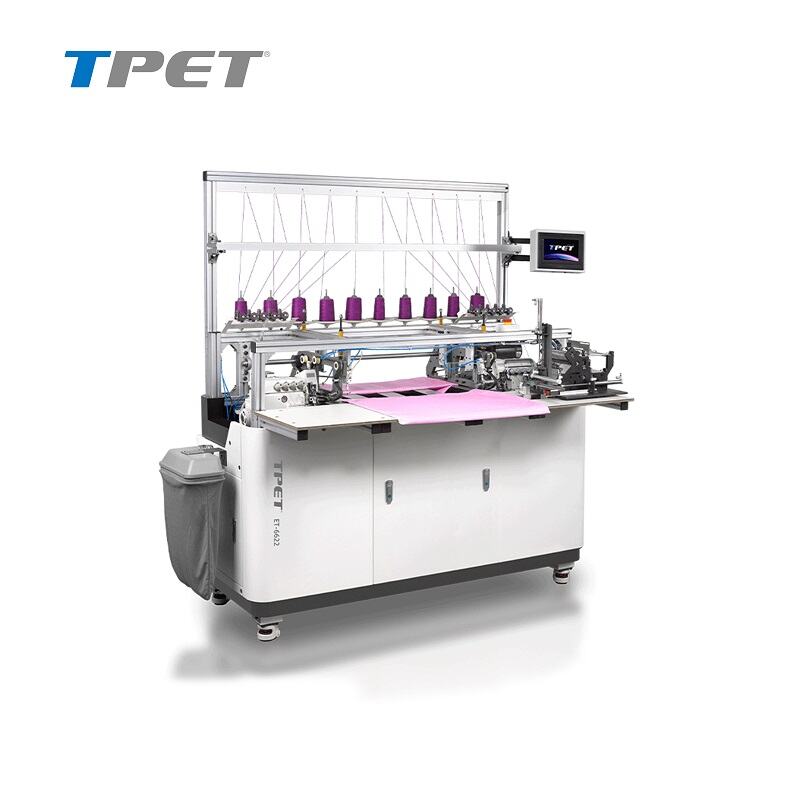
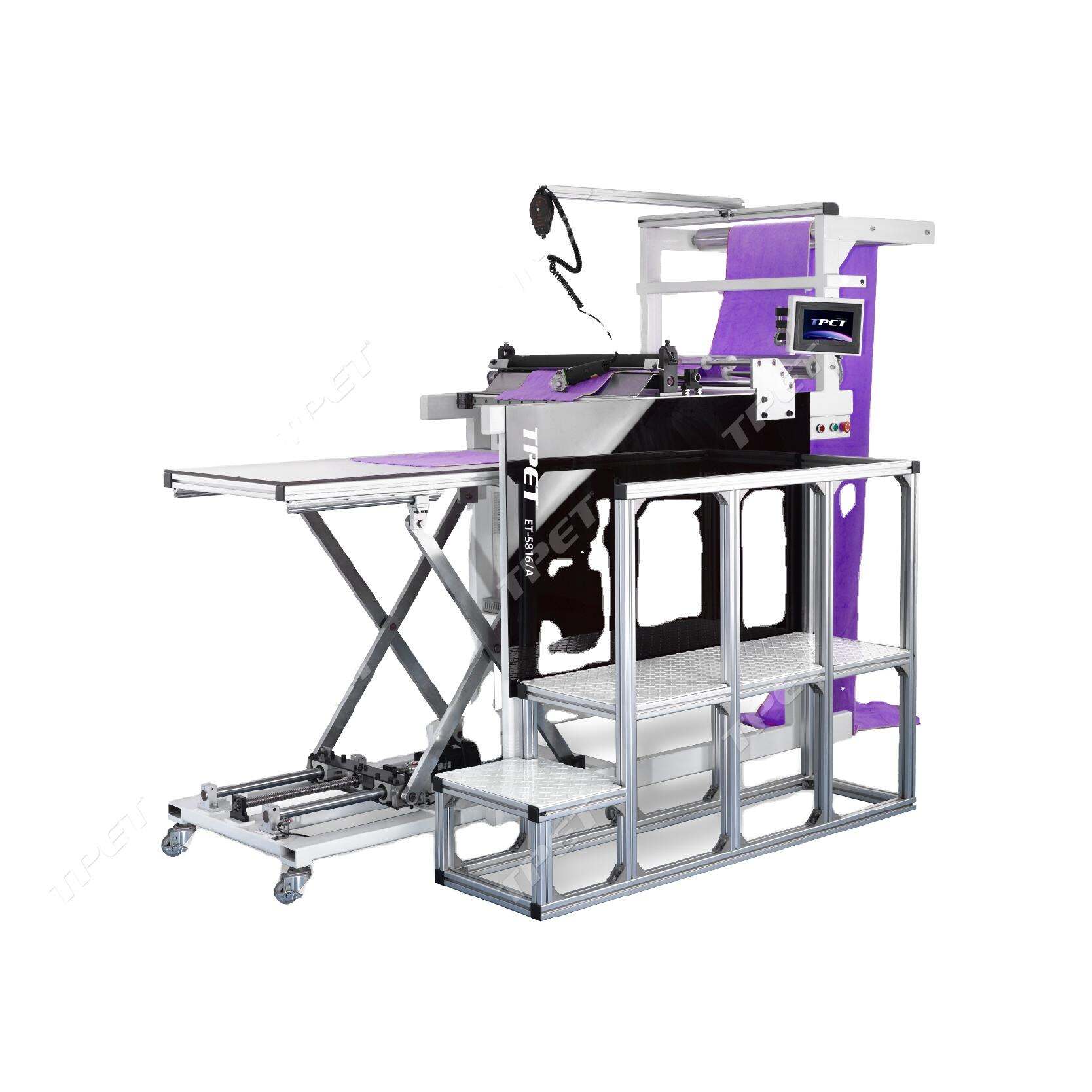
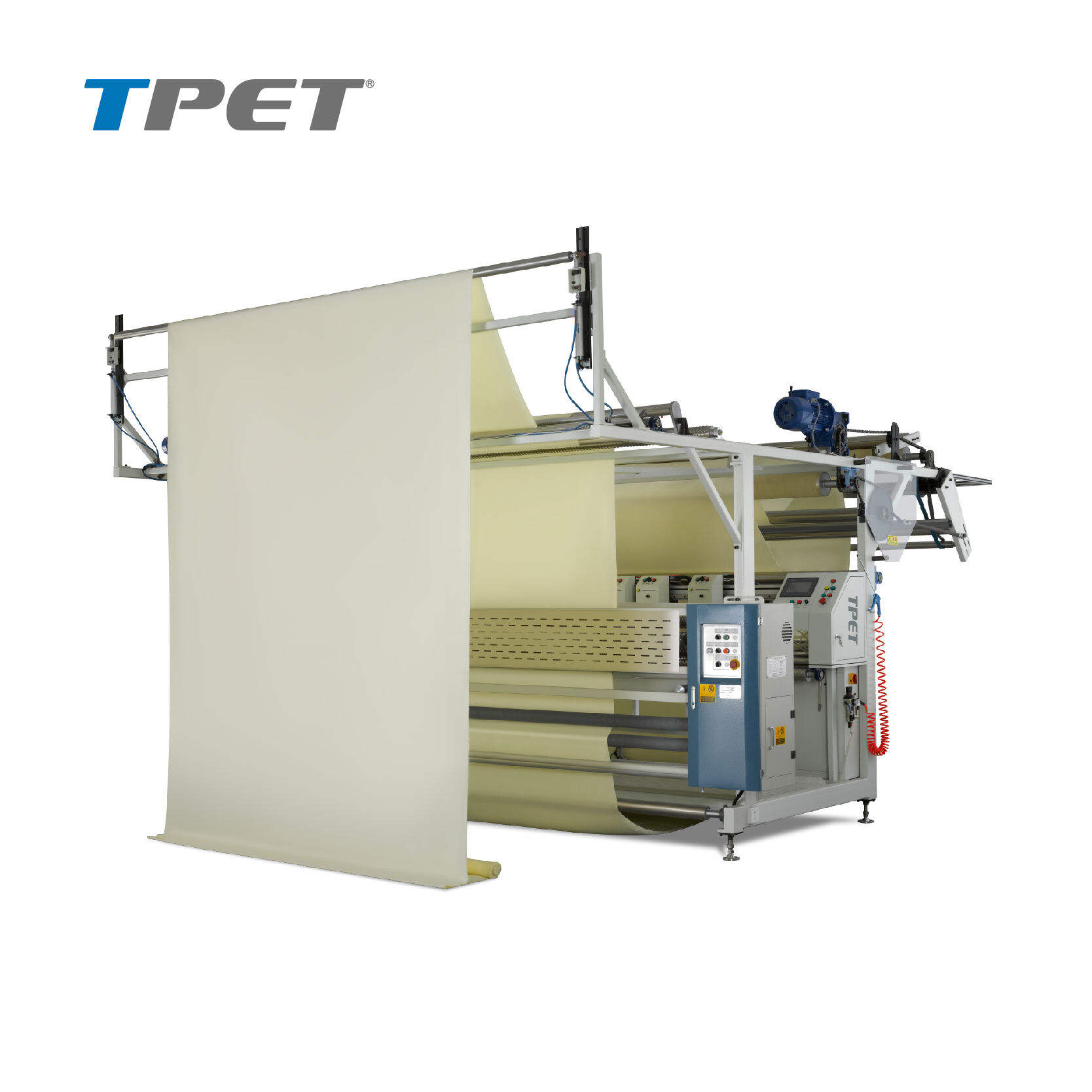
The Non-Woven Slitter is an advanced solution for converting Spunbond, Meltblown & Spunlace materials into narrower pieces by means of high-speed collation of similar materials. It has an adjustable gap between the blades and a variable amount of tension applied to the material as it is being slit so that slitting can take place without damaging the slitting edge of the slit material. The Non-Woven Slitter also provides automatic rewinding of the raw material after slitting; this is accomplished through the use of a) Digital Sensors, b) User-Friendly PLC Control Panel and c) Modular Stations. The modular stations allow for easy set-up, periodic maintenance and quick changeover of modules while maintaining low scrap rates.
Get A Quote

Advantages of Non Woven Slitter

Precision and Consistency

Using the slitter machine, consistent slit widths with precise tolerances are achieved so that batches will differ in their slit widths.

Operational Efficiency

By utilizing quick-change blade cartridges and a modular station design, set up and stop times are minimized, reducing overall product manufacturing time.

Material Savings

By reducing tension and edge control slivers and skew, this provides a more compact roll core, thus increasing the amount of work produced before a reel is filled.

Safety and Reliability

Automatic blade guards, emergency stops, and guarded access points for operator protection during maintenance are all included among the machine's many safety features.

Non Woven Slitter

The Non-Woven Slitter has been specifically developed to deliver a highly dependable product for today's modern converting operations that need to process all types of non-woven materials reliably and effectively. Designed specifically to meet the needs of this modern converting environment, the Non-Woven Slitter utilises heavy-duty components and precision engineering to ensure consistent performance of the slitting process. With a top-of-the-line servo motor driven unwind and rewind system, the Non-Woven Slitter guarantees that all slitting operations are performed using an even level of consistent tension across all rolls.

Additionally, the non-woven slitter features easily adjustable blade gap settings and routine sharpening cycles to maintain clean and even cuts without the presence of fibre pulls or shives. Operators are able to set target width, run speed, and roll count configurations through a user-friendly touch control panel. In addition, operators have access to real-time monitoring via the touch screen as well as additional information related to the quality of cut edges and slit accuracy. 

F&Q About Non Woven Slitter

What types of non-woven materials can the slitter process?

This machine is capable of processing common non-woven fabrics (such as spunbond, meltblown, and spunlace) through the use of adjustable blade gap and material tension controls to provide uniform slit widths and edges, and will not cause excessive shedding of fibers during processing.
Integrated safety features include automatic blade guards, push button emergency stop circuit panels, guarded operator access doors and interlock devices (to prevent opening of doors during blade movement). Soft-start implies minimal shock when the motor is first turned on; audible and visual signals will guide operators to safety. Maintenance access to all machine components will remain separated until all moving components have ceased operation to minimize the risk of contact with rotating elements when performing service and maintenance.Automatic blade guards, emergency stop circuits, covered access doors and interlocks have integrated safety features. Soft start drives provide additional protection from start-up shocks while operators receive visual warnings and audio alerts to help them operate the machine safely. Maintenance access is also isolated to protect technicians from rotating parts, providing a safe service environment.
With the use of quick-change blade cartridges, modular stations, and guided web paths, changeover times are kept to a minimum. Width adjustments and re-threading are targeted to take between 15 and 30 minutes, depending on the width and thickness of the fabric. Operators have the advantage of having pre-set recipes that allow them to set up more quickly.
Correct. The optional online inspection module's ability to evaluate the quality of the strip and edge integrity through the process and share information with PLC and/or MES systems. The tension, speed, and wear trends are displayed on the real-time dashboard to facilitate the scheduling of preventative maintenance and provide traceability for every production lot for quality assurance and auditing purposes.

Get a Free Quote

Our representative will contact you soon.
Email
Name
Company Name
Message
0/1000